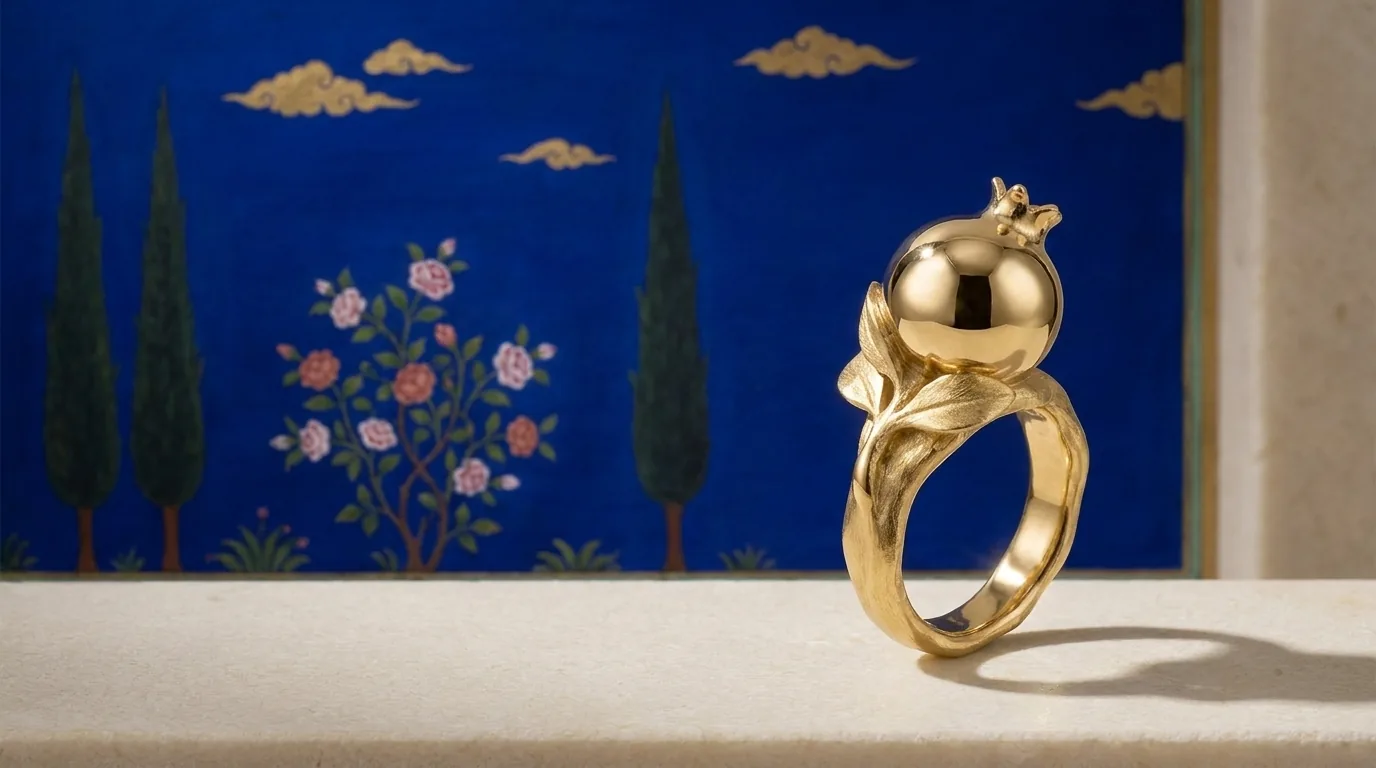
If you have ever searched for how much bespoke jewellery costs in the UK, or custom jewellery, which is the same thing under a plainer name, you have probably found wildly different answers. That is because bespoke pricing is not a single number. It is the sum of several decisions, each one carrying its own cost, and no two commissions arrive at quite the same total.
I have had this conversation more times than I can count, across seven years in new product development at one of Britain’s largest fine jewellery manufacturers before founding Silux London from my Birmingham studio. Here is the honest breakdown of what you are actually paying for.

Why bespoke pricing resists a single number
Asking for a quote without any detail is a little like asking a builder what a house costs. The answer depends on size, materials, complexity, and the hours a piece demands. With bespoke jewellery, you are paying for four things: the materials, metal and gemstone, the labour of designing and making, the complexity of the design itself, and the skill behind it.
The metal, gold, weight, and what carat really means
Nine-carat gold, 37.5 per cent pure, is the lightest option on cost, and its higher alloy content makes it a little more durable, though with less gold in the mix. Eighteen-carat gold, 75 per cent pure, is the standard for fine jewellery: a richer colour, better longevity, and a surer hold on a set stone. The same design in 18ct gold typically costs close to double its 9ct equivalent. Platinum sits above both, denser, naturally white, and hypoallergenic. A platinum ring that looks identical to an 18ct white gold one will weigh noticeably more, and cost more with it.
Gold is priced by weight, and the market rate moves by the day, so any figure quoted here would be out of date within weeks. What matters for your budget is the relationship between weight and design: a delicate band might use four to six grams of 18ct gold, where a substantial signet ring could use fifteen to twenty. That difference alone can separate a few hundred pounds in metal cost from well over a thousand, before a single stone is chosen.
Gemstones, where costs move fastest
Diamonds are priced against the familiar four Cs, cut, colour, clarity, and carat, but cut is the one that matters most for how a stone actually looks. A half-carat diamond can run from £800 to £3,000 or more depending on quality; a one-carat stone spans roughly £2,500 to £10,000 and beyond.
If you want a diamond to sparkle, invest in the cut first. You can drop slightly in colour and clarity without the difference showing to the naked eye, but a poorly cut diamond will always look dull, whatever else is spent on it.
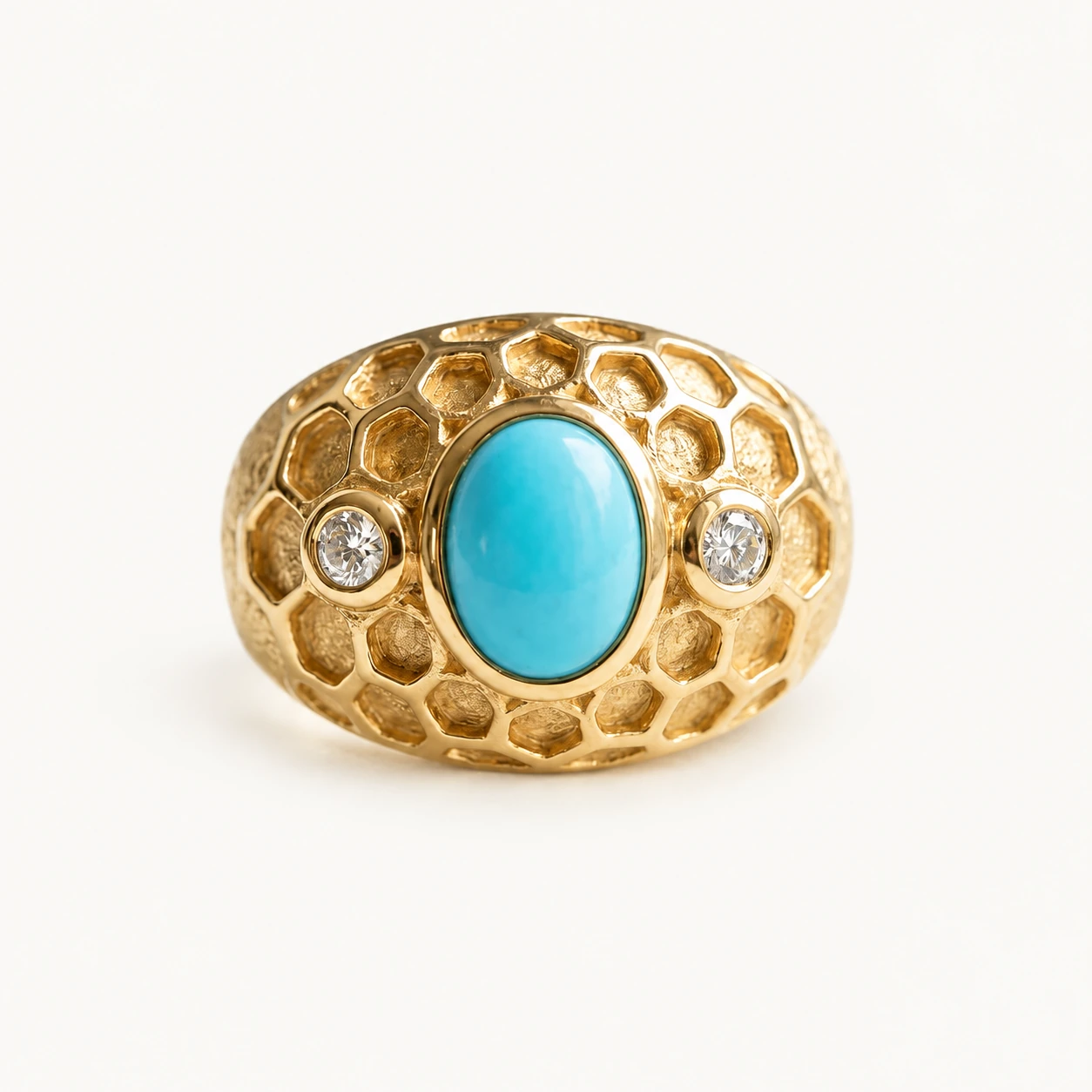
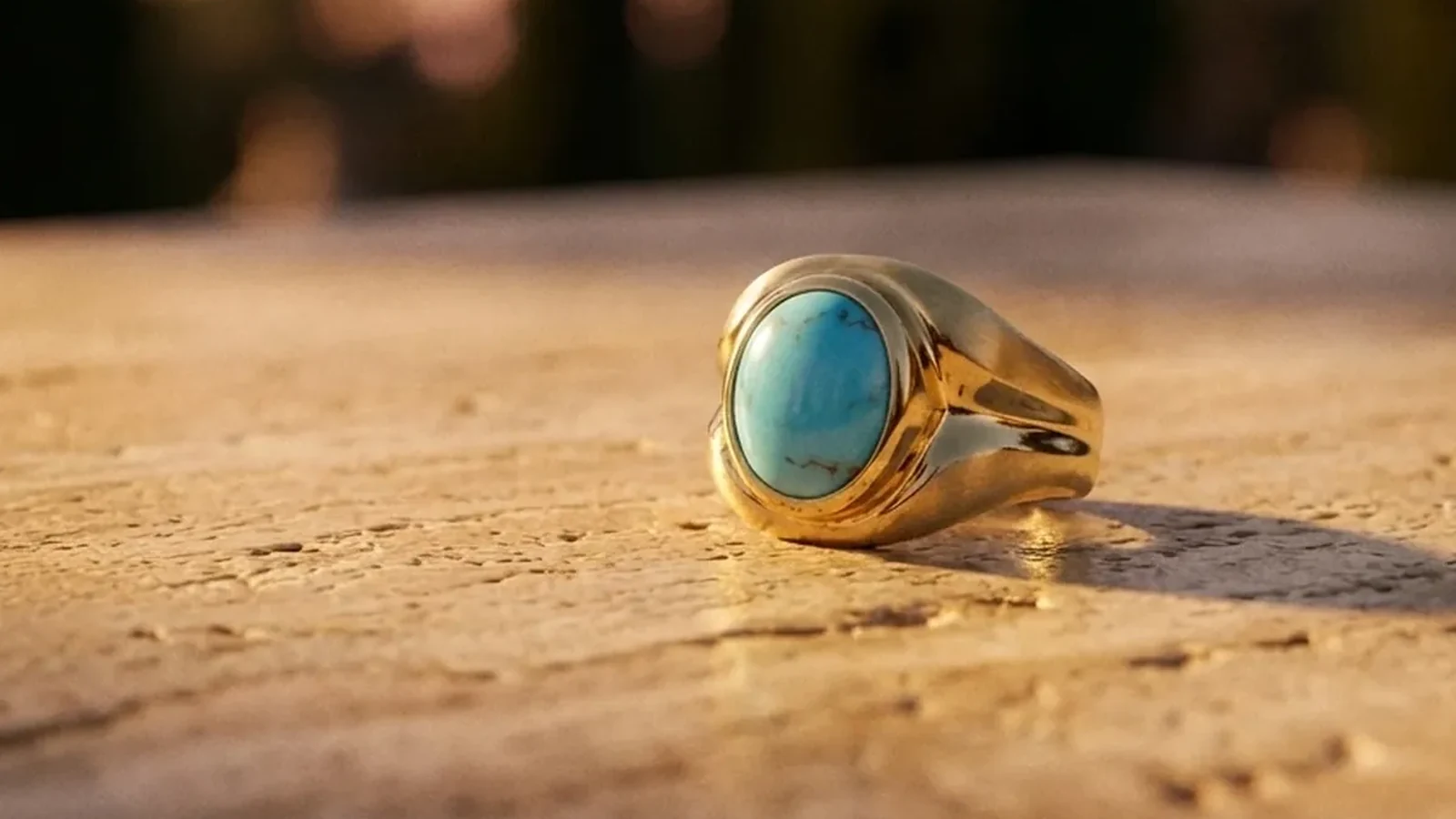
Coloured stones tend to offer better value, and are far more personal. Persian turquoise, the signature stone of the Firouzeh collection, is sourced from Neyshabur and priced across a wide range depending on grade and origin, a striking alternative to the diamonds and sapphires that dominate most bridal budgets.
What a bespoke 18ct gold engagement ring actually costs
Labour scales with complexity. A simple engraved band might take six to ten hours from consultation through to hallmarking. A complex engagement ring, a halo setting, pavé diamonds, detailed gallery work beneath the stone, can run to twenty or thirty hours. A statement pendant with hand-fabricated elements and several stone settings can take forty to sixty.
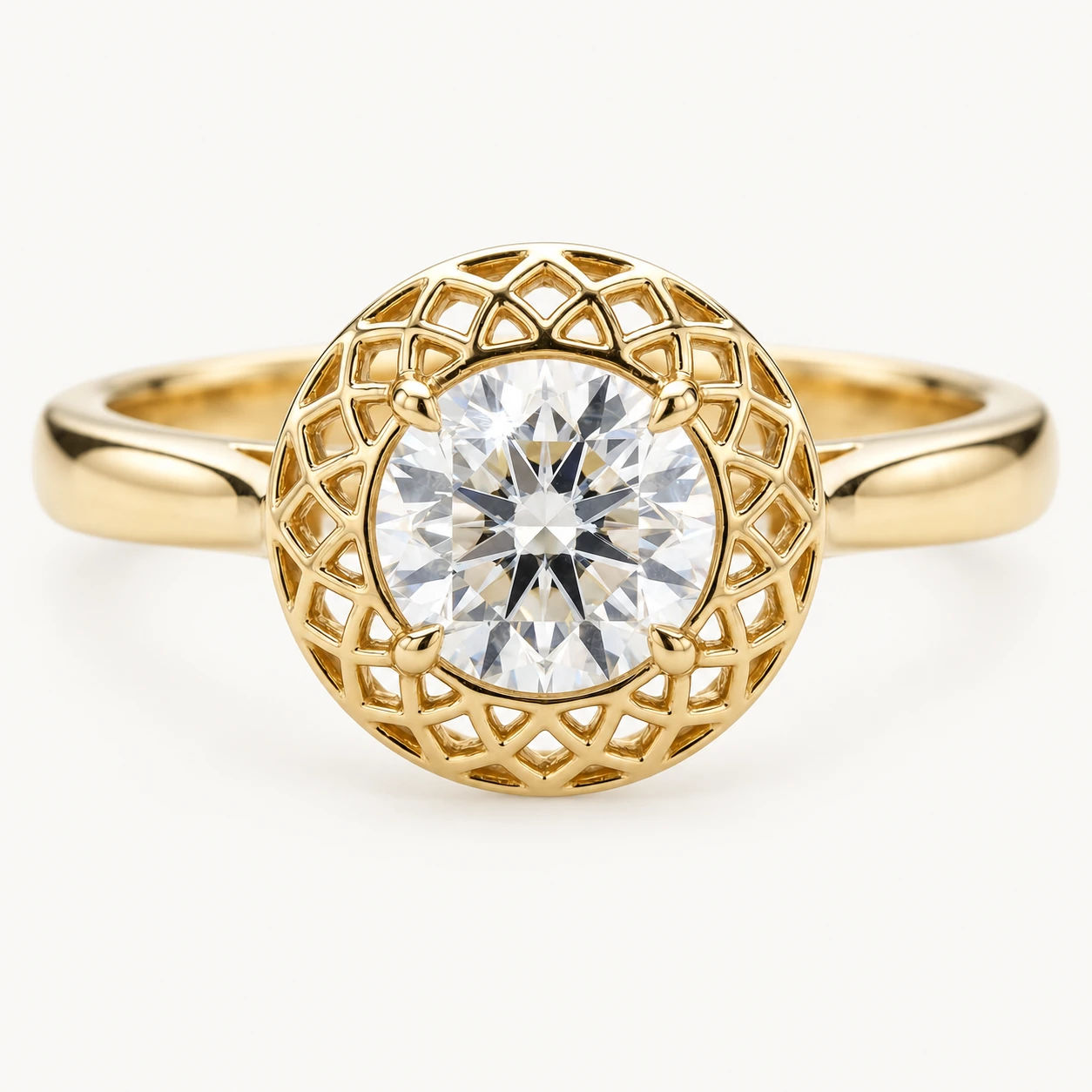
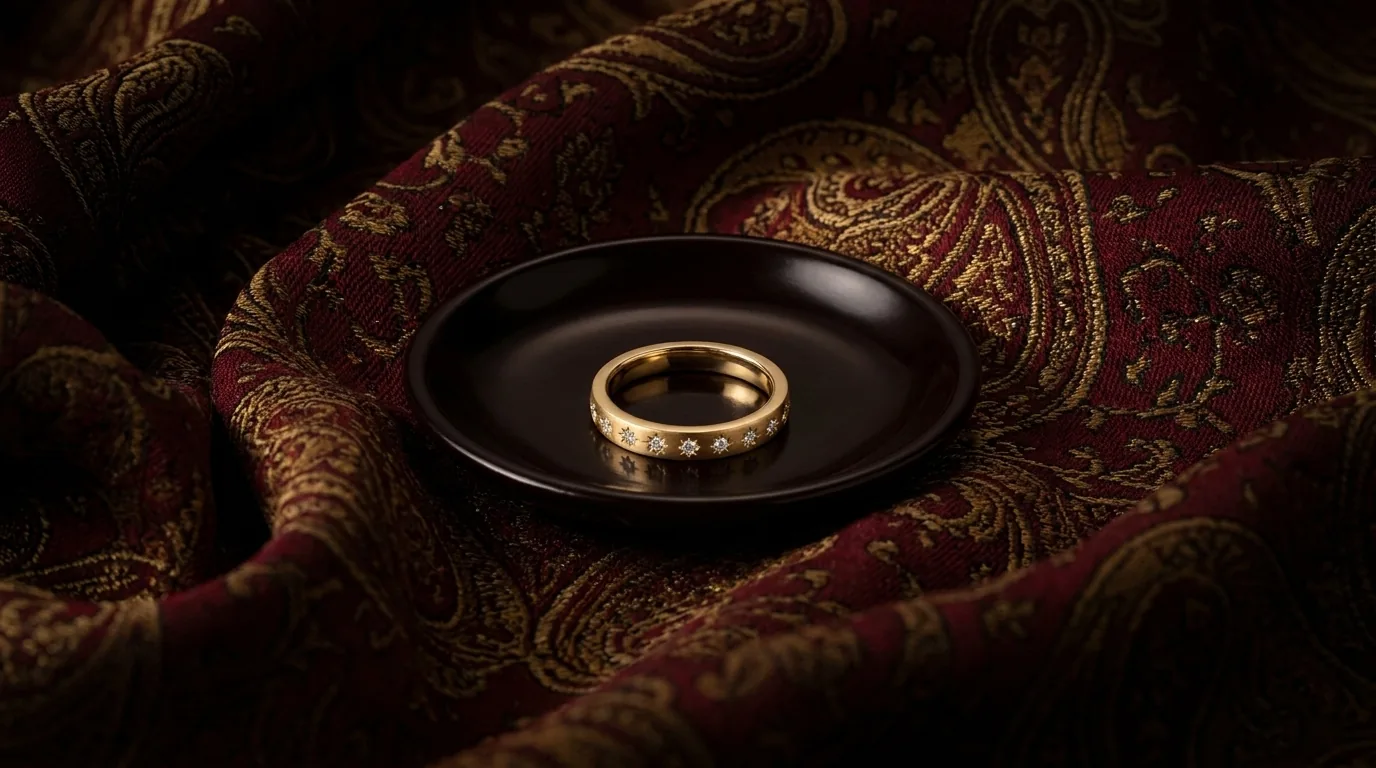
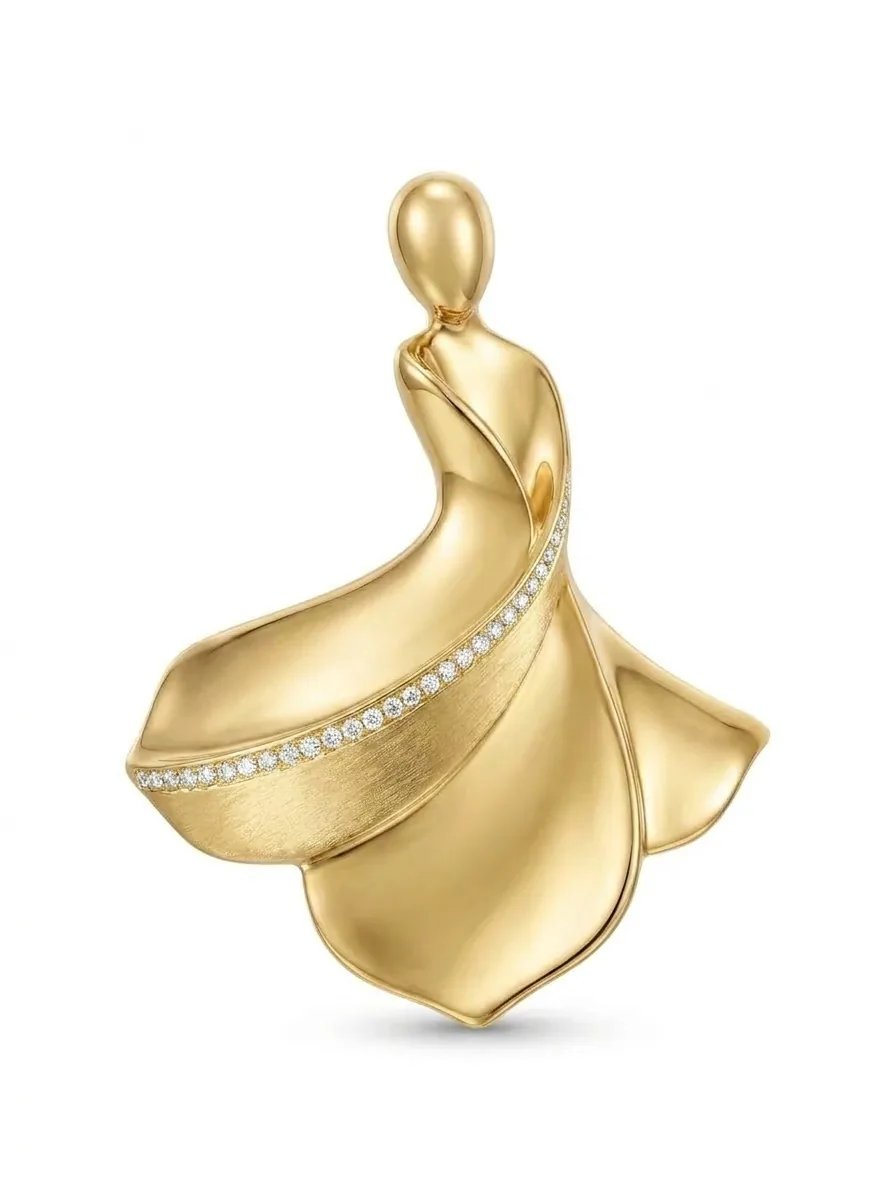
Commissions tend to fall into recognisable bands. A simple personalised band in 9ct gold, lightly engraved, sits around the £800 to £1,500 mark. A classic engagement ring in 18ct gold with a modest centre diamond runs from roughly £2,000 to £3,500. Move to a halo setting with a larger centre stone and pavé detailing, and the range lifts to £3,500 to £5,000 or beyond. A bespoke pendant with multiple stones typically falls between £1,500 and £3,000, and a fully realised statement piece, in 18ct gold or platinum with high-quality stones and an intricate design, can run from £3,000 to £8,000 or more.
There are costs beyond the piece itself worth asking about upfront: hallmarking, a legal requirement for UK precious metals, runs to £30 to £80. A written insurance valuation is typically £50 to £150. Presentation, ring boxes and pouches, adds £20 to £100, and delivery with appropriate insurance another £15 to £30. I include two to three rounds of design revision and one resize as standard, so ask what any workshop includes before comparing quotes.
What bespoke buys you that the high street cannot
A ring bought from a major jewellery brand carries retail rent, marketing spend, and several stages of markup layered into its price, often close to three times the actual cost of materials and labour. Commission bespoke from an independent studio and you pay for the metal, the making, and a fair margin. Nothing else. In return you get exactly what you asked for, not close, not it will do, exactly right.
Commissions range from a few hundred pounds for a first, simple gift to several thousand for a statement bridal piece, each one designed for the specific person who will wear it, made only once it is ordered, and hallmarked where the Hallmarking Act 1973 requires it before it is dispatched. If you would like an honest estimate for your own piece, a conversation costs nothing to begin, and it usually tells you more than any price list could.