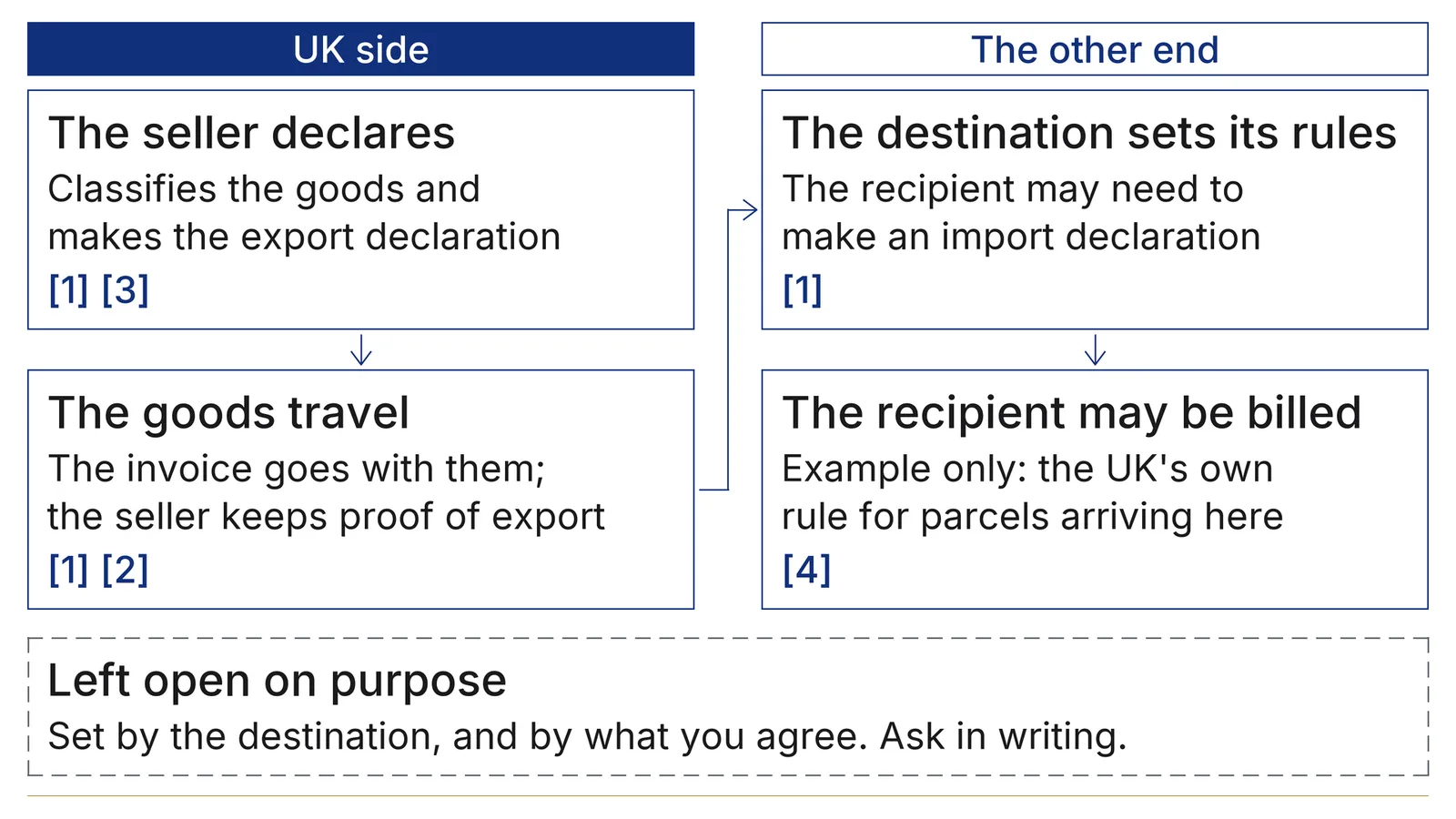
Can a UK jeweller ship a ring to the US? Who pays duty?
A UK seller exports a ring with an export declaration. The destination sets its own import rules. What to ask for in writing before you pay.
Read the storyThe Journal
Considered guidance on choosing, wearing, and caring for fine jewellery.
A UK seller exports a ring with an export declaration. The destination sets its own import rules. What to ask for in writing before you pay.
Read the story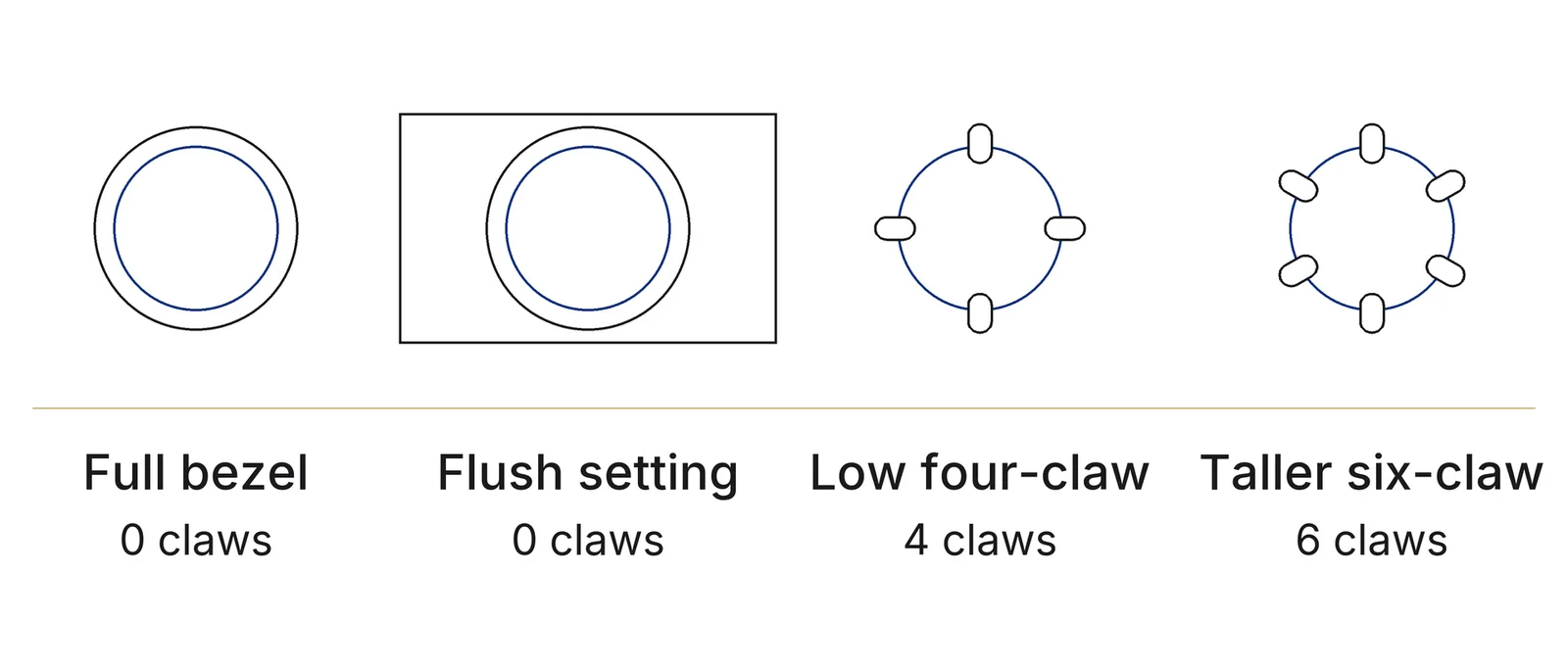
A no-fuss ring has few parts to catch, loosen or check. A short checklist: setting, band, hallmark and what to ask the jeweller.
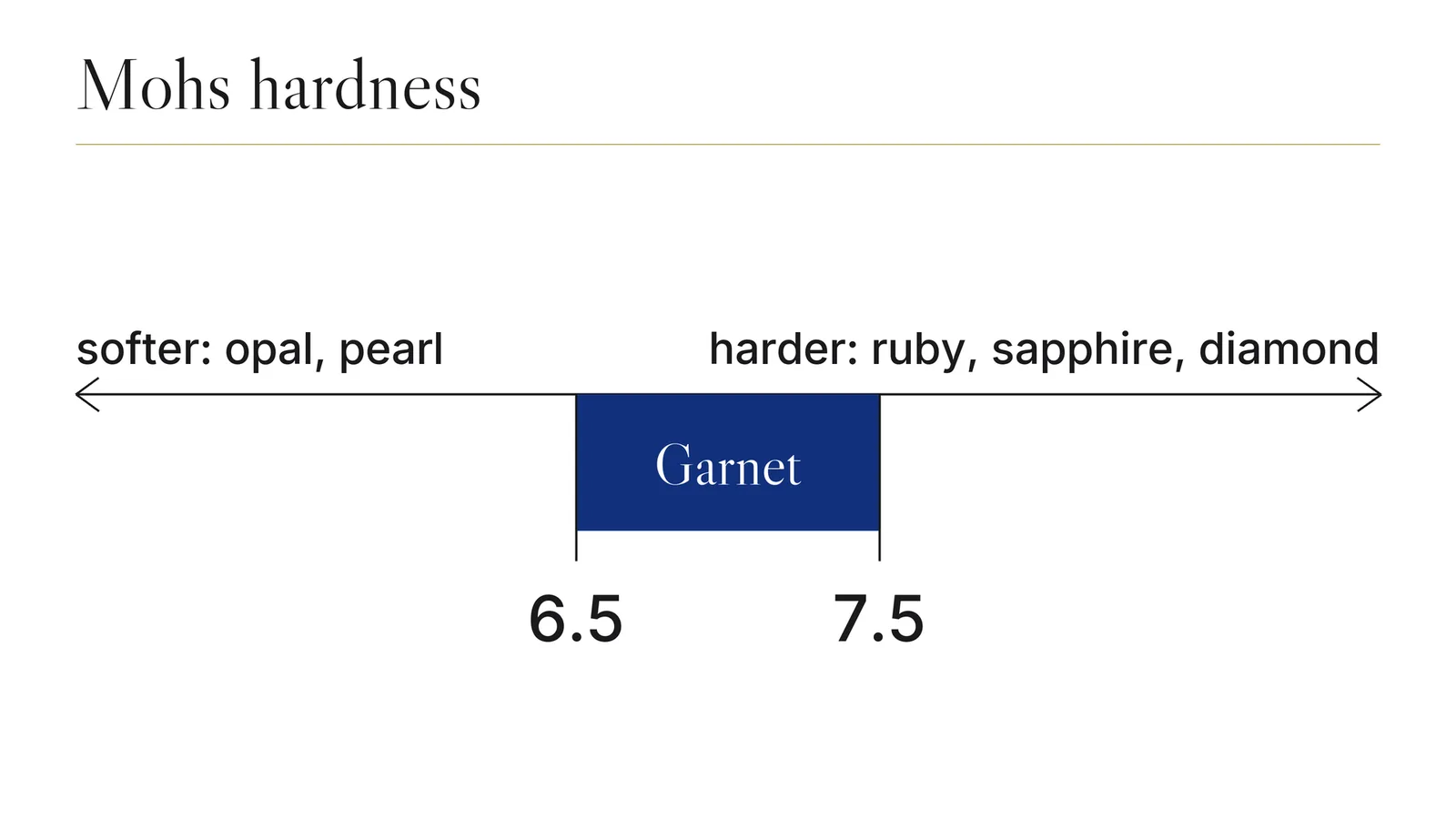
The January birthstone is garnet, a group of minerals with a hardness of 6.5 to 7.5. GIA says not every garnet suits daily wear.
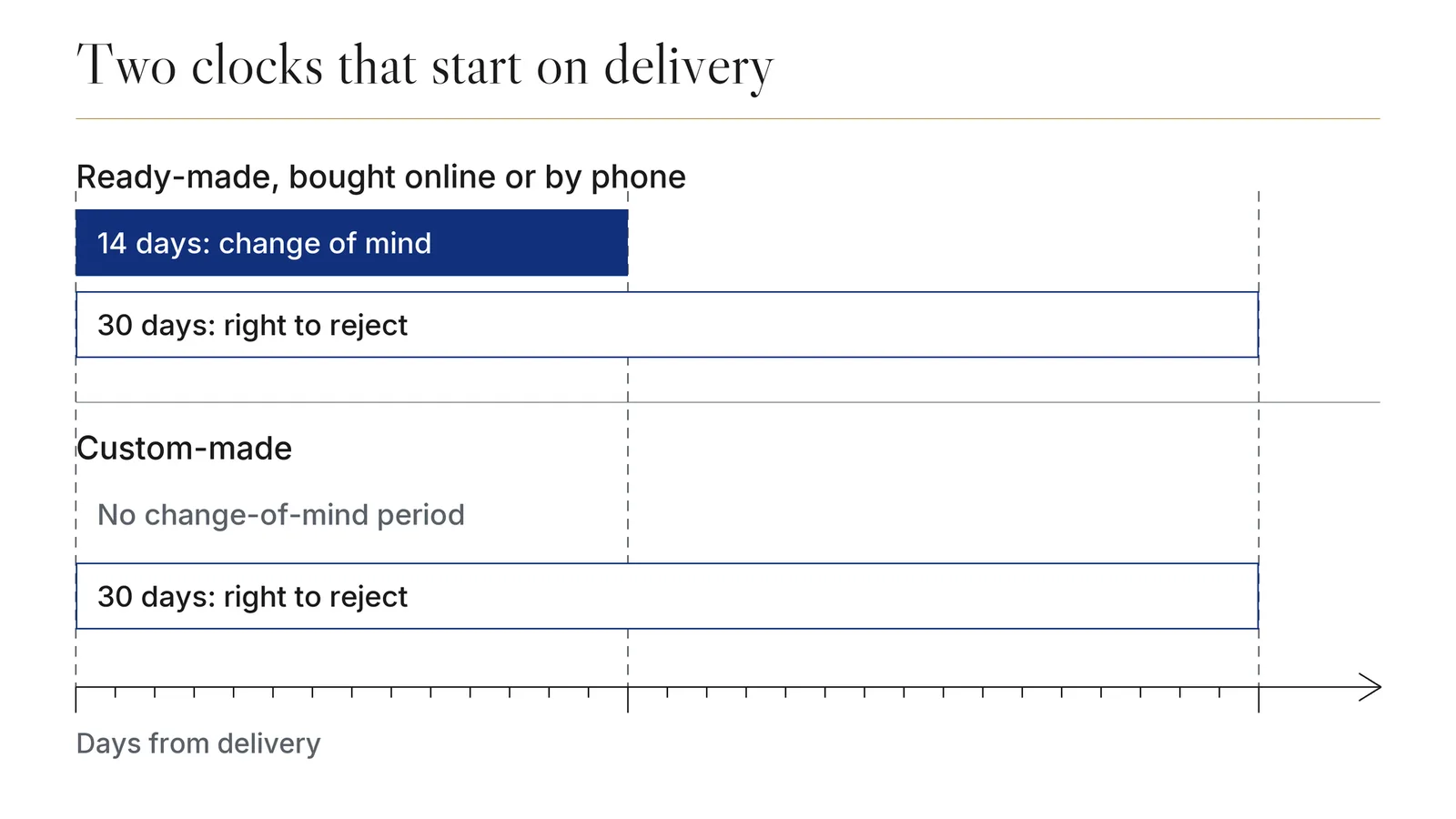
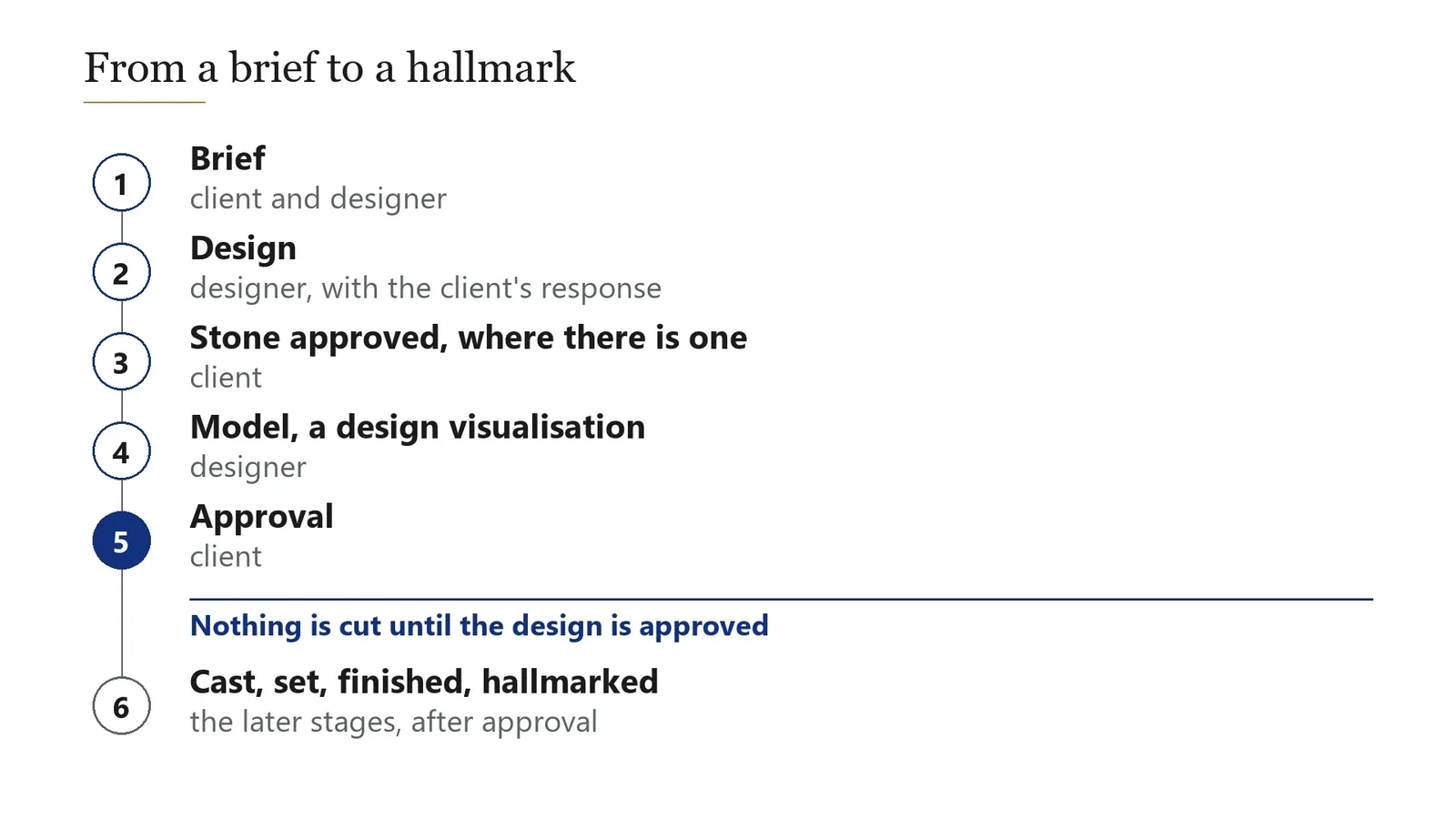
Bespoke is approved as a design before anything is cut; ready-made is fixed as shown. One legal right differs. Fault rights and the hallmark do not.
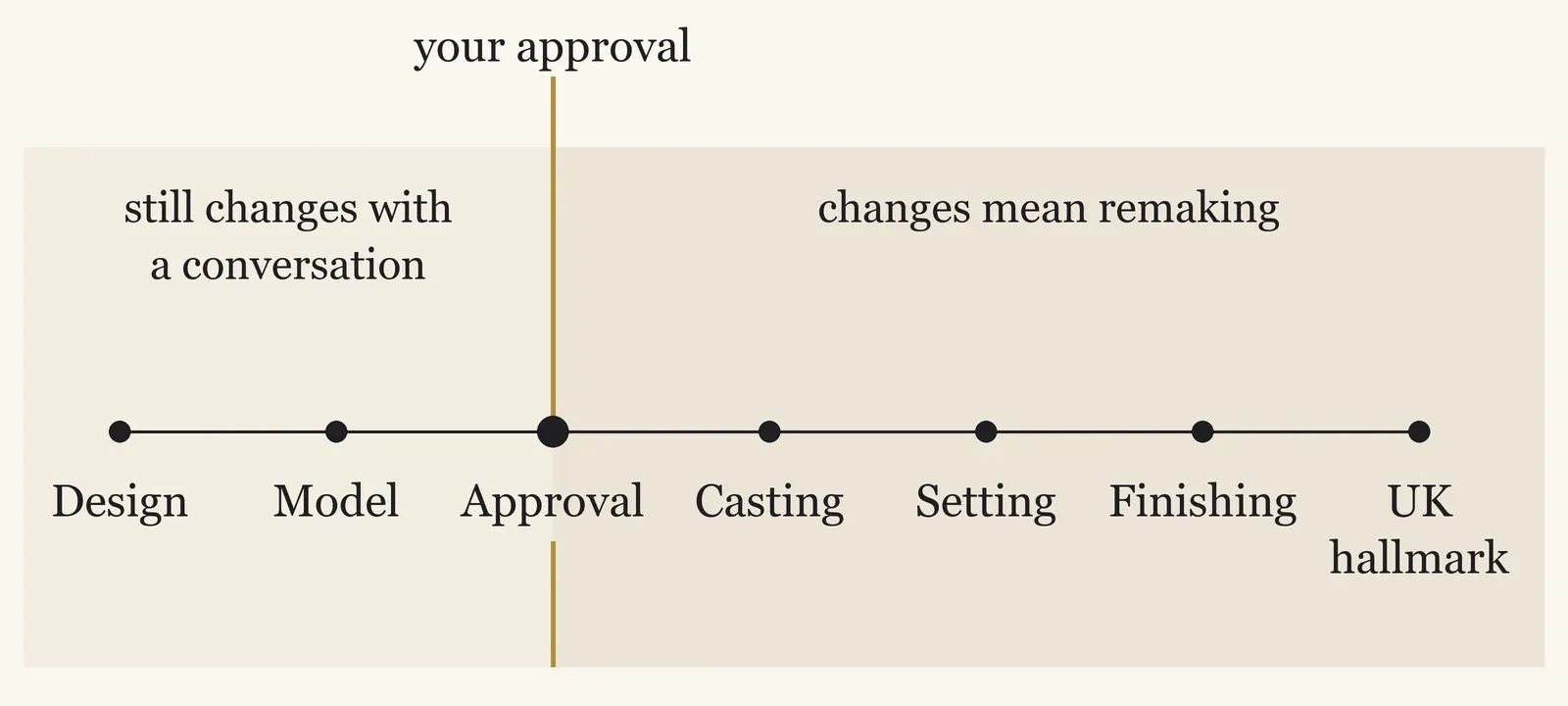
Design an engagement ring in the order each choice limits the next: how it is worn, the stone, the setting, the metal, then a design you approve first.
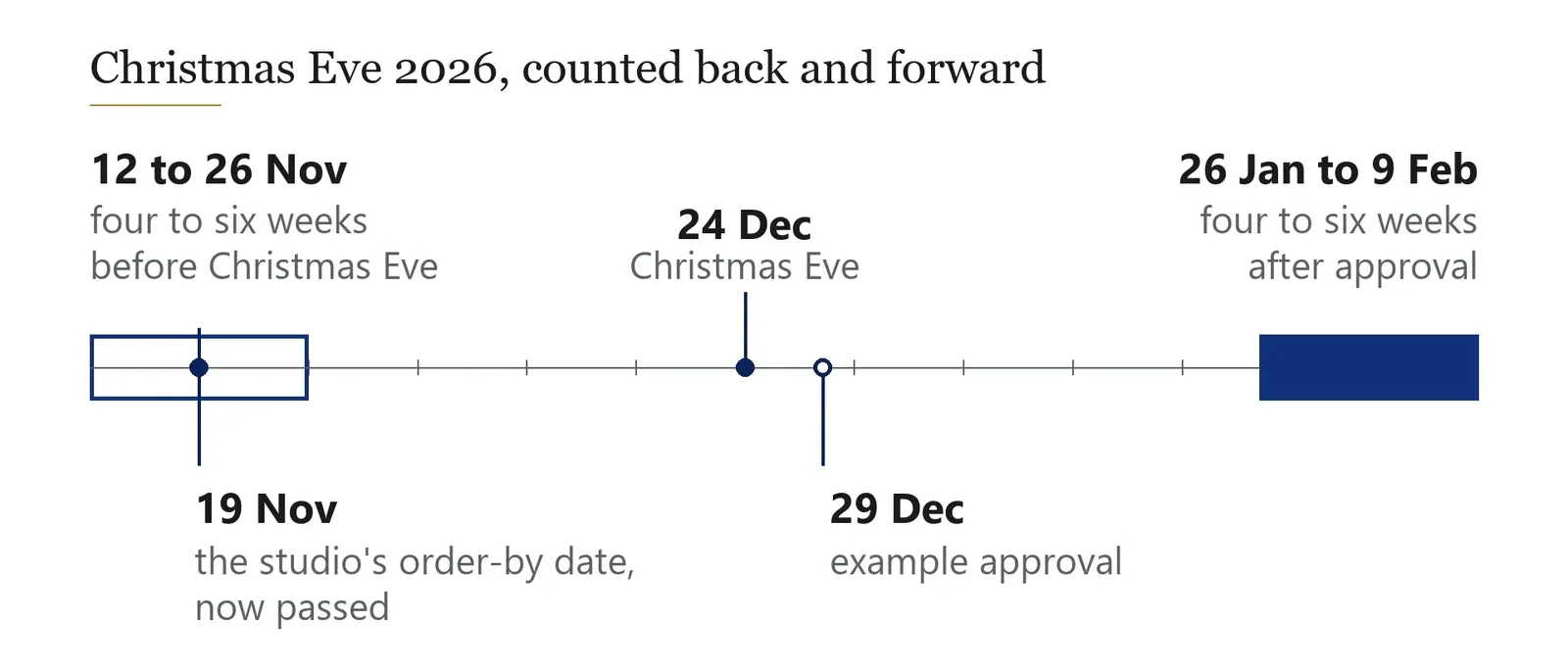
The Christmas order-by date has passed. Propose with the design in hand and let the ring follow, four to six weeks after the design is approved.
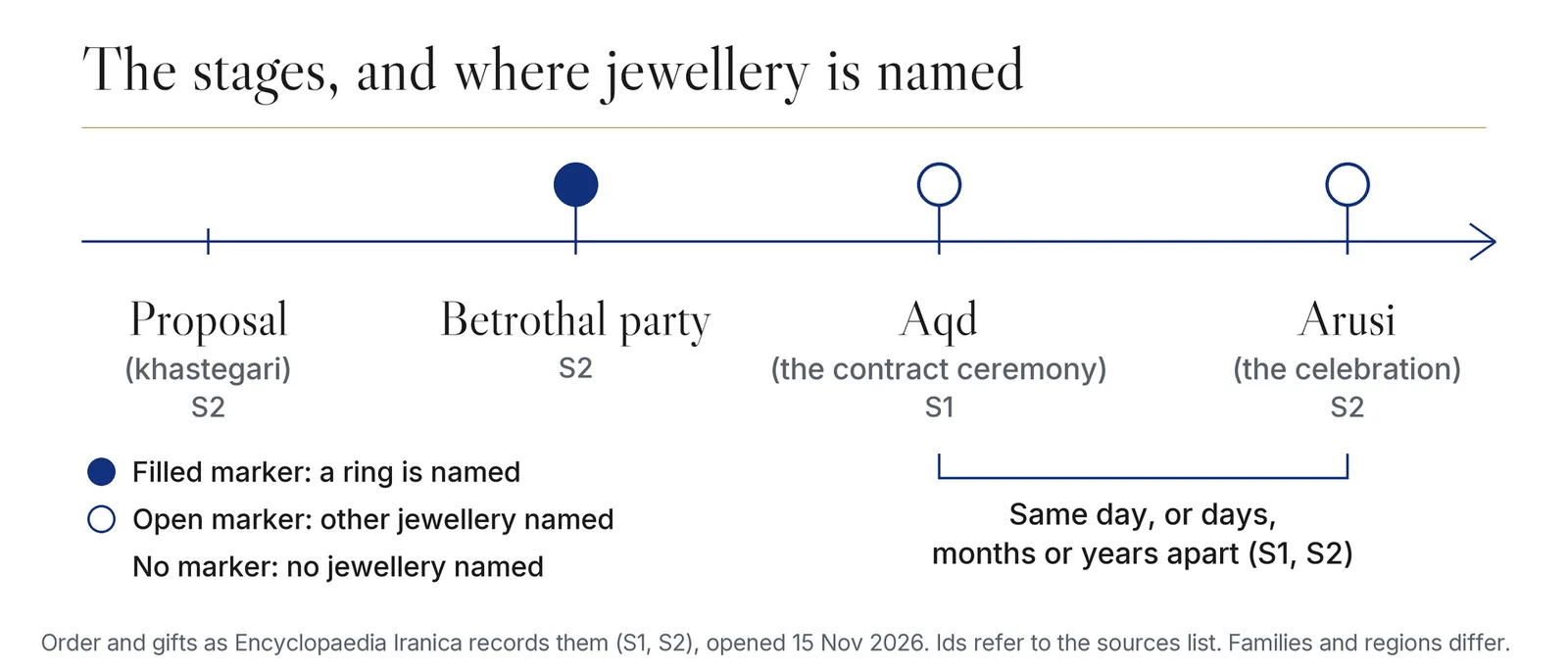
The stages of a Persian wedding in the order Encyclopaedia Iranica gives them, and the three points where it names a ring or other jewellery.
Bespoke means designed from nothing for one person. How it differs from made to order, custom and personalised, and what to ask a designer.
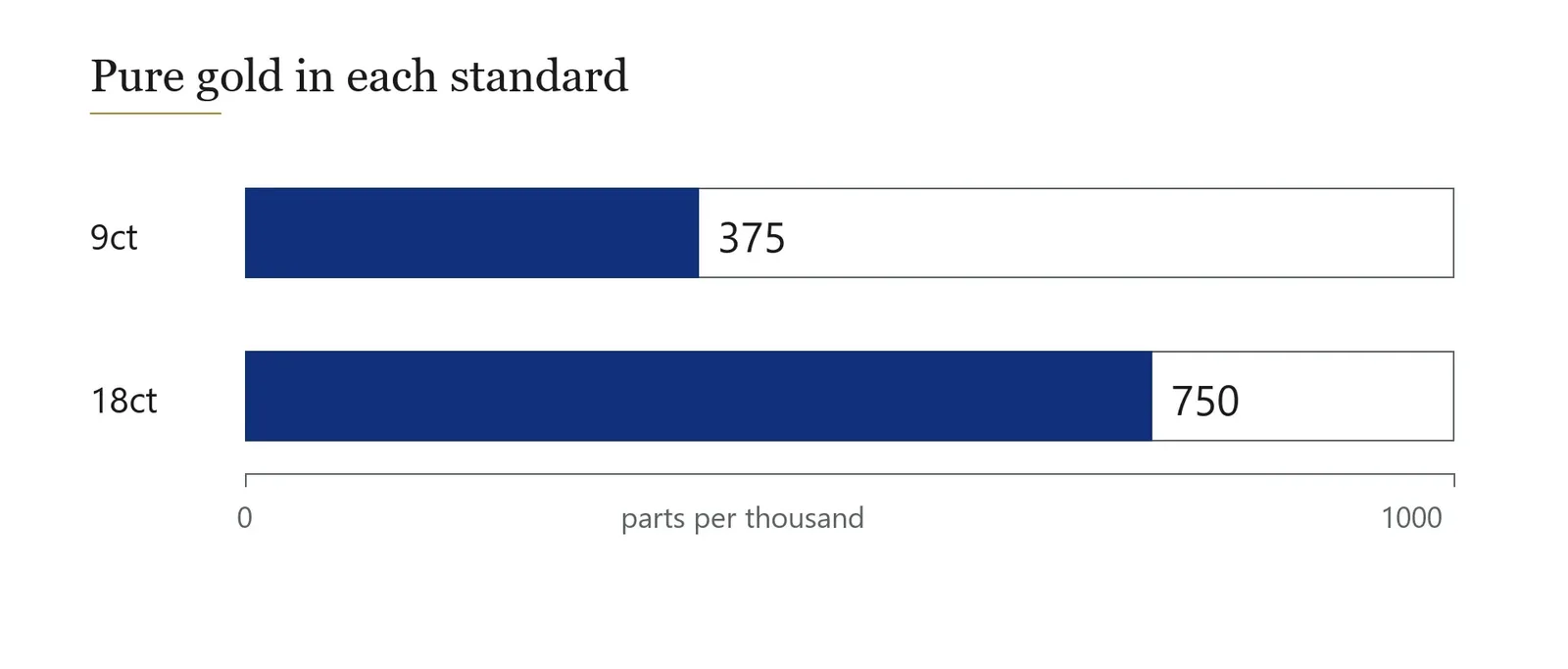
9ct is 375 parts per thousand gold and 18ct is 750. The Act and the standard mark state that much. The rest is a choice to make with a designer.
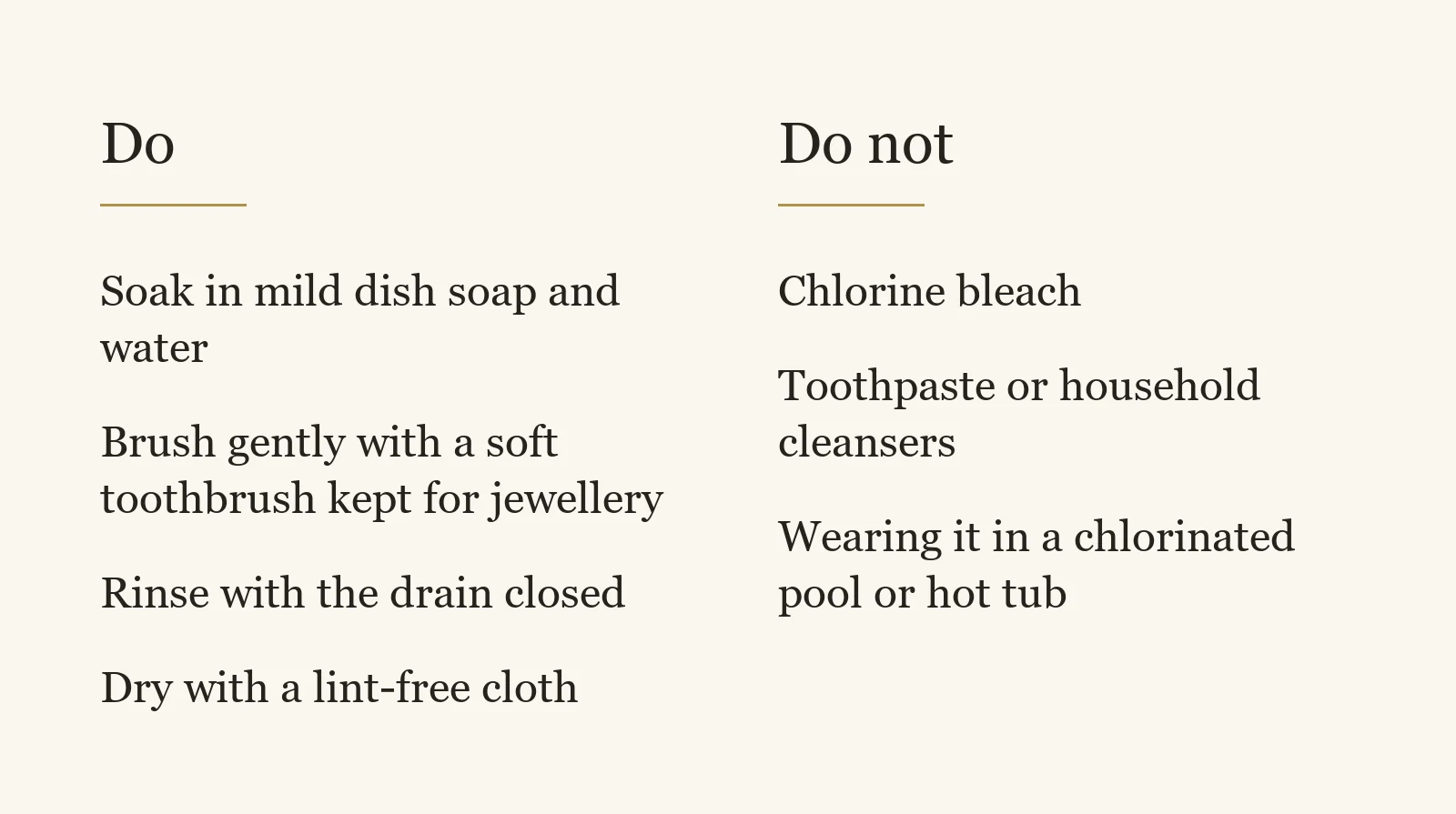
Soak in mild soapy water, brush gently, rinse with the drain closed and dry with a lint-free cloth. Here is what to avoid, and when to ask a jeweller.
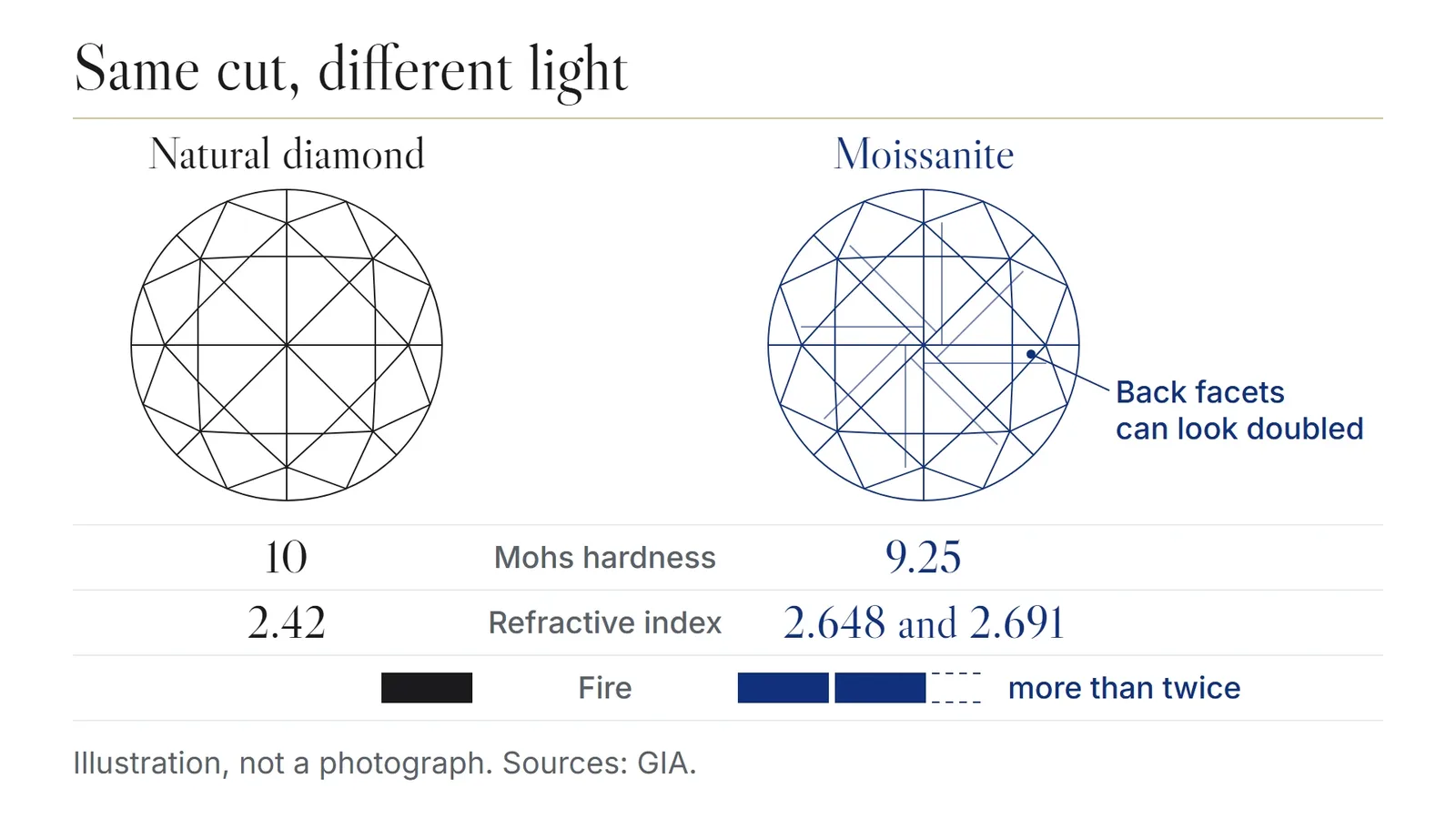
Moissanite, natural diamond and laboratory-grown diamond compared for an engagement ring: hardness, fire and paperwork, with a drawing and GIA's figures.
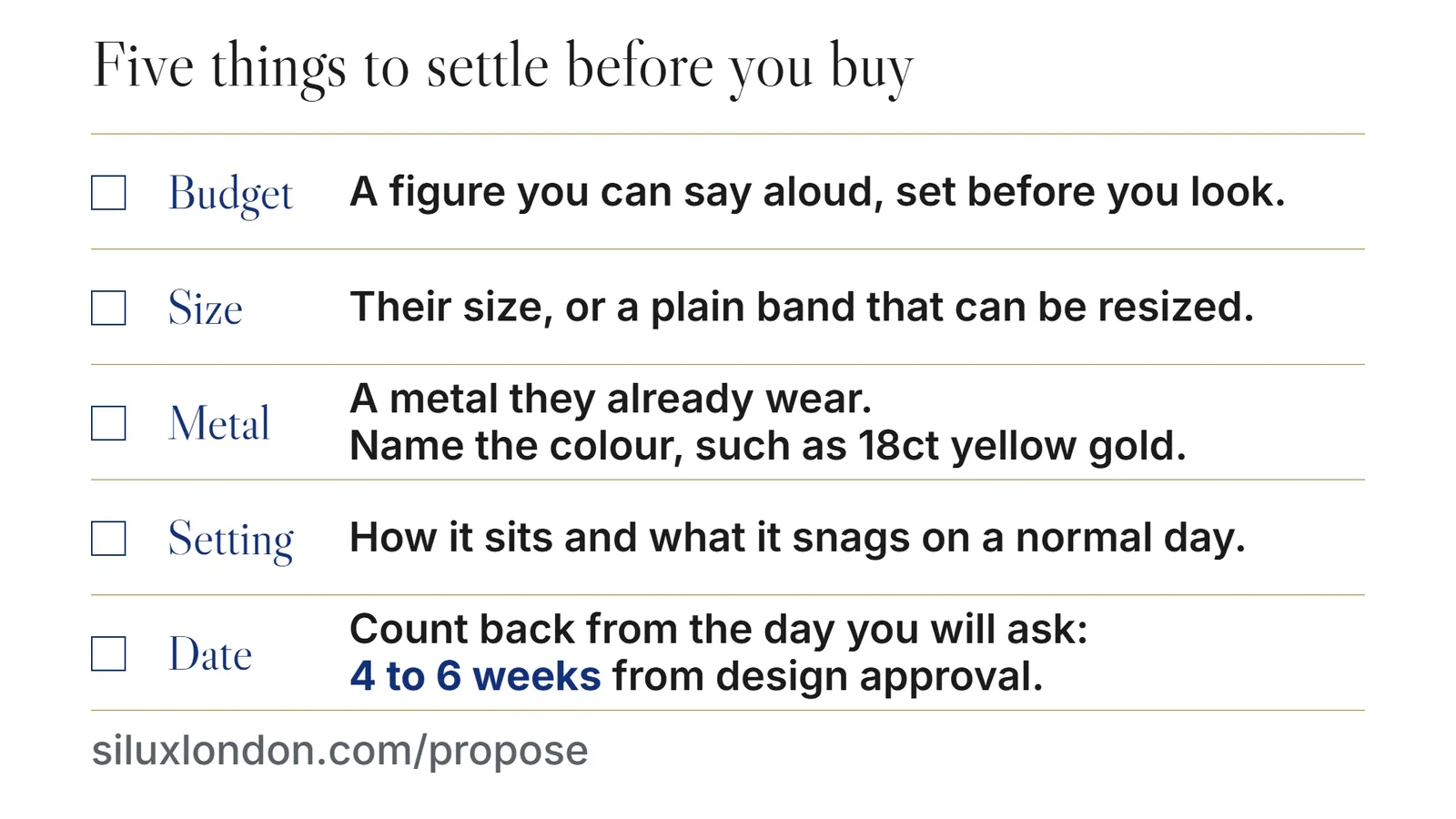
A good proposal ring fits, suits daily wear and is ready on the day. Five things to settle first: budget, size, metal, setting and the date.
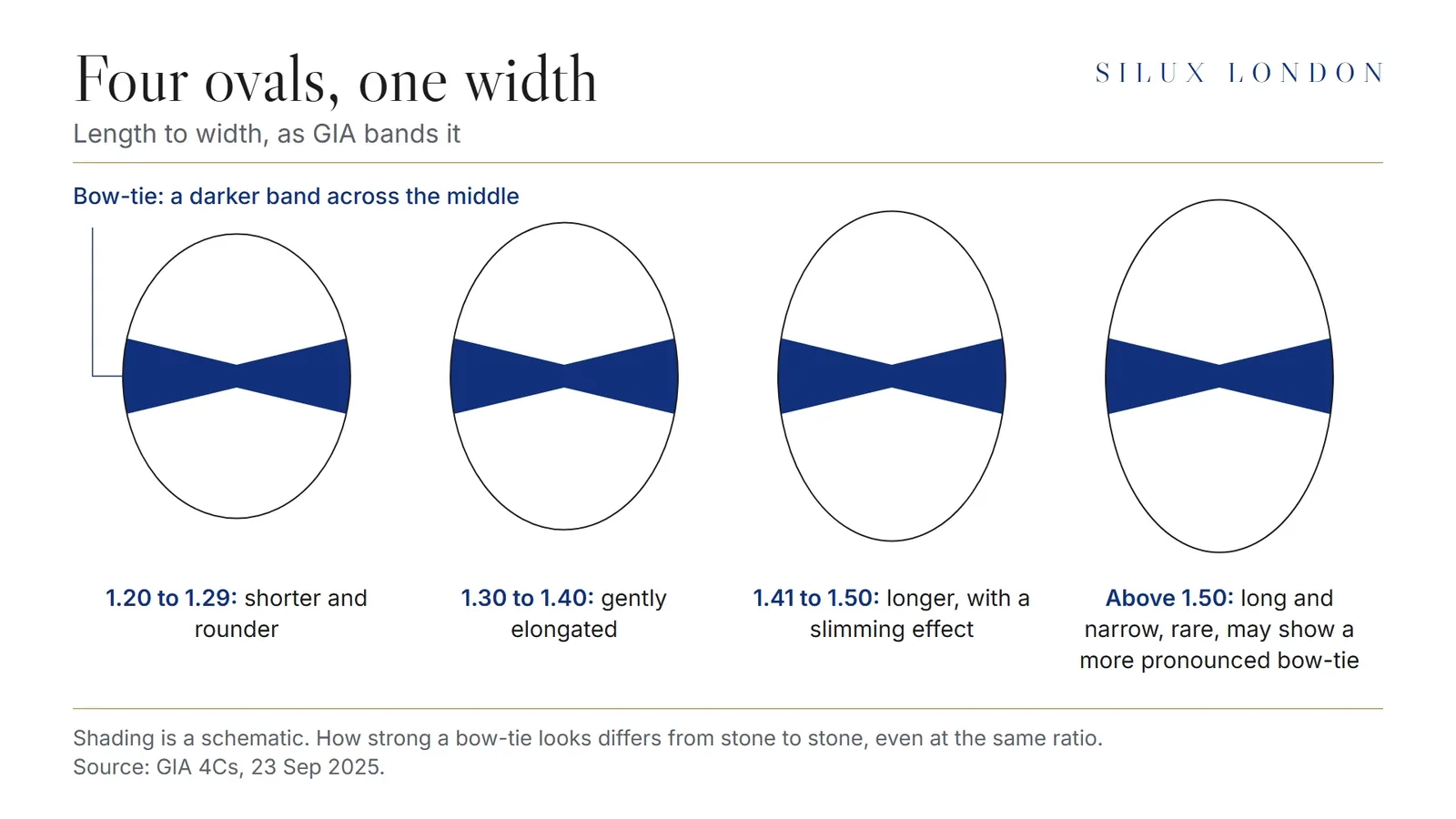
What the bow-tie on an oval is, why every oval shows some, how to judge a stone by eye, and what is and is not known about settings.
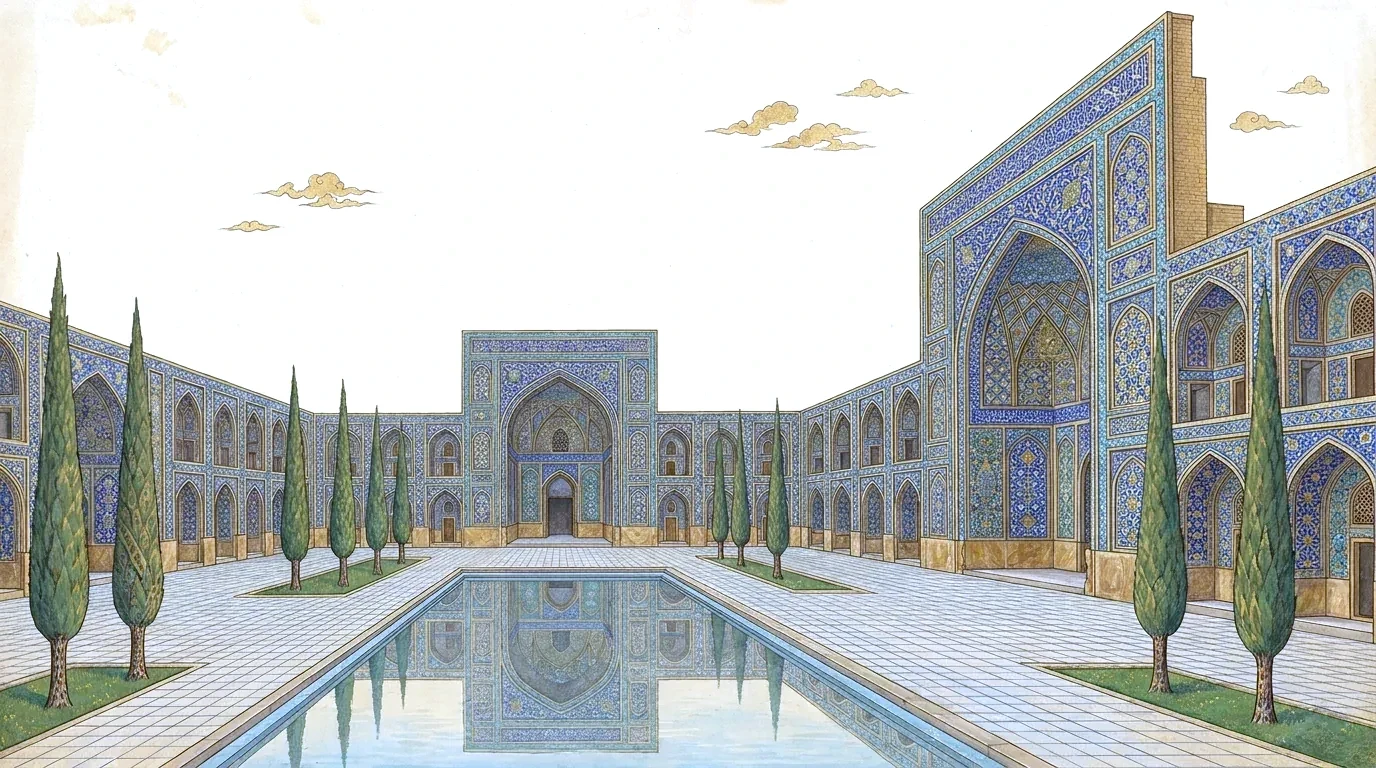
Persian and Islamic geometric pattern are not interchangeable terms. Here is the distinction, and why we use the narrower one.
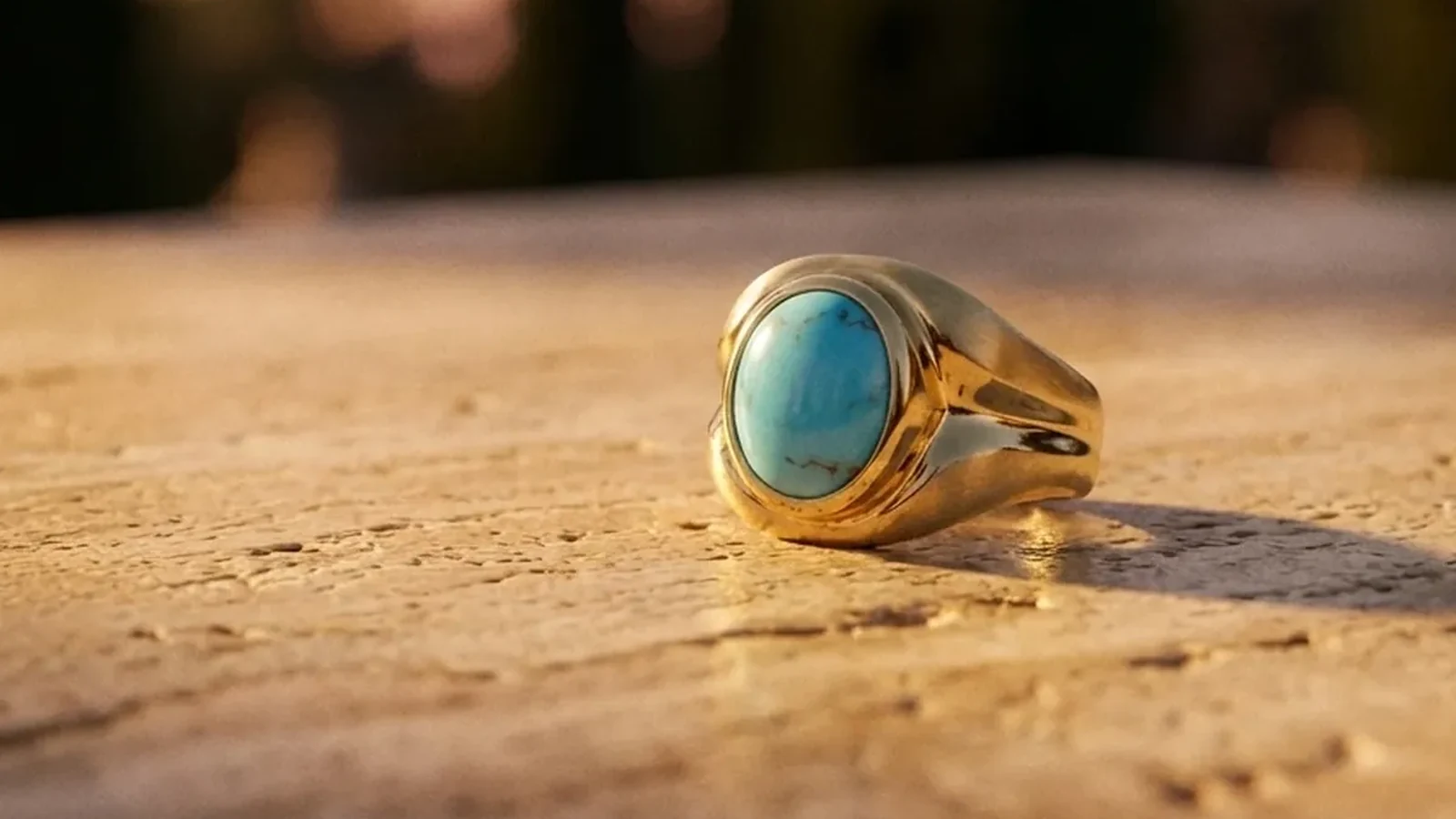
Why turquoise from north-eastern Iran carries its own name in the trade, what the matrix tells you, and what a soft stone asks of its setting.
A jeweller resizes by cutting the shank where it is plain, which explains why eternity bands, all-round pave and tension settings resist it.
Together or a surprise is really three separate decisions: who chooses the design, what she knows, and when the proposal happens.
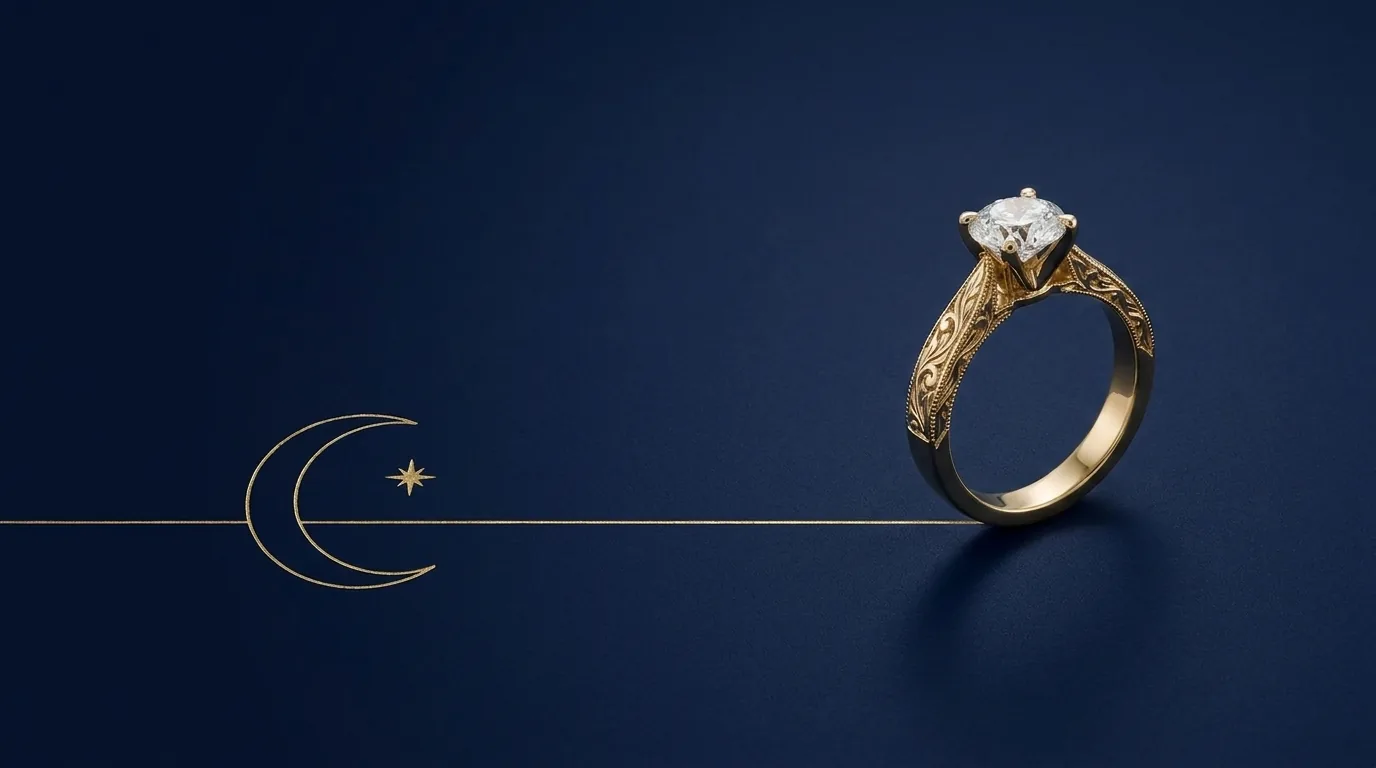
What each engagement ring setting means for snagging, cleaning and repair years later, and why a claw can only ever be made so fine.
The month's-salary rule began as a 1930s diamond advertisement, not a tradition. Here is what should actually decide your figure instead.
The gap between approving a picture and receiving a ring, and the four questions that close it before anything is cast.
What daily wear actually does to a ring, the one habit that matters most, and what is worth knowing before wearing one for years.
You cannot simply ask, so here is how to find her ring size anyway, which methods are reliable, and what to do when it stays unknowable.
What a ring price is actually made of, and the one question that tells you more than an itemised breakdown ever could.
A lab-grown diamond is a diamond, not a substitute. What is identical, what actually differs, and what nobody can honestly promise you.
Purity, alloys, rhodium plating, and the durability question nobody has settled. What to actually weigh up before choosing a metal.
Hallmark, grading report and insurance valuation answer three different questions, from three different issuers. Here is how to tell them apart.
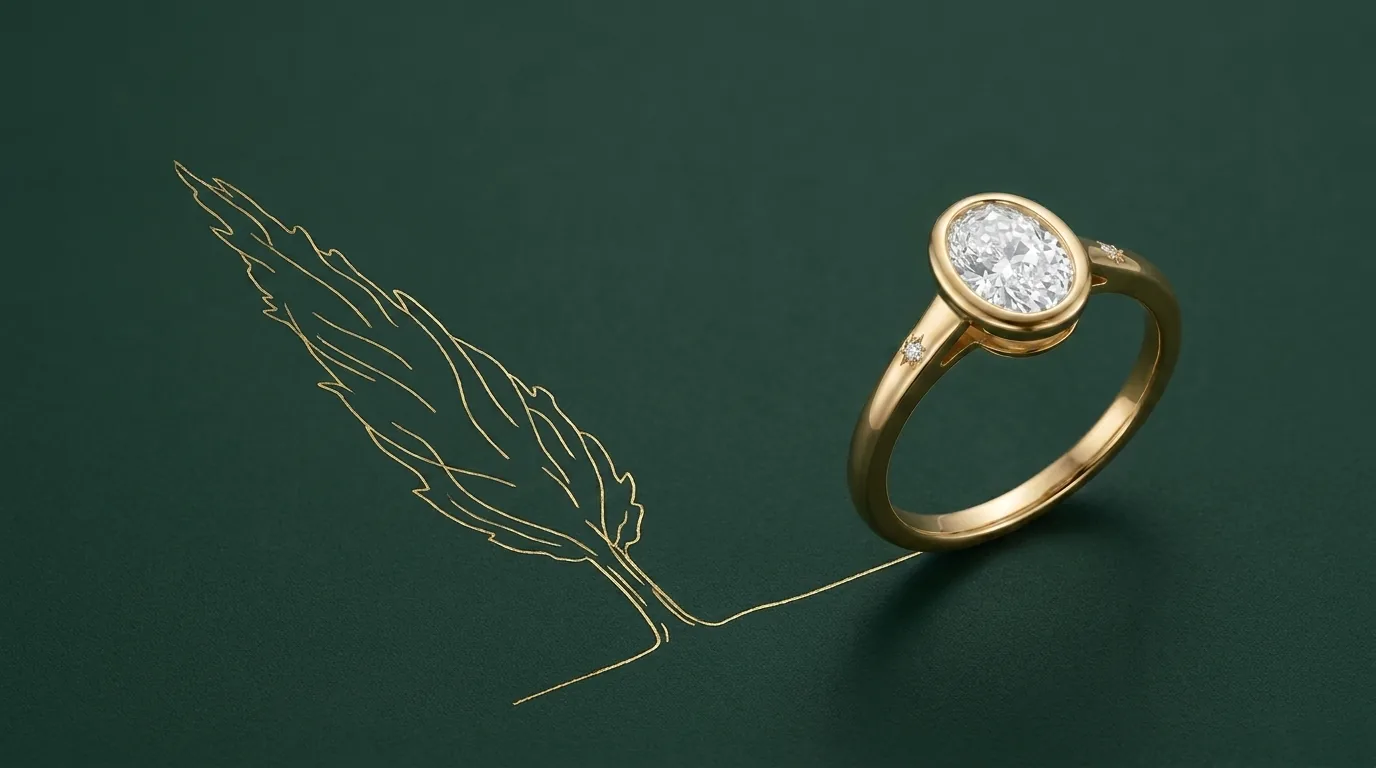
Carat measures weight, not size. How proportion and shape actually decide the way a stone reads on a hand, and what to ask for instead.
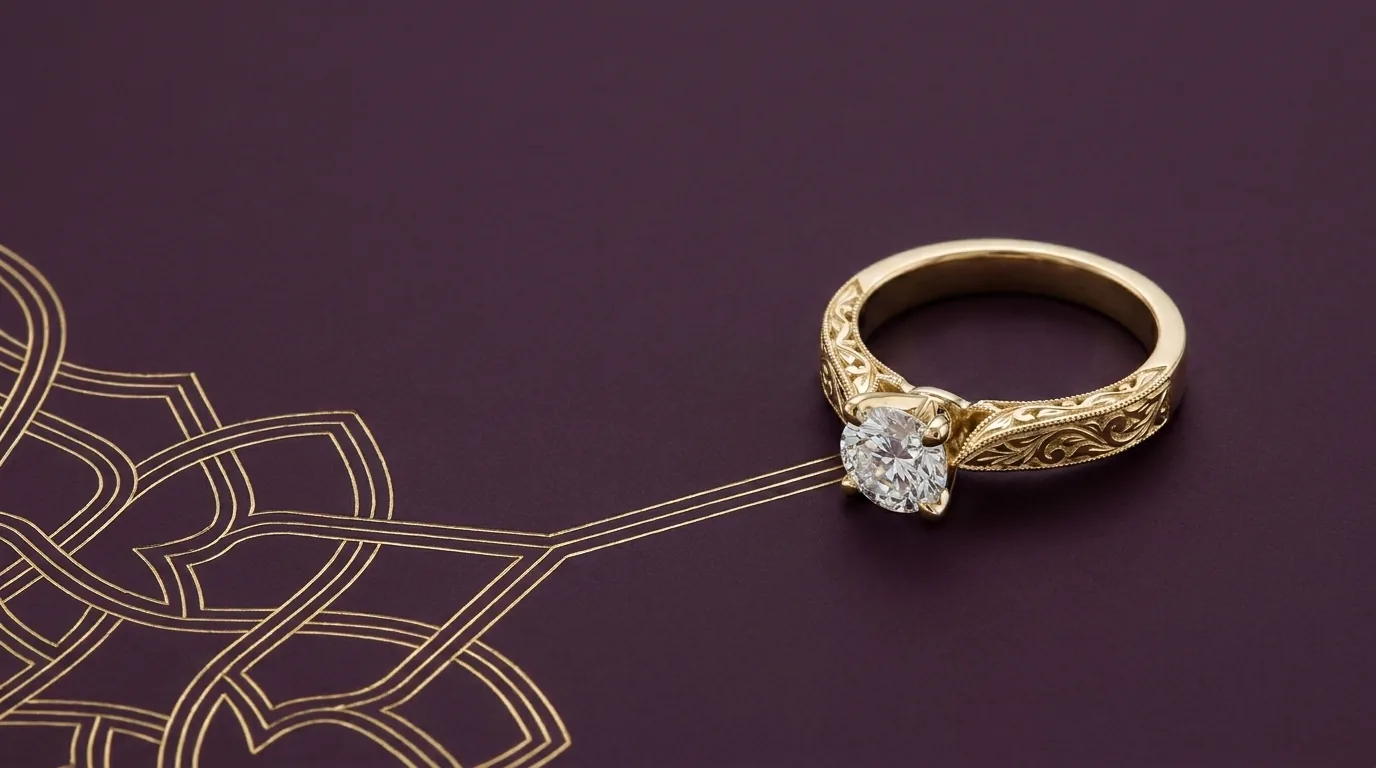
Changing your mind and being given what was agreed are two different rights. On a commissioned ring they point opposite ways.
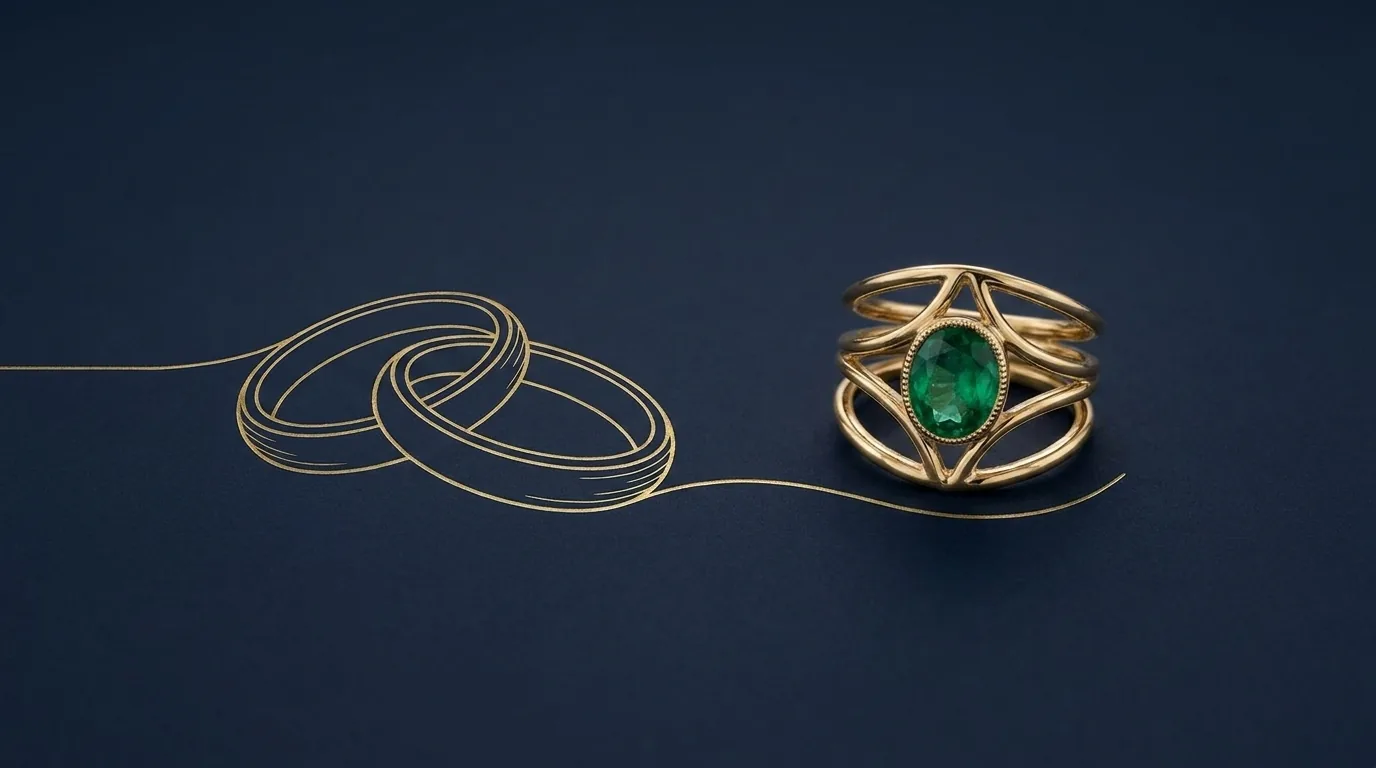
An engagement ring and a wedding band share a finger for a long time. That is a design problem before it is a commercial category.
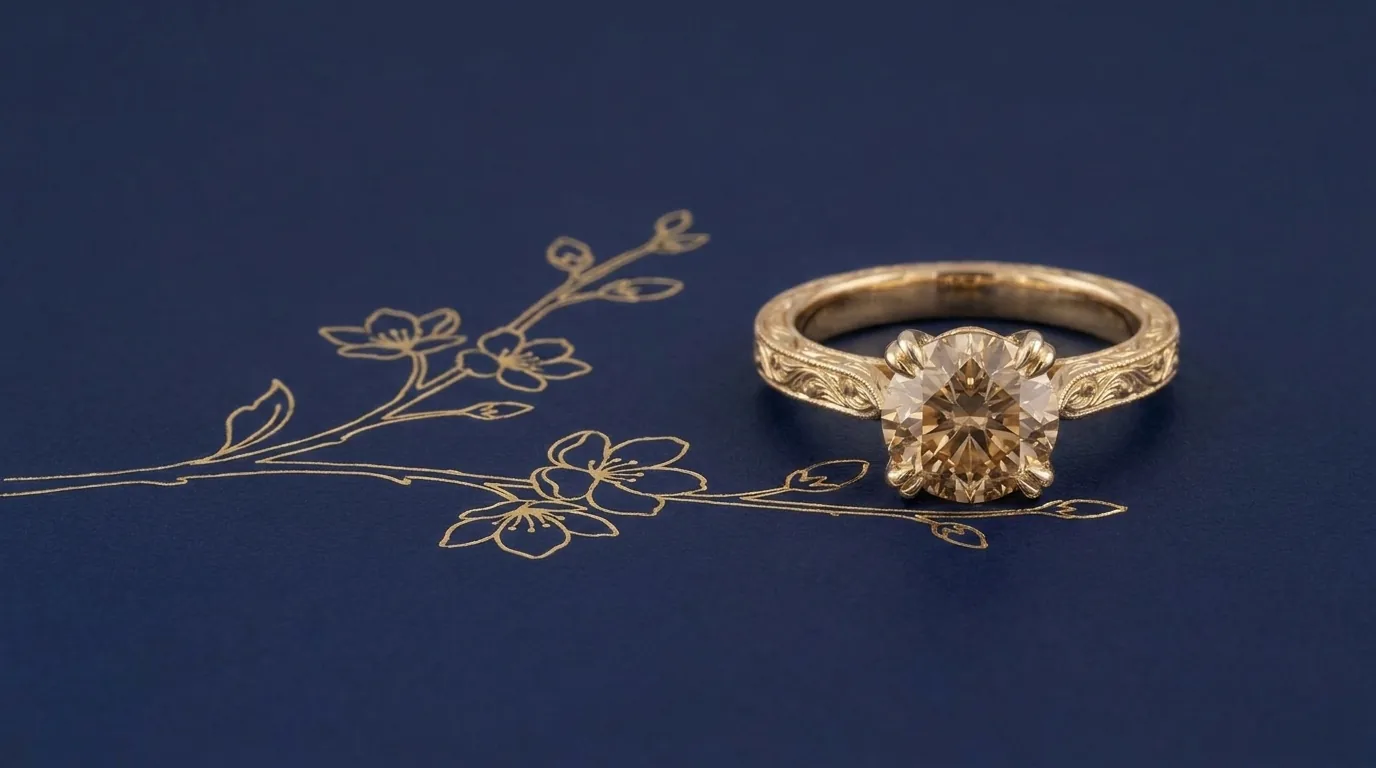
Where the colour comes from, how it is graded, what it costs relative to a colourless stone, and the two questions worth asking before you buy one.
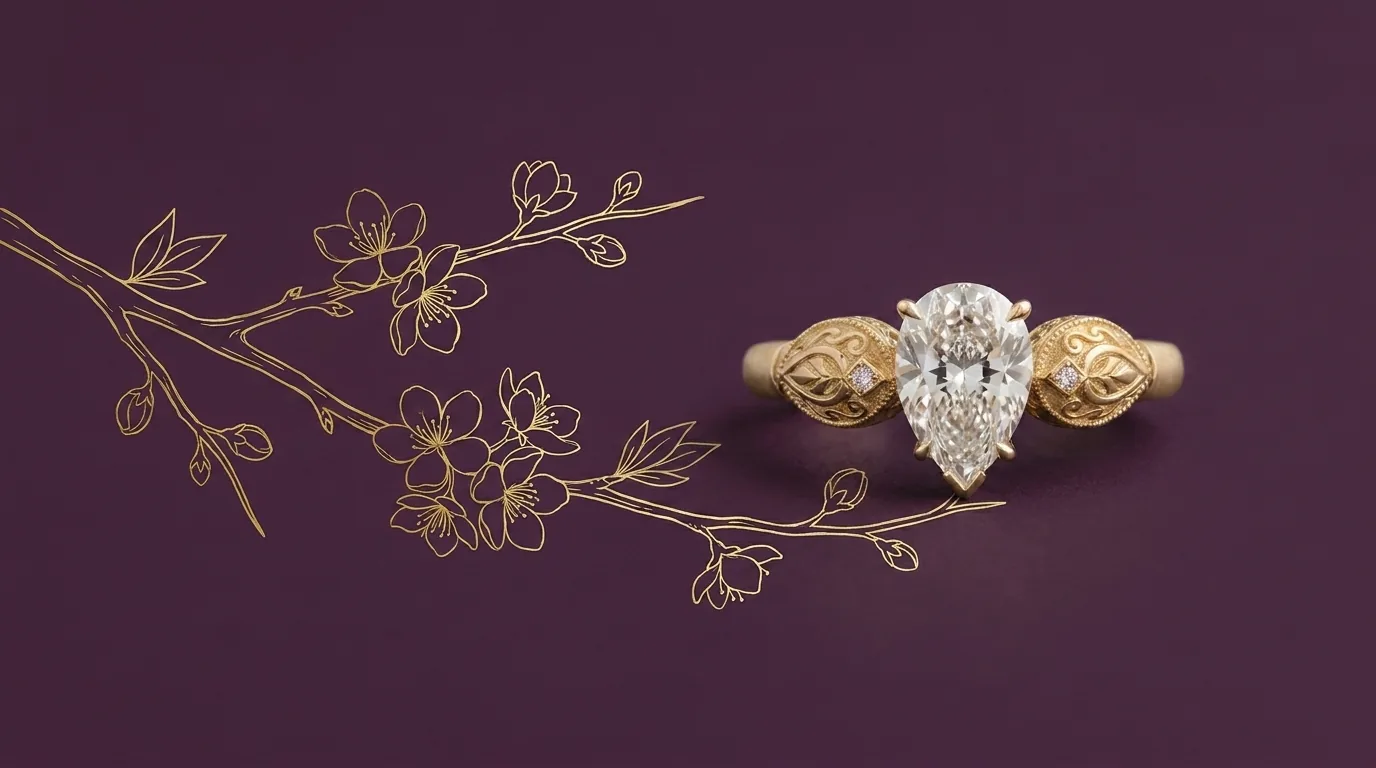
The honest answer needs two numbers, not one: the part the studio commits to, and the part that moves at your pace. Plus how to work back from a date.
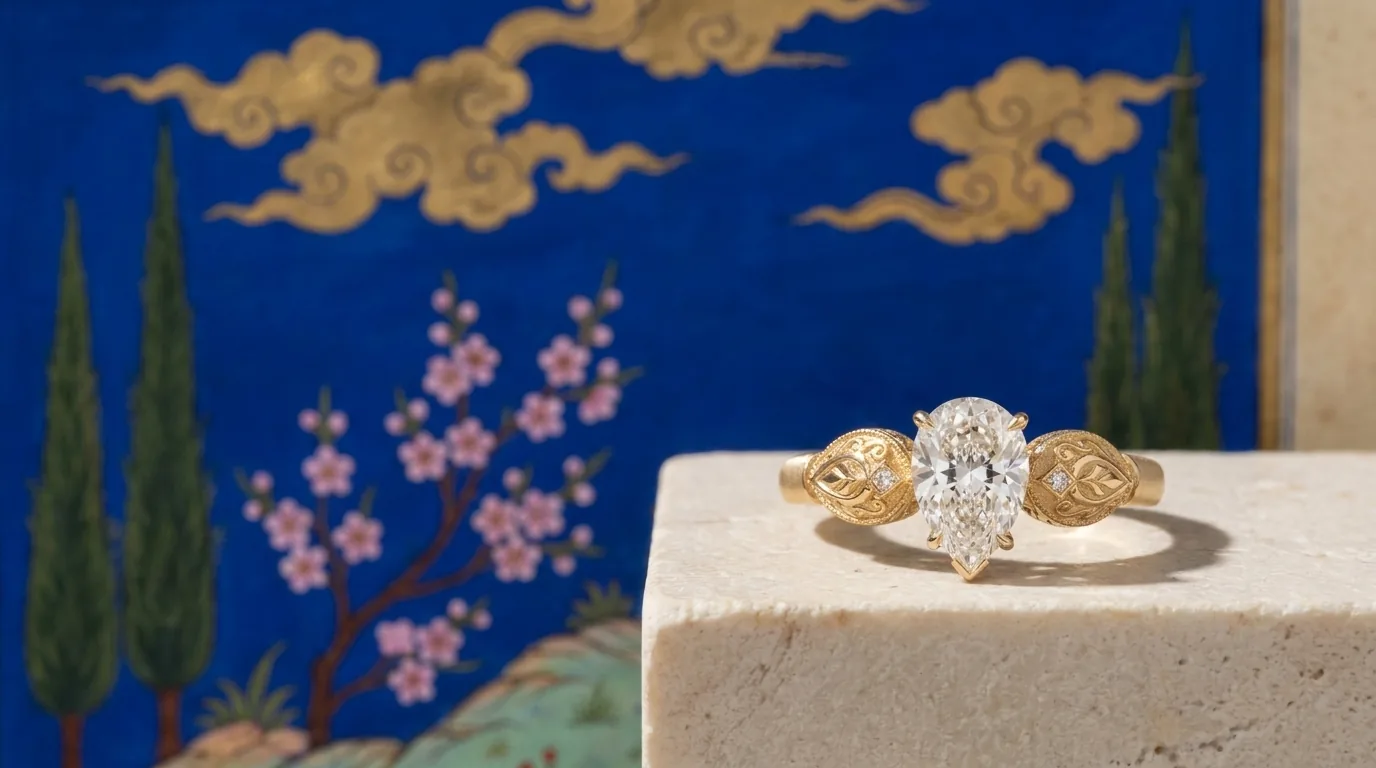
What the commissioning process looks like from first enquiry to finished piece: design, stones, timing, deposit, and what the designer needs from you.
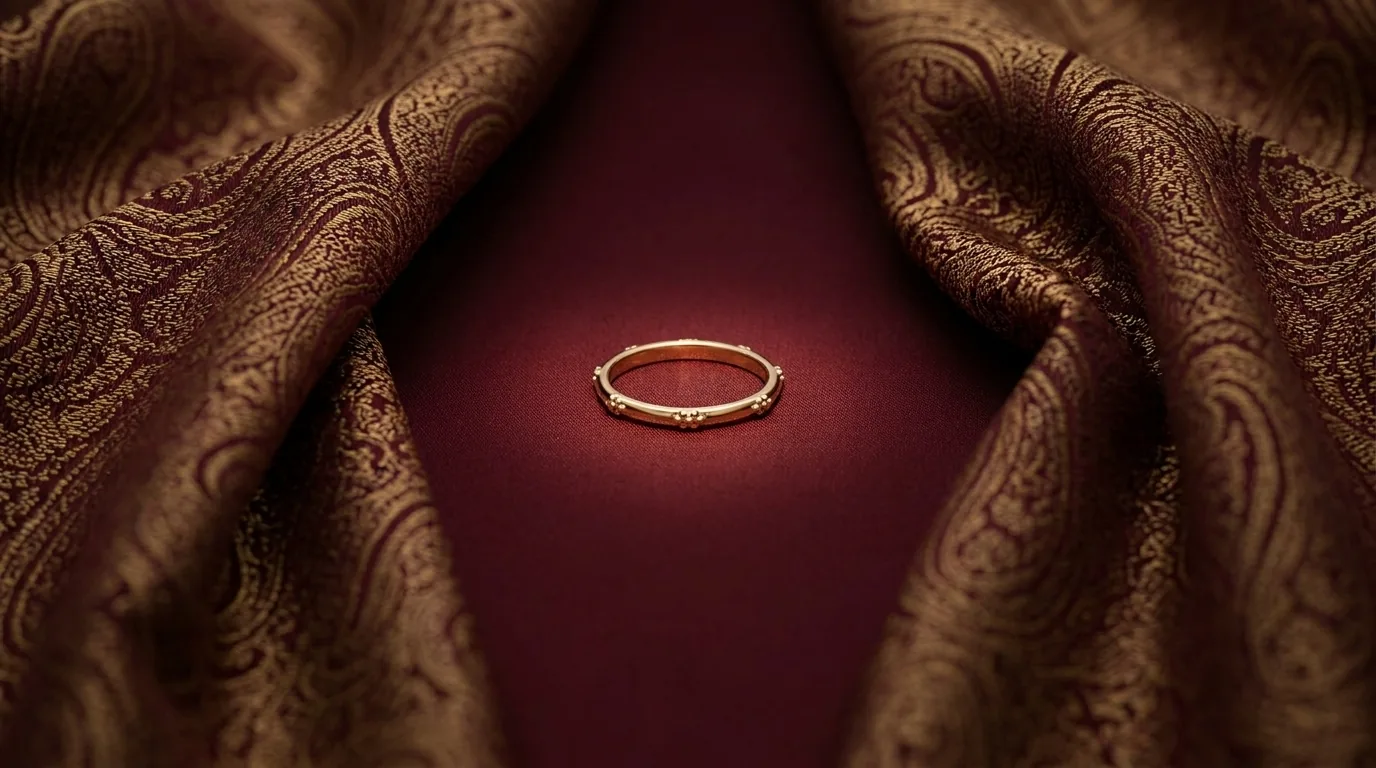
Necklaces, bangles and rings worn together. What makes a stack read as deliberate rather than accidental, and the older tradition it comes from.
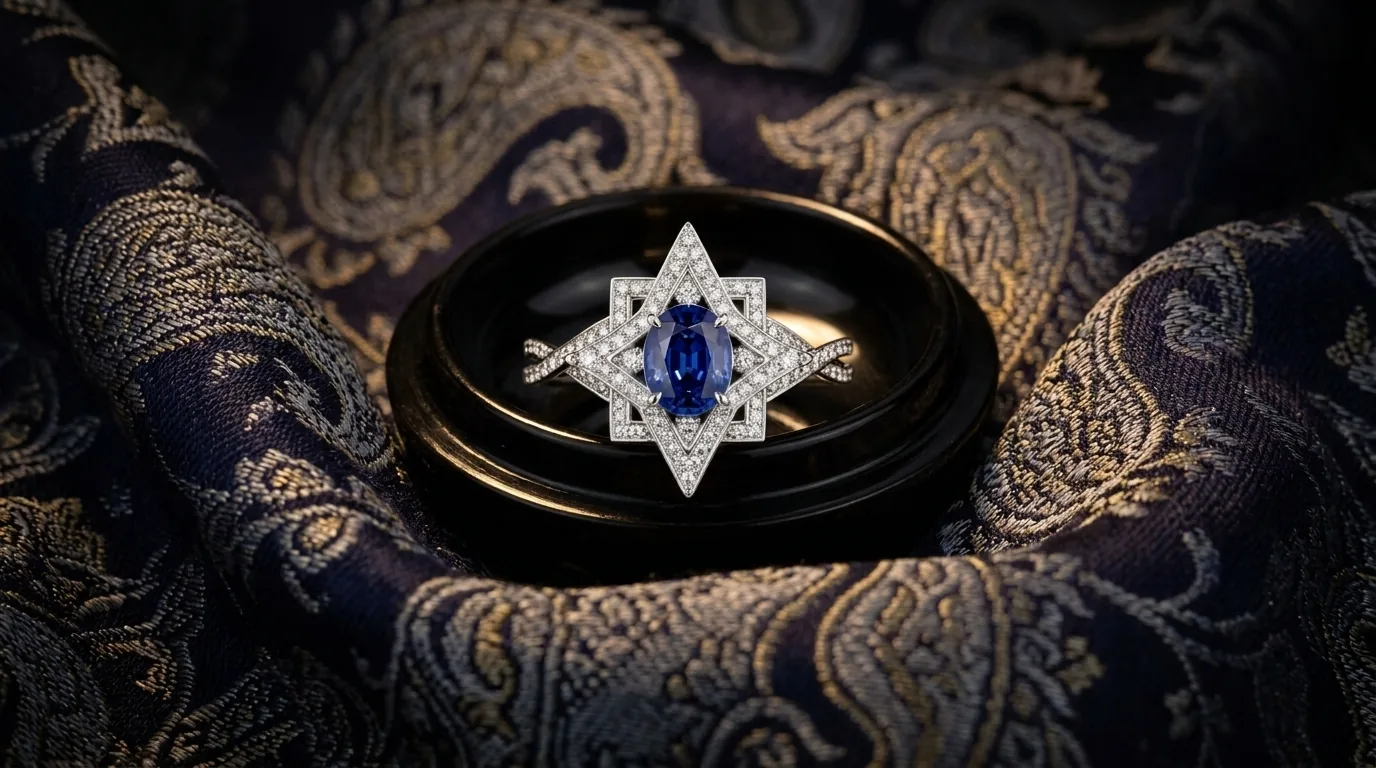
Old European, old mine and rose cuts throw light in a way modern cutting designed out. What differs, how to set them, and when not to recut.
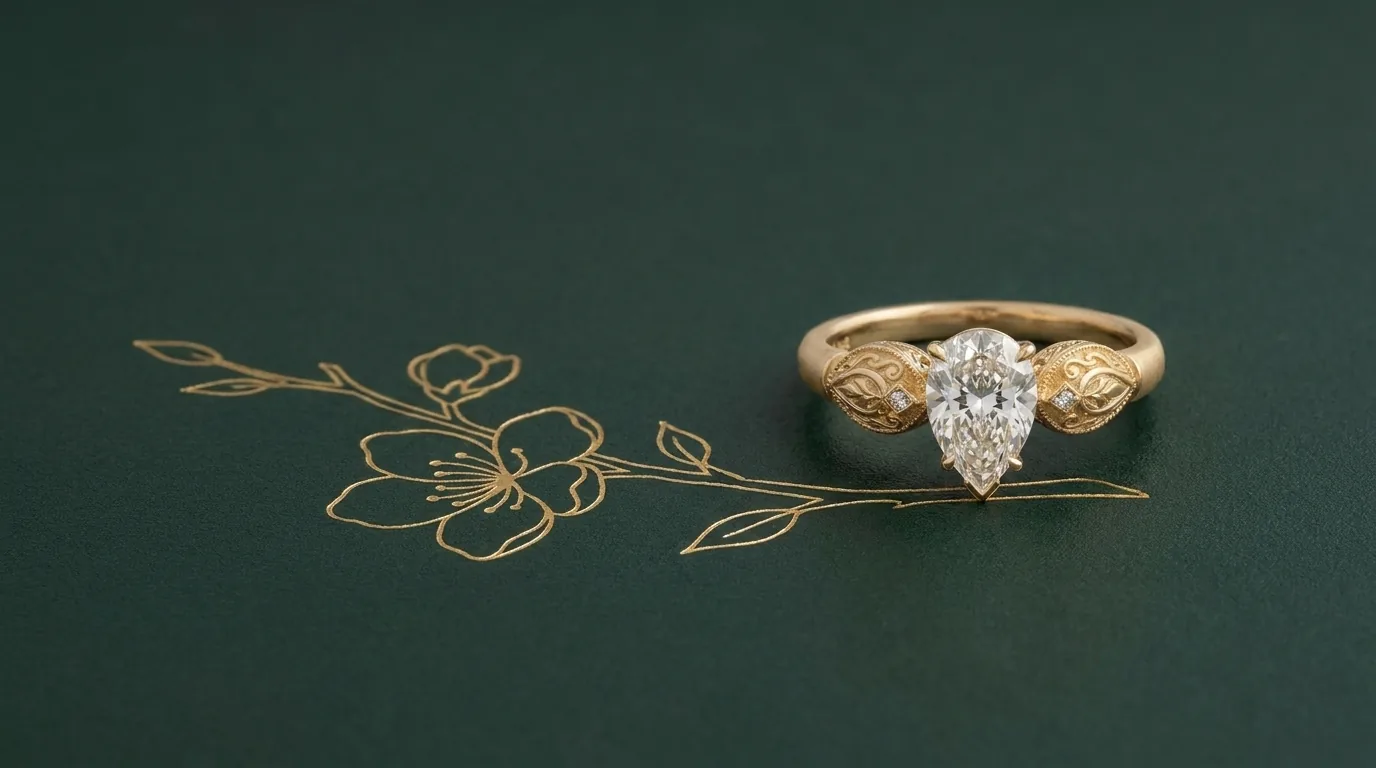
An engraved date is customisation. Personalisation is when the silhouette, the stone orientation and the band profile all answer to something about you.
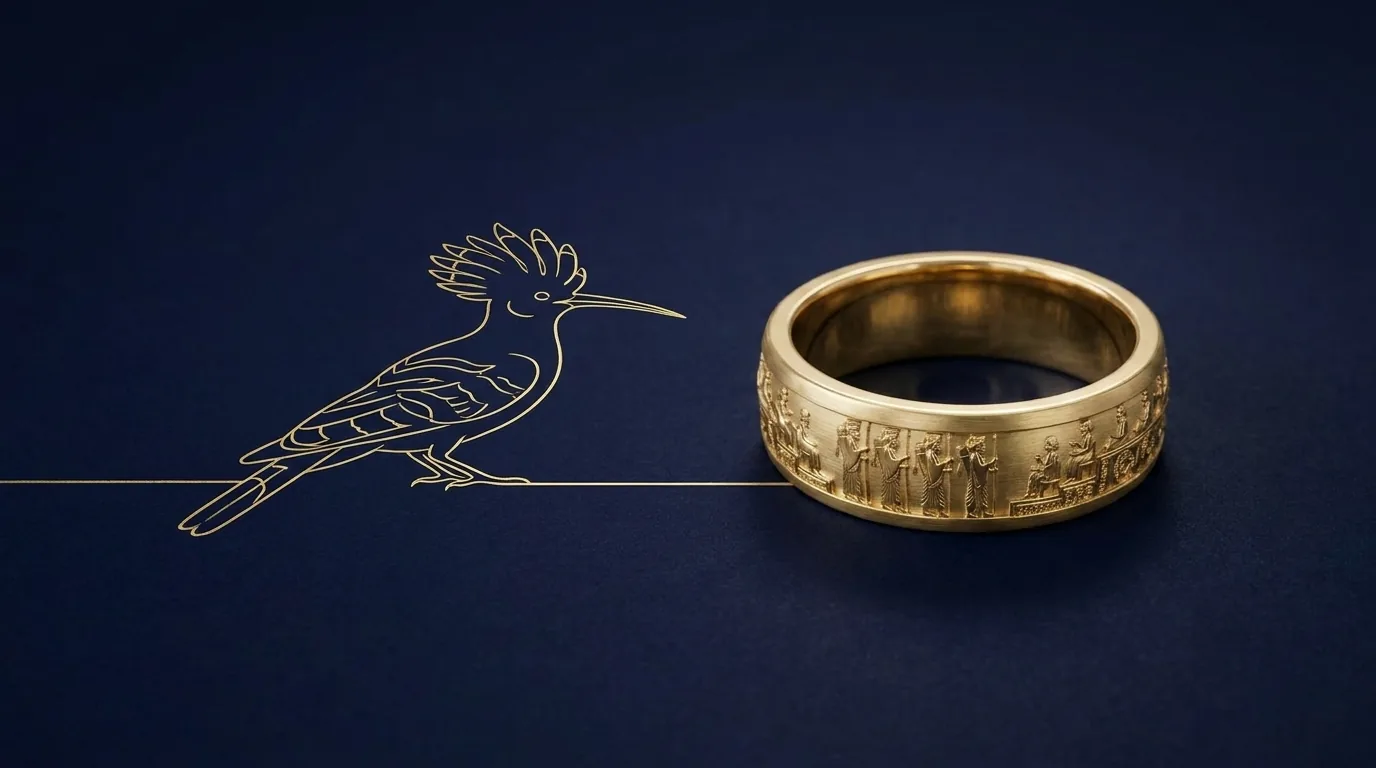
Three tiny marks, struck by an office with no interest in the sale, telling you what the metal actually is. Here is how to read them.
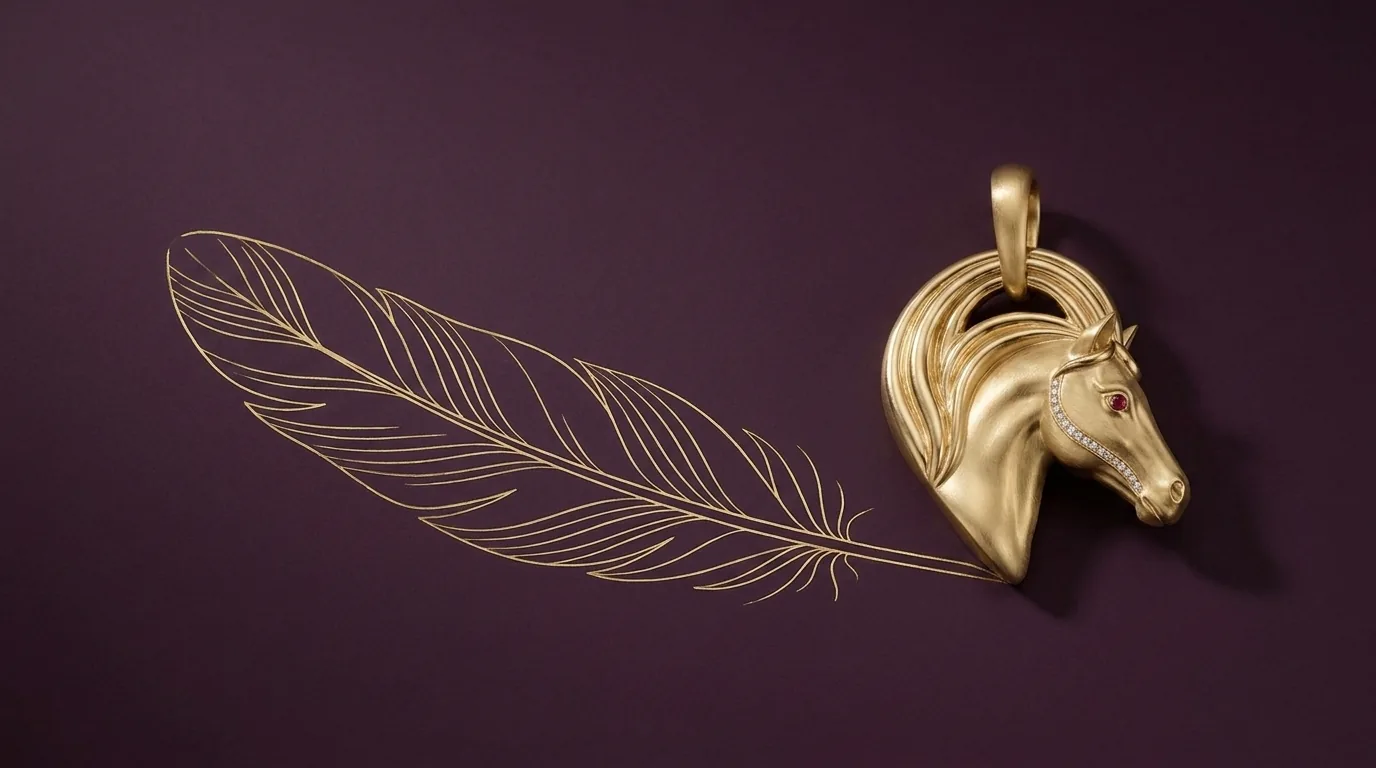
The word covers three different processes, and the difference is not really hands versus machines. Here is what to ask a jeweller instead.
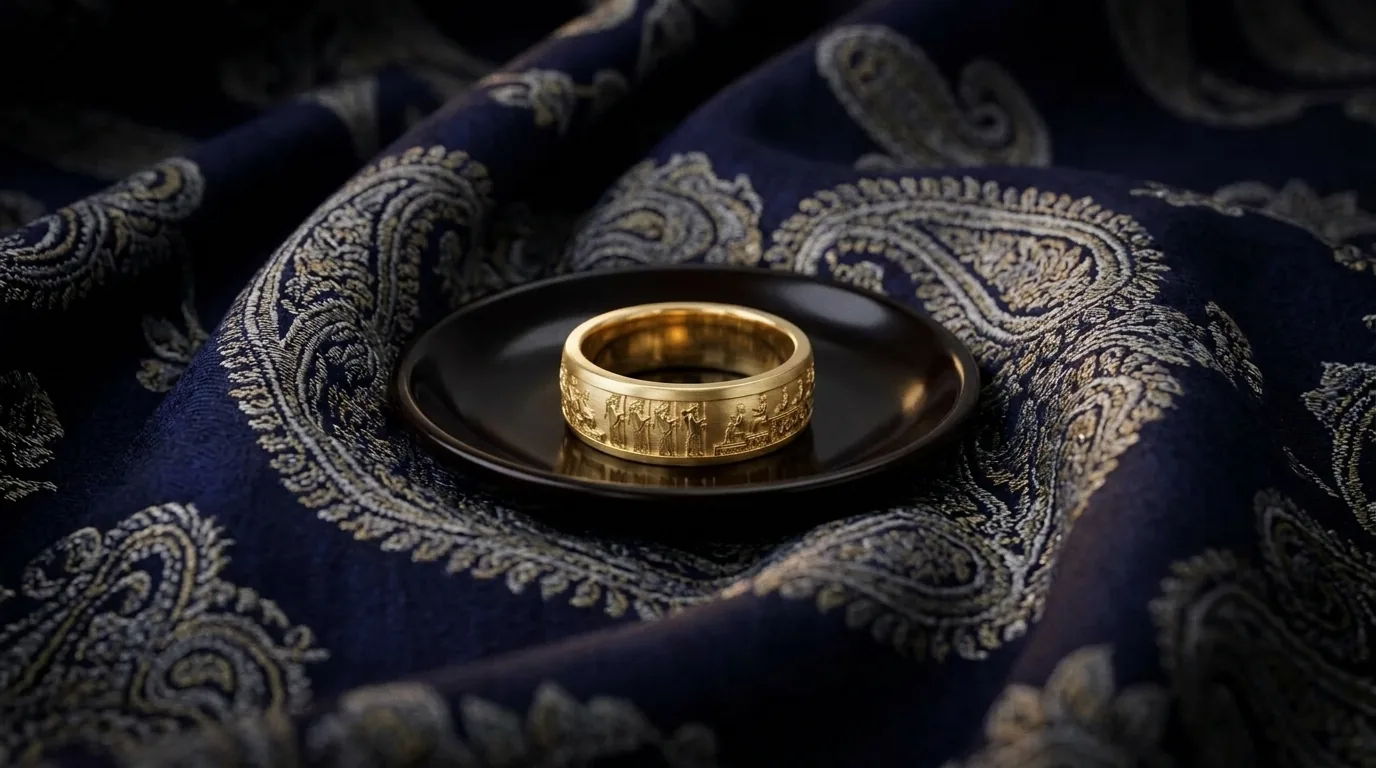
In Britain, the left. In much of Europe, the right. Neither is more correct, and the reason usually given for the left hand is not true.
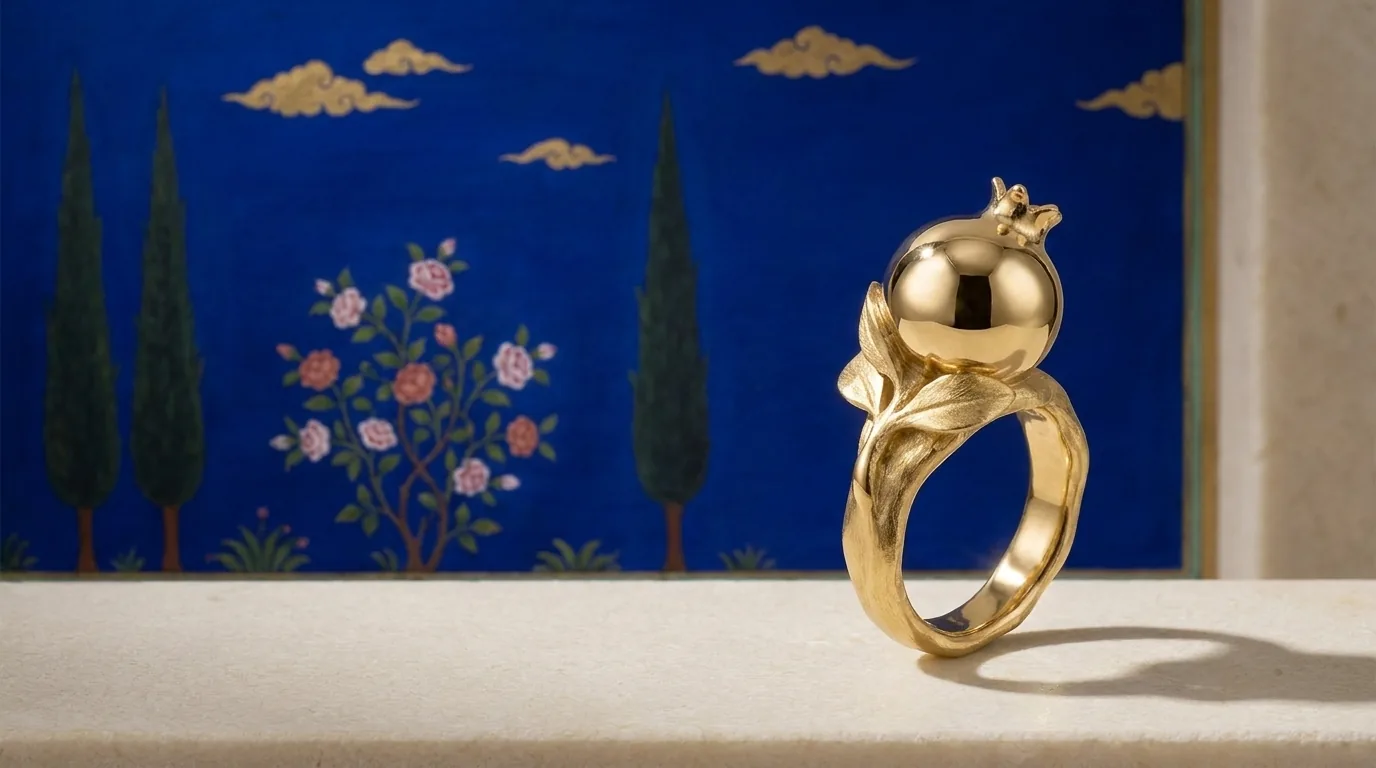
An honest, designer's breakdown of what a bespoke 18ct gold engagement ring actually costs, and where the money goes.