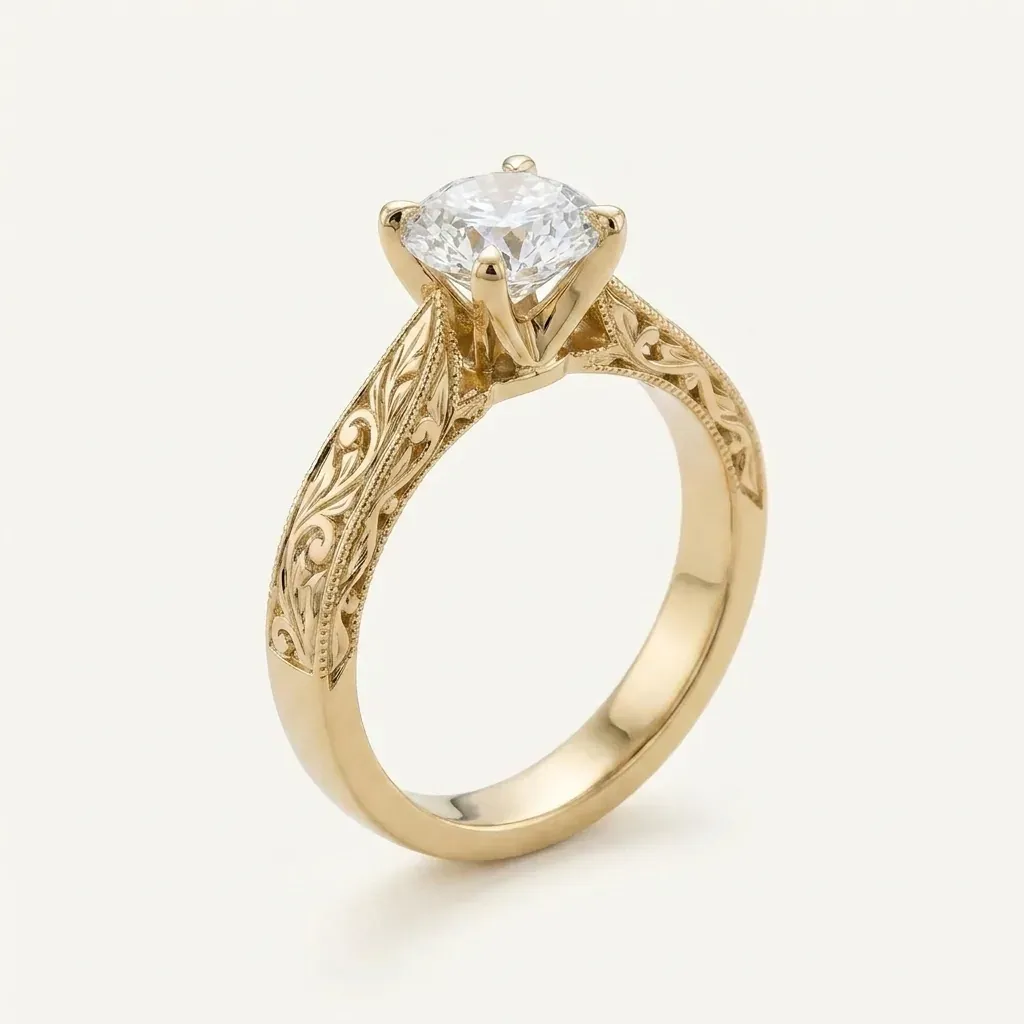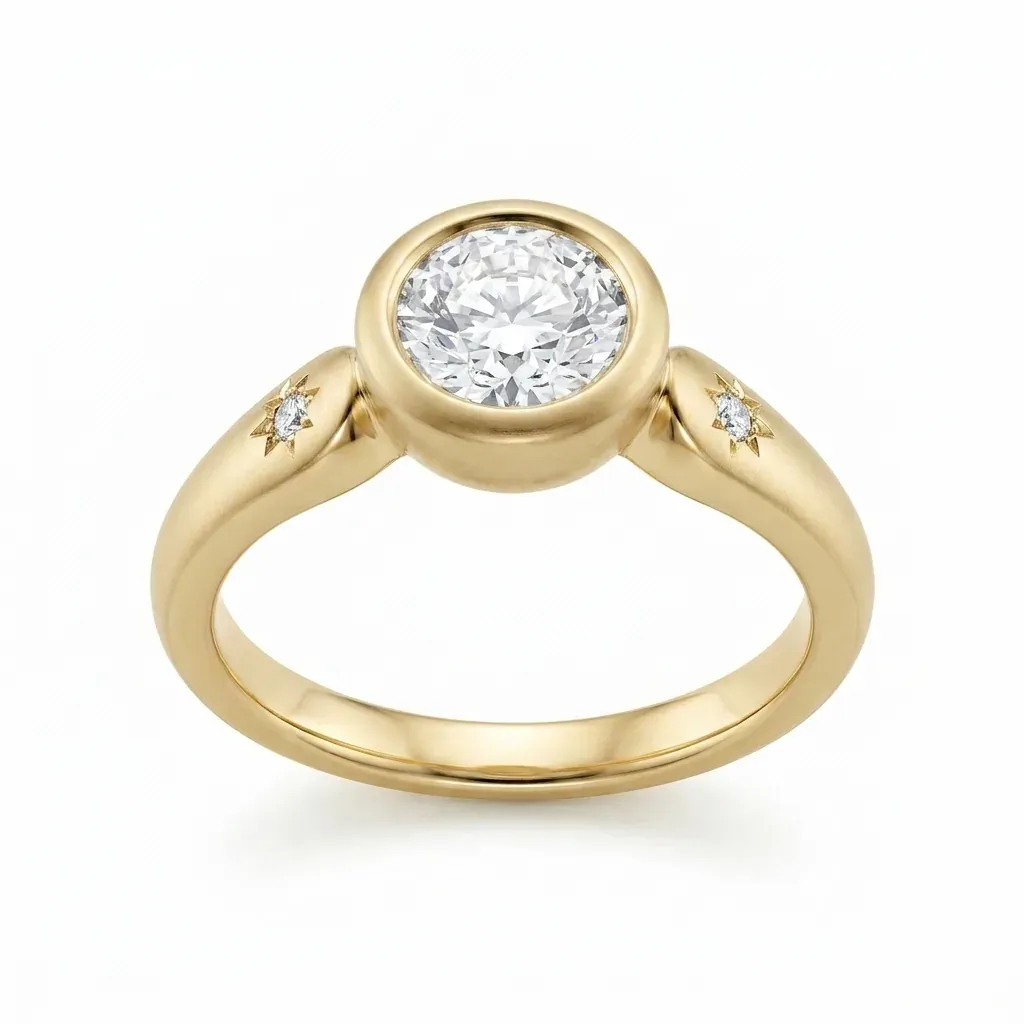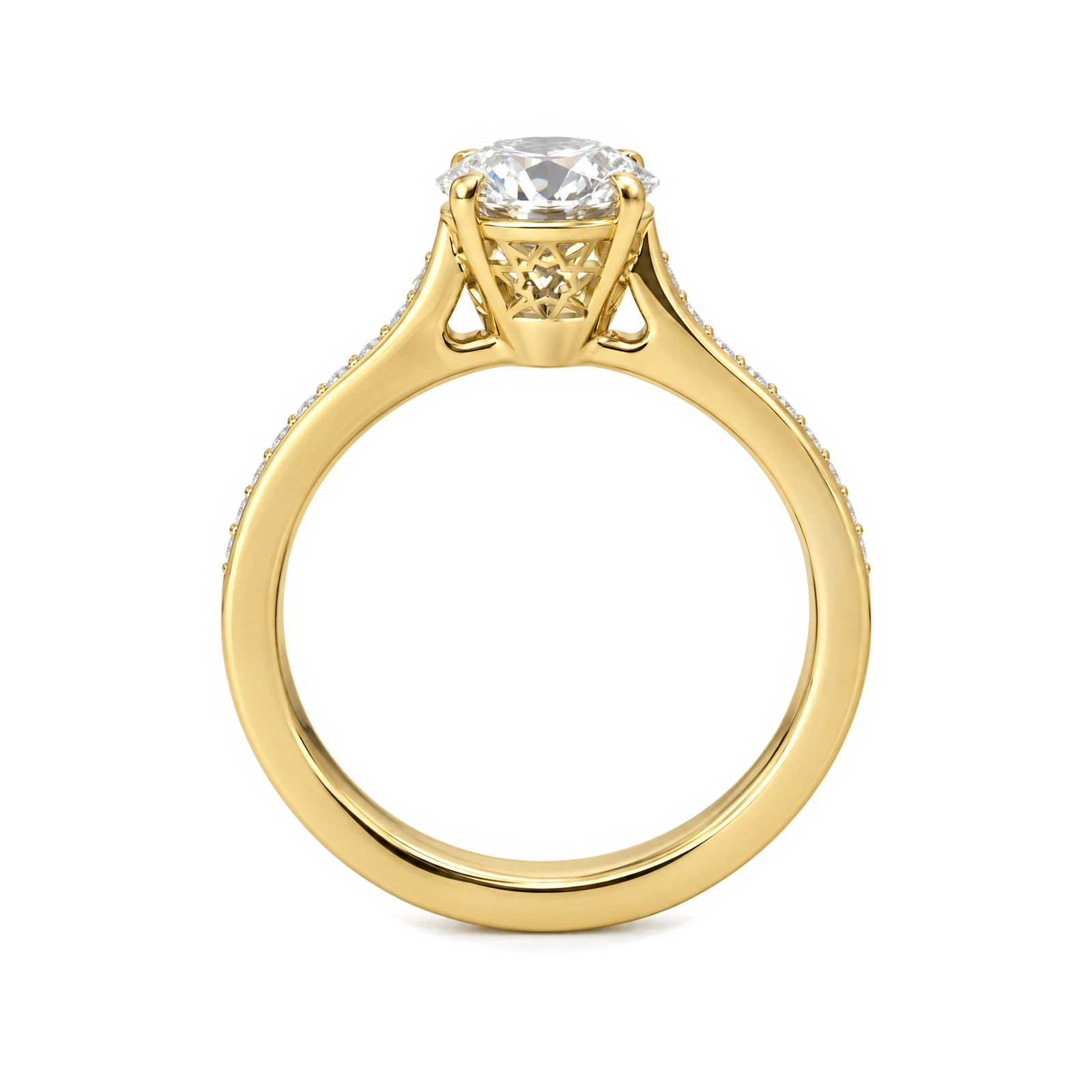

There is a moment in almost every commission, bespoke or custom, whichever word you use for it, that gets treated as a formality when it is actually the whole job: the moment you look at a picture on a screen and say yes. Everything after that, the casting, the setting, the polishing, follows from what you approved. If the picture told you less than you thought it did, the ring that arrives can be technically correct and still feel wrong on the hand. That gap, between approving an image and receiving an object, is rarely dishonesty on anyone’s part. It is usually a buyer approving something they could not fully picture, because nobody told them what to look for.
You do not need to learn CAD or become a gemmologist to close that gap. You need a short list of things to ask for, and the discipline to ask before you say yes rather than after.

Ask for more than one view
A flat, front-on render is the easiest image for anyone to produce, and it is also the hardest one to judge a ring by. It flatters proportion. It shows you the stone and the shape of the band, and it hides almost everything about how the piece will actually sit.
The view that gets skipped most often, and matters most, is the profile. A side-on image shows how high a setting stands off the finger, which is the detail people forget to ask about and the one most responsible for a finished ring feeling bulkier, or lower, than expected. A design that looks perfectly balanced from directly above can read completely differently from the side, because height simply does not show in a front view at all.
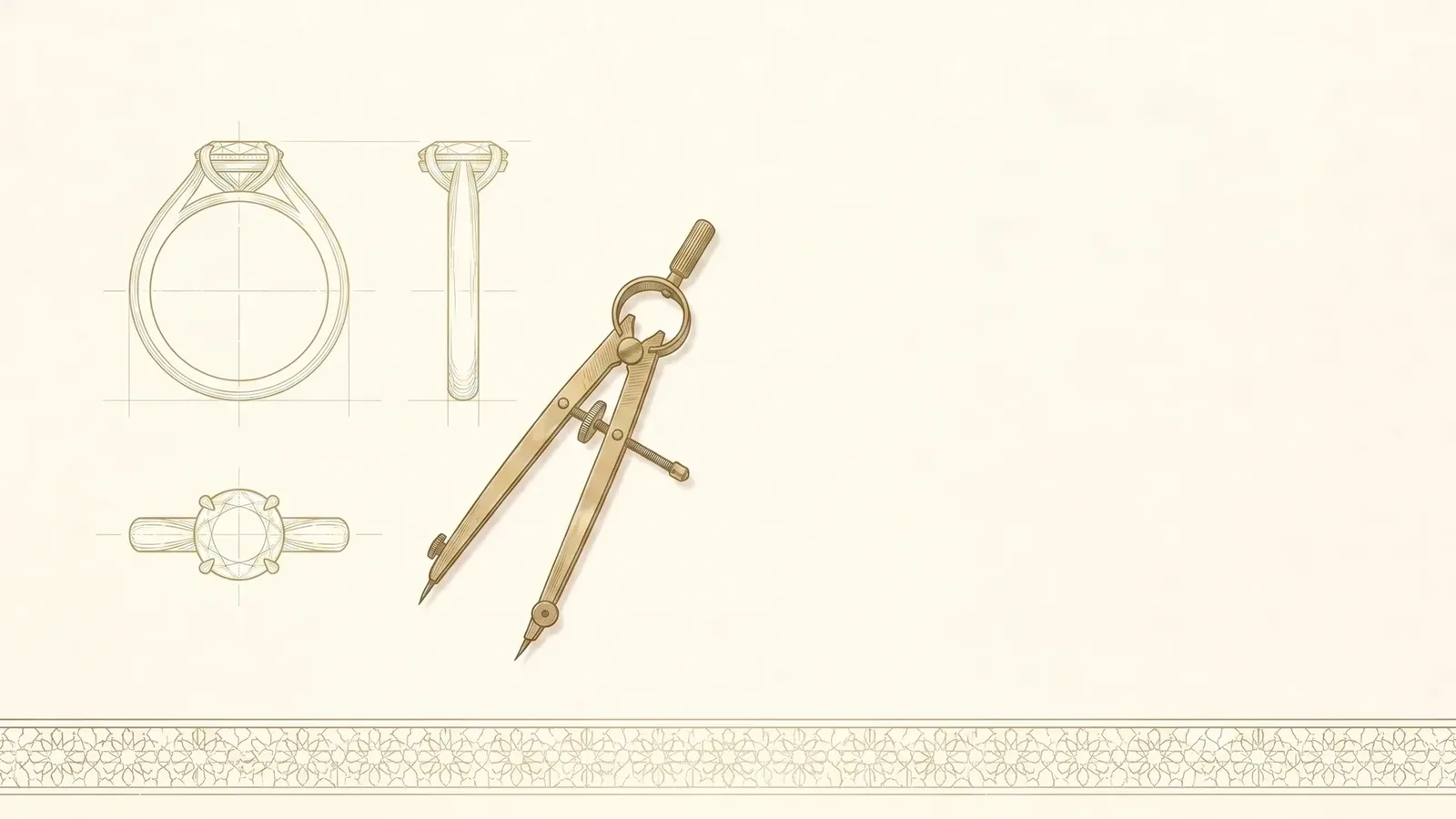
Ask for a top-down view, close to how you will actually see the ring on your own hand day to day. Ask for a profile view. And where it is offered, ask for several angles or a short turntable rather than a single hero shot, because a design can look generous from one angle and modest from another, and one still image only ever shows you one of them.
None of this asks a studio to hand over anything it does not already hold. A render is a computer image made for exactly this purpose, to be looked at from more than one side before anything is committed to metal.
Ask for millimetres, not only carats
Carat weight tells you how much a stone weighs. It does not reliably tell you how large it looks face-up, and the difference between those two things catches more buyers out than almost anything else in this guide.
Two stones of identical carat weight can present as noticeably different sizes once they are on a hand. A stone cut deep carries extra weight low down, out of sight below where the metal grips it, and looks smaller than its carat weight suggests. A well-proportioned cut shows more of that same weight as visible diameter. Carat alone cannot tell you which one you are looking at in a render.
The figure that does tell you is the stone’s measurements in millimetres: length and width, or diameter for a round stone. Ask for that number alongside the carat weight, every time, and you are judging the actual size of the thing rather than a weight figure that a differently cut stone could match whilst looking smaller in person.
Ask for it in writing
A conversation is easy to remember differently once weeks have passed. This is not a comment on anyone’s honesty. It is simply how memory works when two people are picturing the same object from two different vantage points, one of them having thought about little else for days.
A written specification closes that gap. It states the stone’s size, the estimated metal weight, the setting type and the finish, agreed and confirmed before anything is made. Ask for one before you approve a design, not after you have already said yes in a message thread.
This is a different request from asking a studio to itemise its price line by line, which most workshops do not do and cannot reasonably be expected to produce, since a single figure covering stone, metal, setting and hours is normal, considered practice rather than evasion. A written specification is not a price breakdown. It is a description of the object you are about to receive, and it is a perfectly ordinary thing to ask for.
Hold something before it is cast
Where a workshop offers it, a physical version of the design at actual size, printed in resin or cut in wax, is the last genuinely cheap moment to notice something is wrong. It cannot show you the finished metal or the set stone, but it can show you scale, proportion and how a shape actually sits, in a way no screen fully can. Before the piece is cast in precious metal, that check is a straightforward adjustment. After casting, the same change means remaking rather than correcting, and it is worth asking early in the conversation whether this stage exists and where it falls, rather than discovering the answer once it is too late to use it.
Why “it is not what I approved” happens
When a finished ring disappoints somebody who genuinely did approve the design, the cause is almost always one of three things, and none of them is a maker quietly changing the brief.
A change discussed in conversation and never written into the specification, so it existed for one person and not the other. A render looked at once, briefly, without the top-down and profile views that would have shown the true proportions before anything was final. Or no physical check between approving the model and the piece being cast, so the first time the design is seen at real scale, in real light, is also the last, on the finger it was made for.
Every one of those is avoidable from your side of the table, without any technical knowledge at all. Ask to see the views. Ask for the millimetres. Ask for the specification in writing. Ask whether there is a physical stage before casting, and use it if there is.
Before you say yes to anything
One habit does most of the work here: before you approve a design, ask to see it from more than one angle, with its stone’s measurements alongside it, written down. That single question does not slow a commission down. It is what lets you say yes to the ring you actually understand, rather than the one you hoped the picture was showing you.
A studio’s computer models are working documents, refined across a commission and kept as its property rather than released, which is why what you are shown, and asked to approve, is always renders and photographs of the model rather than the file itself. Asking to see more of it, from more angles, at the right level of detail, is a reasonable request every time, and a maker with an organised process will already expect it. For more on how a design becomes a working model in the first place, see The Drawing and the Piece, and for the stages that follow approval, How a Bespoke Ring Is Made. If you are still deciding what kind of setting to commission, Engagement Ring Settings, Explained is a reasonable place to start, and questions about a specific commission belong on the bespoke page.