“Handmade” is one of the least precise words in jewellery, and it is used honestly by people who mean entirely different things by it. If you are trying to work out what you are actually buying, the word on its own will not tell you. The question underneath it will.
There are broadly three ways a piece of fine jewellery comes into existence.

Hand fabrication
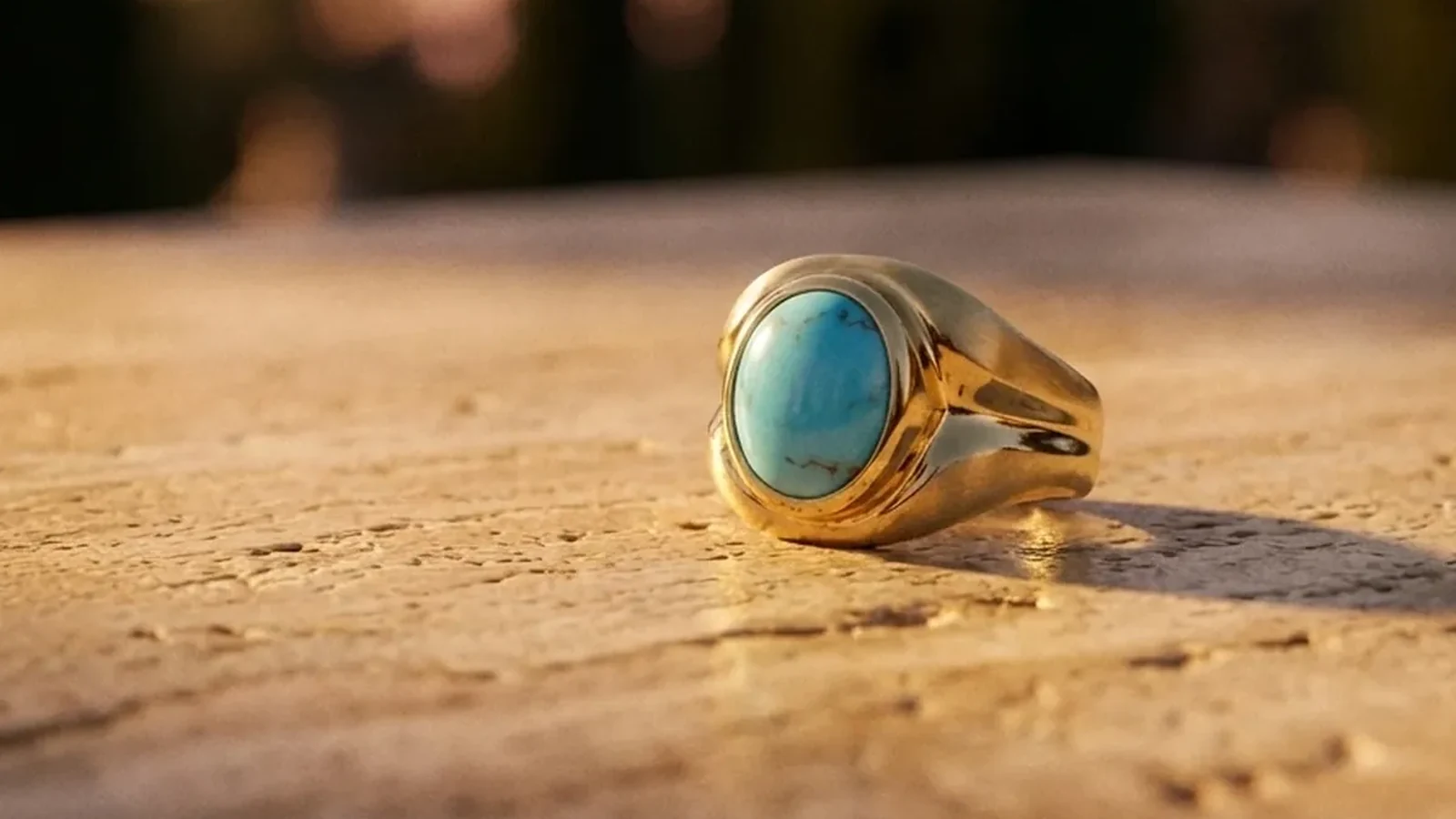
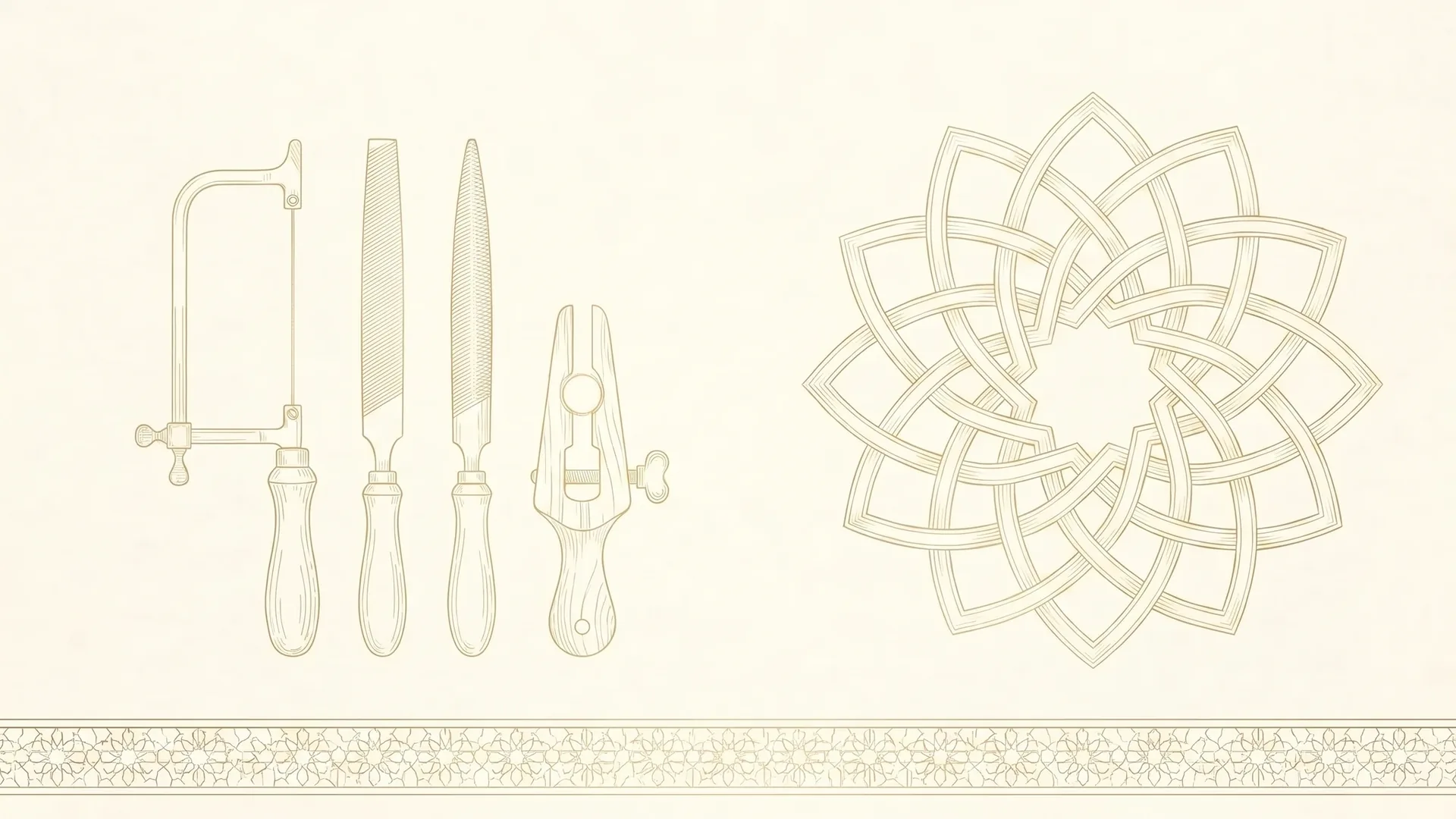
Metal is worked directly: sheet and wire are sawn, filed, bent, forged and soldered into a finished piece. Nothing is poured, and there is no mould. This is the strictest sense of the word, and it is how a signet ring, a plain band or a simple bezel setting is often still made today.
It suits some designs beautifully and is close to impossible for others. Deep relief, undercut ornament, pierced lattice geometry and anything sculptural in the round are extremely difficult to fabricate by hand and straightforward to cast.
Casting
A model of the piece is made first, either carved in wax or built as a digital model and printed in resin. That model is invested in plaster, burned out, and molten gold is drawn into the cavity it leaves behind.
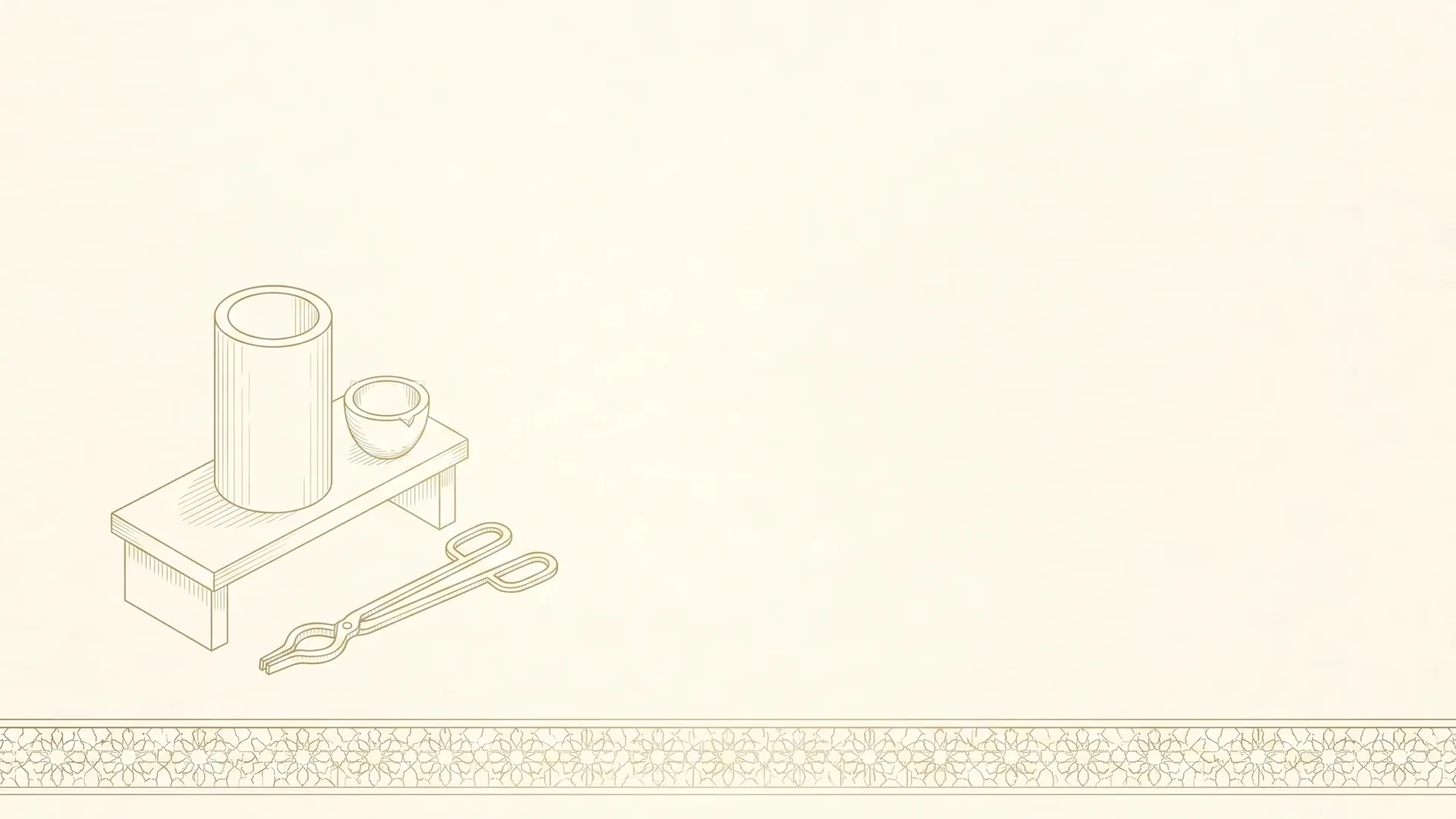
This is where the word starts causing arguments, and it should not. Lost-wax casting is roughly five thousand years old. It was used in Mesopotamia and the Indus Valley long before anyone had a machine to blame, and calling it “machine-made” misdescribes it badly.
What actually happens around the casting is almost entirely hand work. Someone designs the piece. Someone builds the model, and the model is where the proportion, the weight and the ornament are decided. After casting, every stone is set by hand, one at a time, which is the single most skilled operation in the whole process and the one with the least room for error. The piece is then finished by hand to the surface it was designed for.
The furnace pours the metal. A person does everything on either side of it.
Mass production
Components are die-struck or machine-formed in quantity, settings are often machine-set, and finishing is done in bulk. Thousands of identical pieces exist, made before anyone wanted a particular one.
This is genuinely different in kind from either of the first two, and it is the thing most people are trying to avoid when they search for handmade jewellery. It is also the only one of the three where nobody made a decision about your piece specifically, because your piece was never specifically anything.
The questions worth asking instead
If you want to know what you are buying, “is it handmade” is a poor question because everyone answers yes. These are better:
- Was this piece made before I ordered it, or after? This separates stock from made-to-order more cleanly than any other question.
- Who set the stones, and were they set by hand? Hand setting and machine setting produce visibly different results under magnification, and the difference shows most on pavé.
- Was this design made for me, or chosen from a range? Both are legitimate. They are not the same purchase.
- Can I have it changed? A piece that can be altered in metal, stone, size or proportion before it is made is being made for you, whatever word is on the label.
How pieces are made here
Every piece is designed first, by hand on paper and then as a model precise enough to check every dimension before any metal is touched. Nothing is held in stock and nothing is made until it is commissioned, so no piece exists until somebody has asked for it.
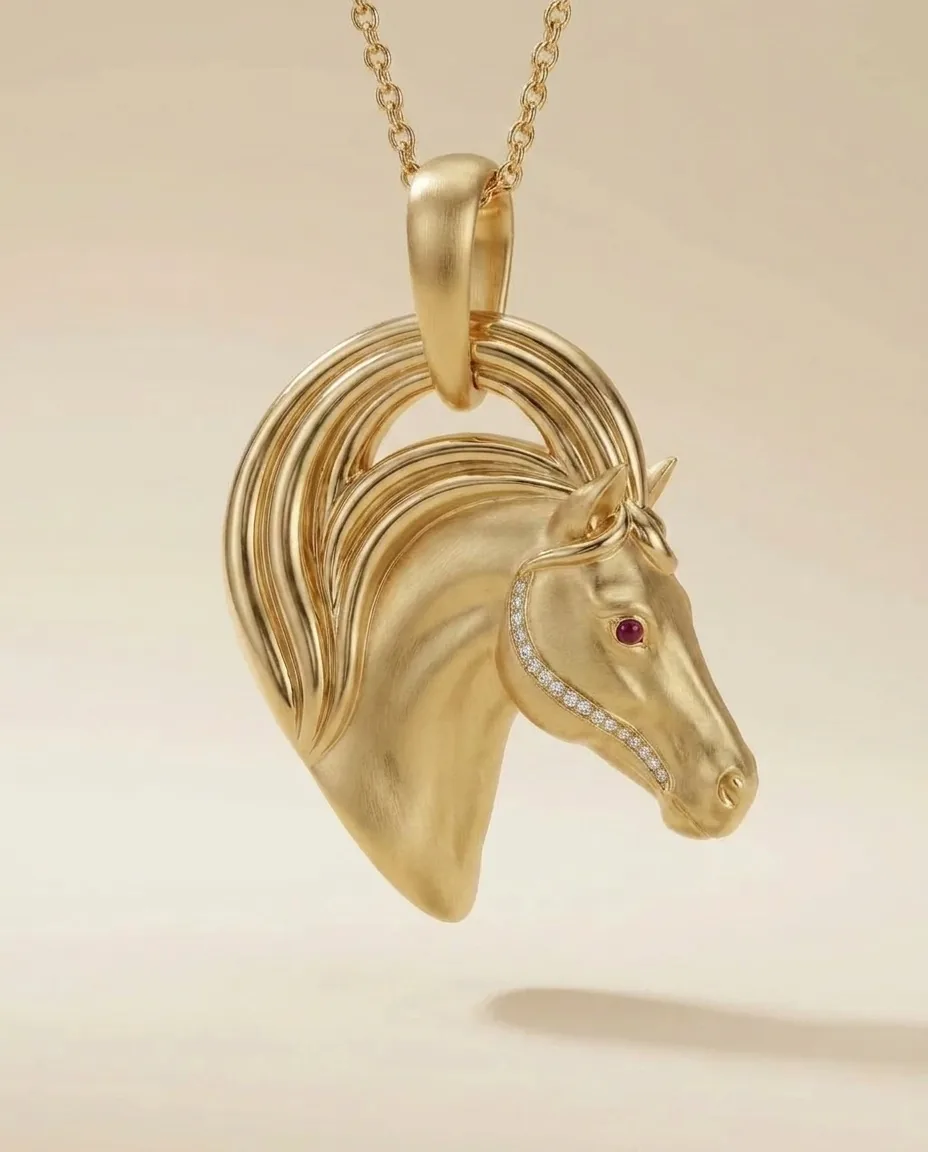
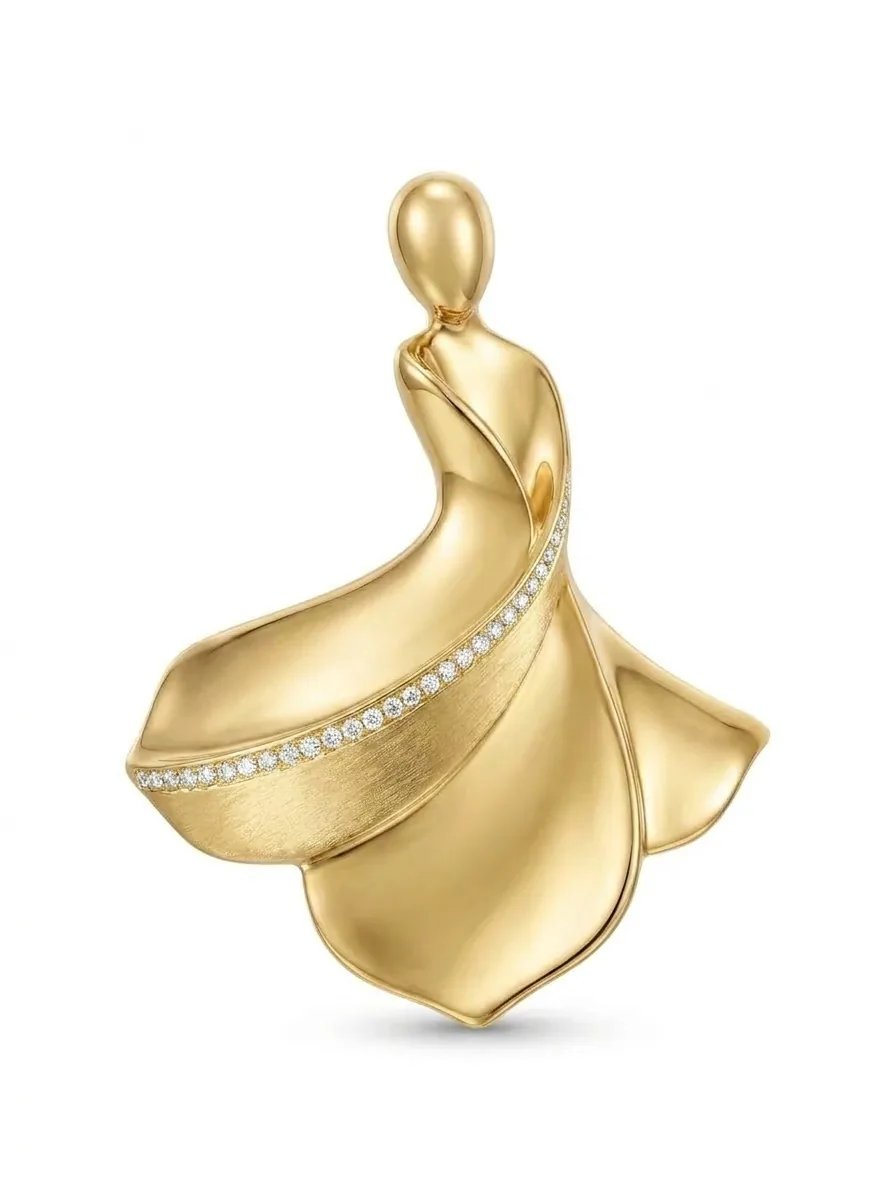
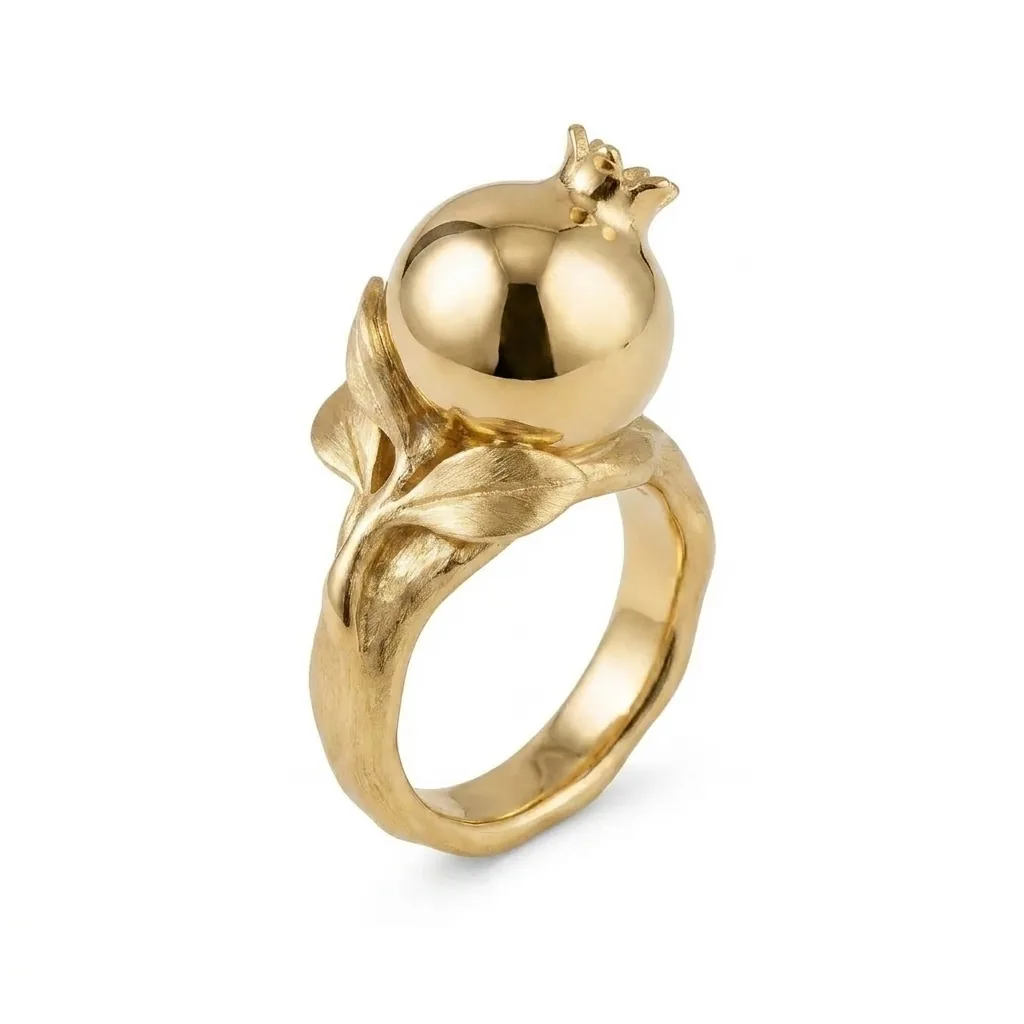
Pieces are cast in solid gold, because the ornament these designs carry, the pierced girih lattices, the boteh worked in relief, the sculptural forms in the round, is the kind of work casting exists to make possible. Every stone is then set by hand, the piece is finished by hand to the surface chosen for it, and it is sent for UK hallmarking before it is dispatched.
That is the whole process, described plainly. Whether it earns the word “handmade” is a question about the word rather than about the work, and you now know enough to answer it yourself.