
Ask most people what their rights are when a piece of jewellery goes wrong and you get one question back: can I send it back? It sounds like a single question. It is actually two, they come from different pieces of law, and on a ring made to order they point in opposite directions. Almost every argument between a buyer and a jeweller starts because nobody separated them.
The first question is whether you can change your mind. The second is whether you were given the piece that was agreed. Sorting which one you are actually asking is most of the work, and it usually changes what happens next.

Question one: can I simply change my mind?
Order something without standing in the shop, whether through a website, a phone call or a string of messages, and a cancellation right attaches to that purchase. It comes from the Consumer Contracts (Information, Cancellation and Additional Charges) Regulations 2013, and regulation 29 phrases it about as broadly as anything in consumer law: the buyer may cancel “at any time in the cancellation period without giving any reason”. Fourteen days is the length of that window for goods, counted from the day the item reaches your hands, or reaches somebody you have nominated to take delivery who is not the courier.
Most people have heard that much. What tends to be missed are two limits on it, and they decide the outcome far more often than the fourteen days do.
Walk into a shop and the right is simply not there. The Regulations reach distance and off-premises contracts. Agreeing something in person, in the jeweller’s own premises, is neither of those, so no cooling-off period attaches to it under this instrument, and none ever has. Anything a shop offers you in that situation is its own policy, extended as goodwill, and shaped however the shop chooses. That is a useful thing to know before assuming a ring can be taken home on approval.
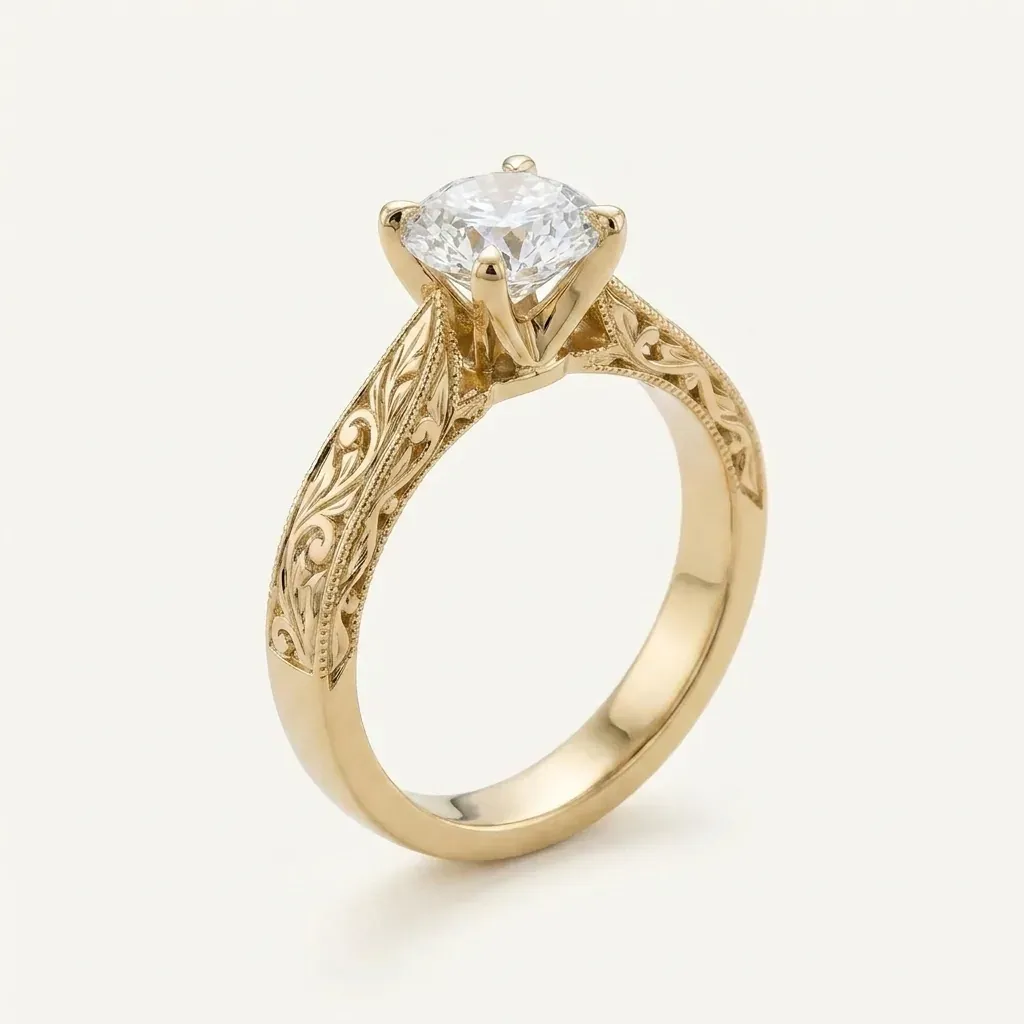
Commission a piece and the right falls away too. Regulation 28 sets out what sits outside the cancellation right, and its list includes the supply of goods “that are made to the consumer’s specifications or are clearly personalised”. A design built to your brief, a shank cut to one particular finger, initials engraved inside: all outside. Nor is there anything in the instrument that restores the right if you have second thoughts quickly, before a single hour of work has gone in. No maker is being difficult with you here. The text says what it says, and it says it about every maker in the country.
One duty runs the other way, in your favour, and almost nobody is told about it. When regulation 28 removes the cancellation right, the trader has to say so before you commit. The information a trader must supply includes, where that right will not apply, telling you plainly that you will not have it. A maker taking a commission remotely is therefore obliged to raise this with you up front. Silence on the subject is itself worth noticing.
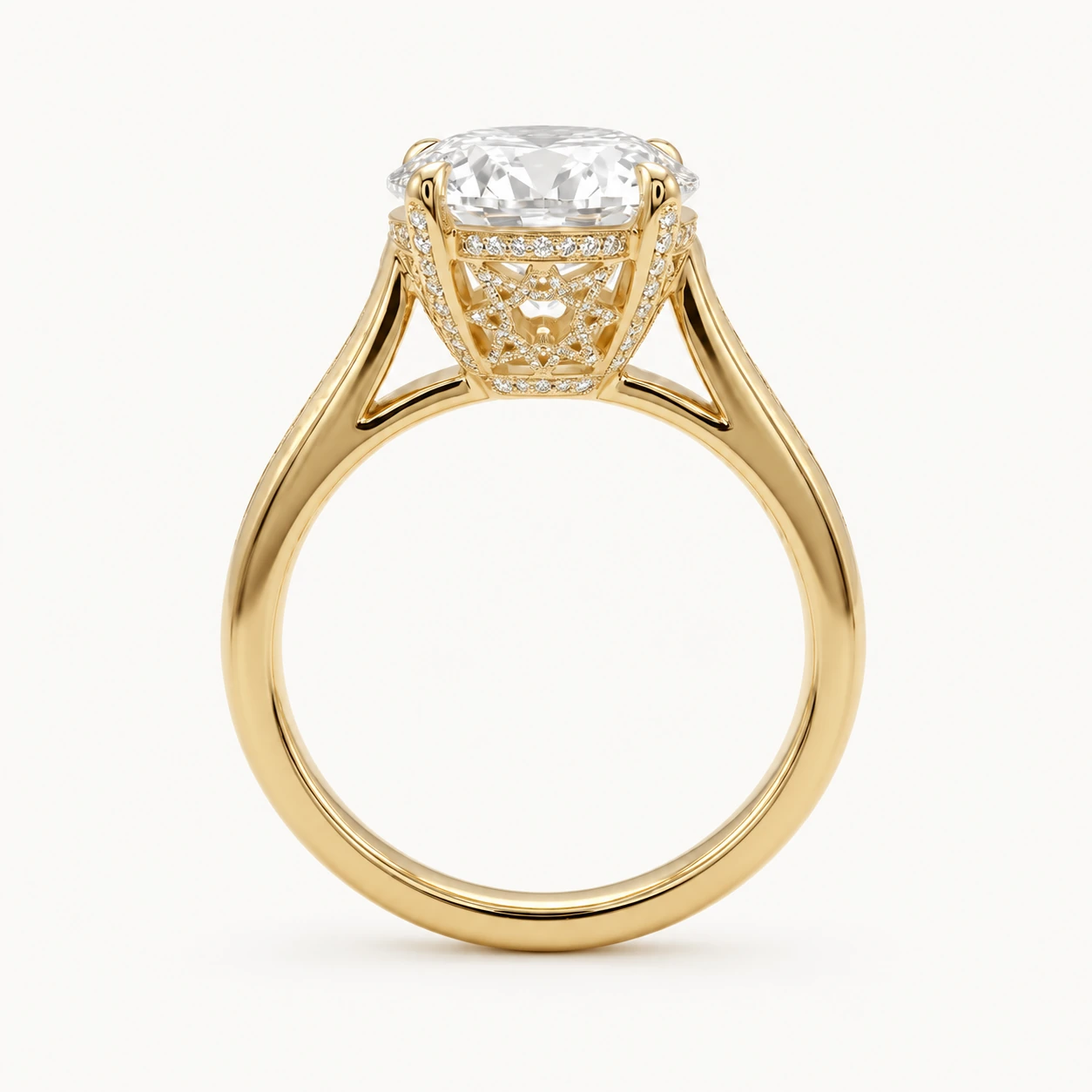
None of that is comfortable, but it does point somewhere useful. On a commissioned piece your leverage lives entirely before approval, not after delivery, which is why asking to see the right views before you approve anything carries more weight here than in almost any other kind of purchase.
Question two: is this the piece that was agreed?
Here the picture turns over completely.
Certain promises are read into a sale by statute whether anyone writes them down or not. Under the Consumer Rights Act 2015, what you buy has to reach a standard a reasonable person would call satisfactory, weighed against how it was described, what it cost, and whatever else is relevant. Mention a specific purpose to the seller beforehand and it has to serve that purpose too. And anything sold on the strength of a description has to answer to that description.
Three consequences follow, and each is worth holding onto.
Made to order changes none of it. There is no carve-out in those provisions for bespoke, custom or personalised work. A commissioned ring has to be of satisfactory quality and has to match its description exactly as a ring bought from a display case does. The exemption in the previous section belongs to the cancellation right and travels nowhere near this one. Two separate instruments, two separate questions, and an exclusion in one is not an exclusion in the other.
How you bought it makes no difference. The Act applies to a contract for a trader to supply goods to a consumer, full stop. Shop, website, appointment, message: the same terms apply. That is the exact mirror of the cancellation right, which depends entirely on how the contract was formed.
The remedies arrive in a set order. The Act sequences them: first a short-term right to reject, then repair or replacement, then a price reduction or a final right to reject. The short-term right to reject runs for thirty days, counted from the latest of the transfer of ownership, delivery, and the trader confirming that any required installation is complete. Knowing the order is genuinely useful, because a jeweller who offers to put something right is not brushing you off. Repair sits legitimately in the middle of that sequence. The other half of that thought is that if a repair does not work, there is a further step and it belongs to you.
One duty that sits on the seller, not on you
Separately from either question, the Hallmarking Act 1973 makes it an offence for a person, in the course of a trade or business, to apply a description indicating that an article is wholly or partly gold, silver, platinum or palladium to an unhallmarked article, or to supply or offer to supply such an article. Exemptions exist by weight, which is why some very light pieces carry no mark. This one is enforced publicly and is not something you have to claim. If you want to know how to read the mark itself, that is a subject of its own.
If a seller will not engage
Consumer advice in the United Kingdom is given by the Citizens Advice consumer service, which also passes reportable matters to the relevant local Trading Standards team. Trading Standards is the enforcement body, and the government publishes a locator for the office covering a given area. It costs nothing to approach them, and doing so does not prevent you pursuing the matter yourself.
What this article is, and is not
This is general information about how the law is written. It is not legal advice and it is not a substitute for advice on your own circumstances, which can change the answer. What it should leave you with is a better question than “can I send it back”. Ask instead which of the two rights you are relying on. If you have simply changed your mind about a piece made for you, recognising that early is what gives a good maker room to help. If the piece is not what was agreed, you stand on far firmer ground than most buyers realise, and having it made to order takes none of that away.