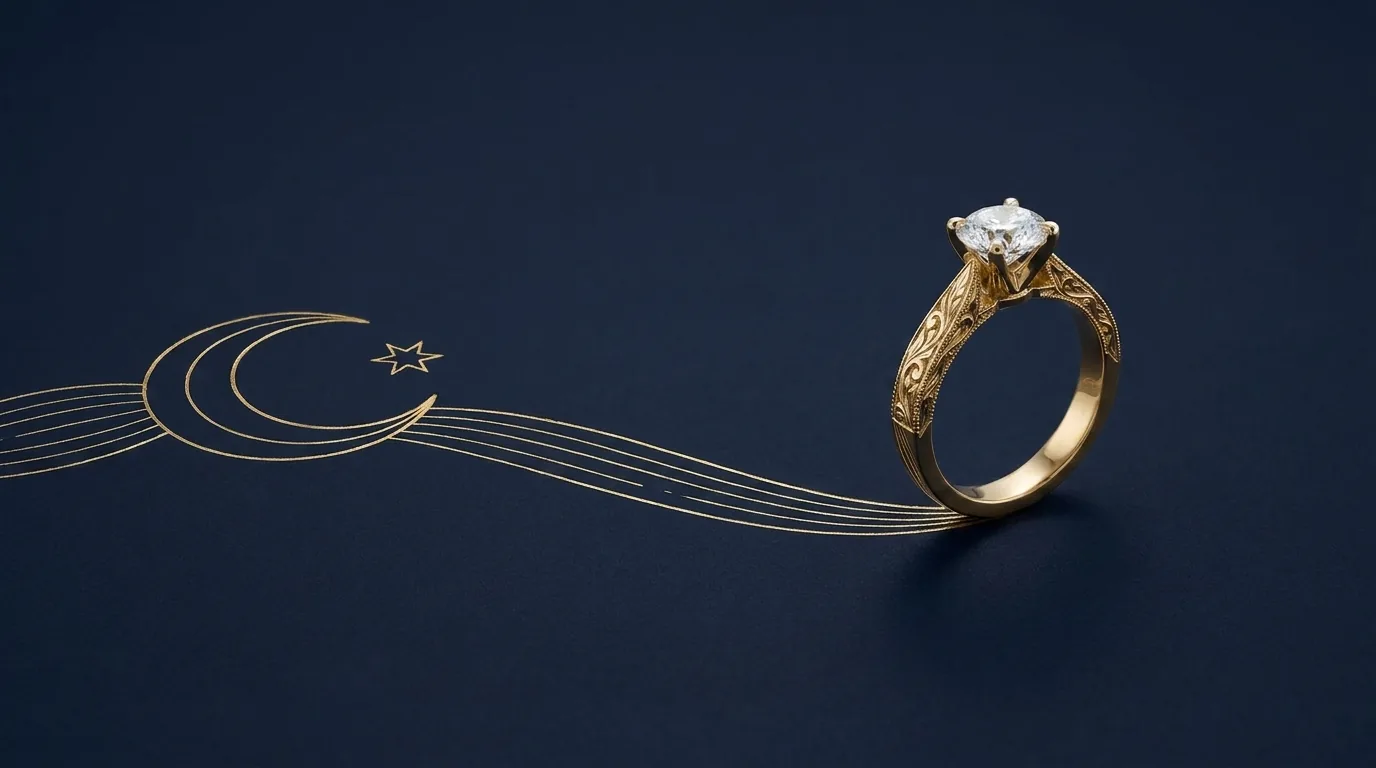
Ask a jeweller for a quote and you get a single figure. What you rarely get, unless you ask well, is any sense of what that figure is made of. This matters more than it sounds, because a ring’s price is not one decision. It is several separate ones, stacked on top of each other, and each carries its own weight in the total.
This is not a piece about what a bespoke or custom engagement ring should cost. For a walk through typical pricing bands, this guide already covers that ground. What follows is different: how to look at a quote you already have and understand what is actually in it, so you can judge whether it is fair on its own terms rather than against a headline number from somewhere else entirely.

The stone usually carries the most weight, and not in the way people expect
Carat measures weight, not size, and the two only loosely correlate once cut is taken into account. What surprises most buyers is that price per carat does not rise in a straight line as weight increases. It steps up sharply just above certain round-number weights, half a carat, a full carat, two carats, because stones at those exact weights are genuinely scarcer and because buyers specifically want a round figure on a certificate. The practical consequence: a stone bought just under one of those thresholds can look and measure almost identically to one just above it, for a noticeably smaller outlay. If two quotes for what looks like the same size of stone come back very different, this is one of the first places to look.
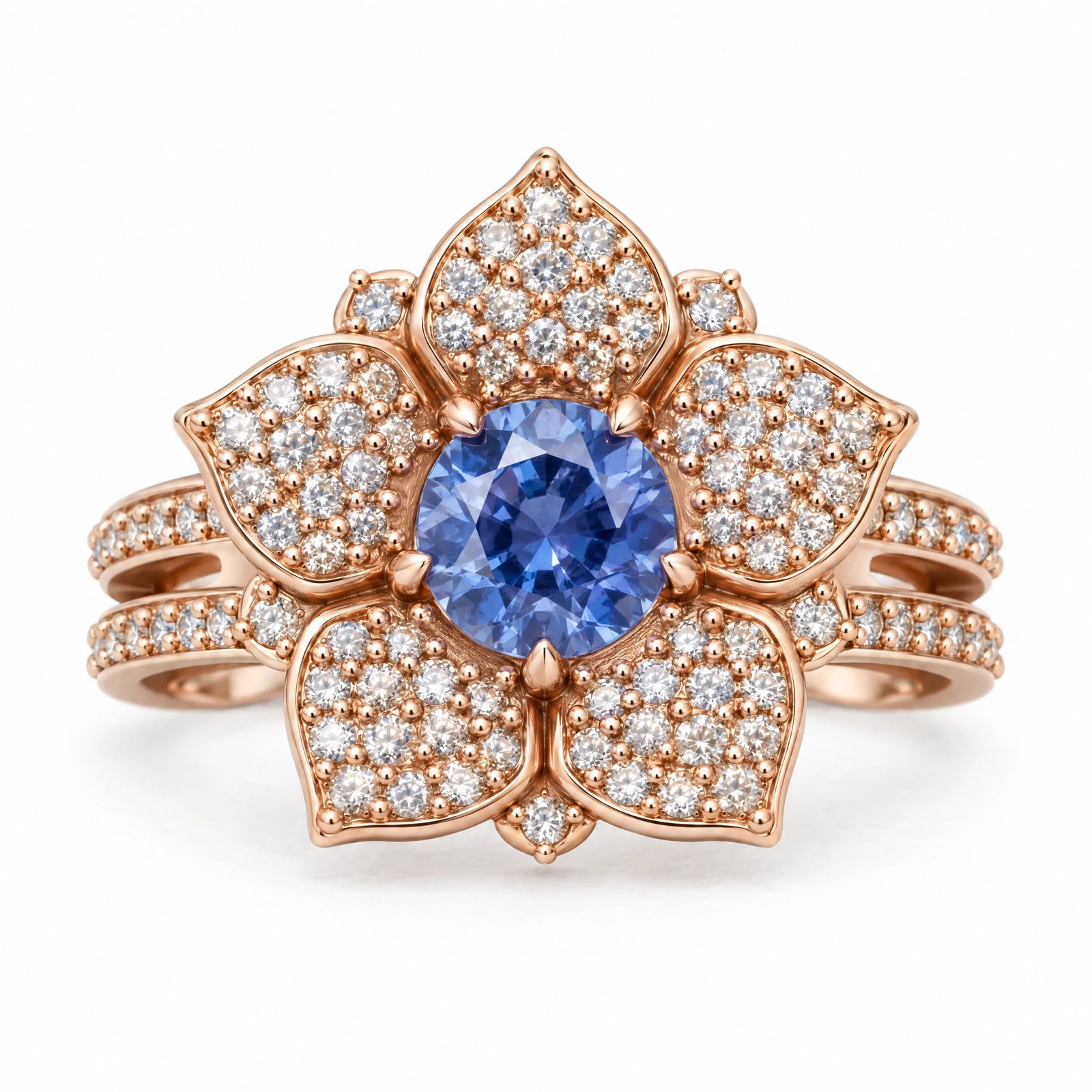
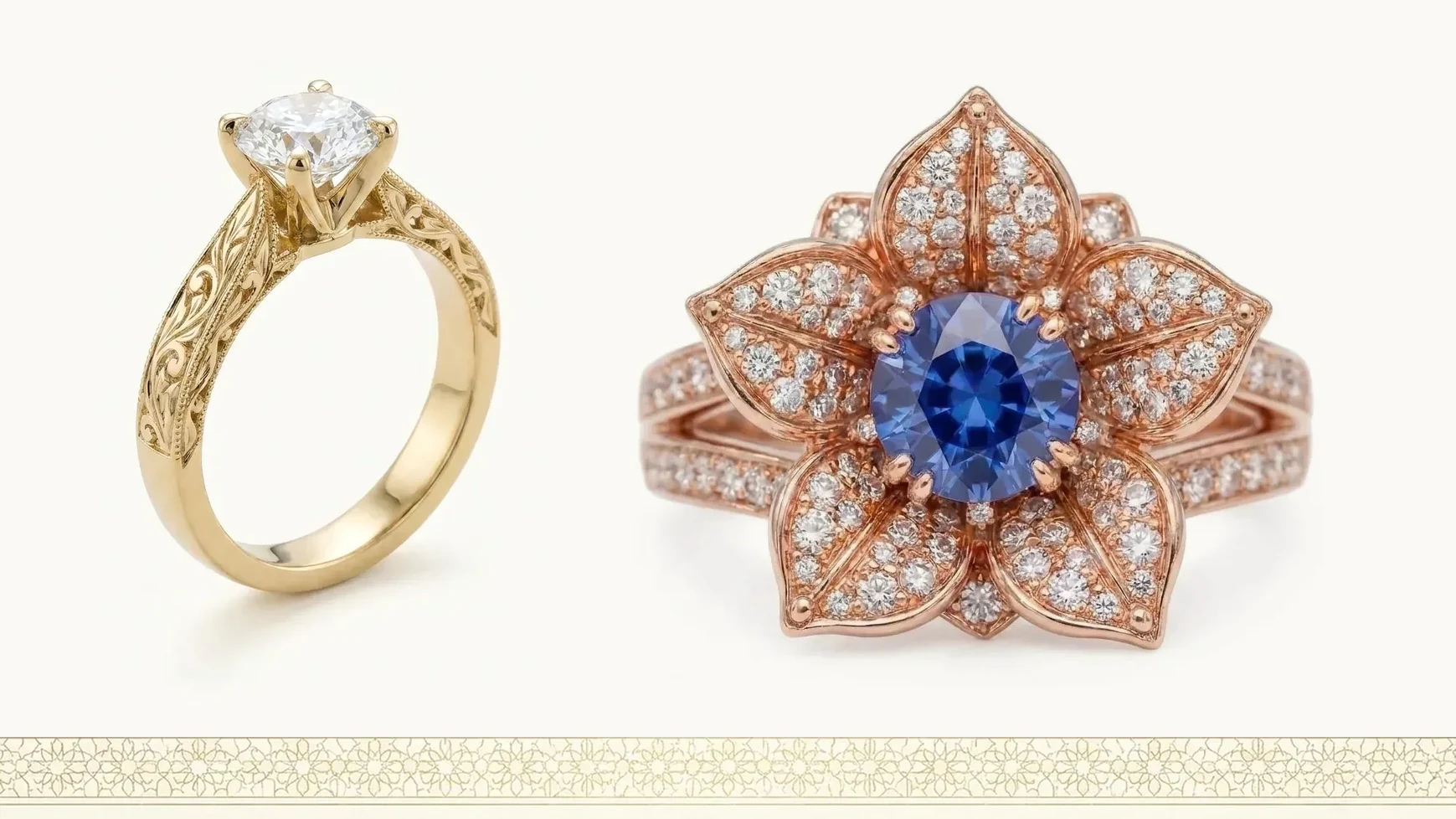
Coloured stones behave differently again. Diamonds are graded and priced against a framework the whole trade broadly recognises, which is why two independent quotes for a comparable diamond tend to land in a similar place. No equivalent trade price list exists for sapphires, rubies, emeralds or the wider family of coloured gems, so pricing rests far more on the individual dealer and the individual stone. Two quotes for what look like similar coloured stones can differ by a wide margin, and both can be entirely honest.
The metal is not just a colour choice
What a ring is made of changes the total in ways that go beyond how it looks. Platinum, 18ct gold and 9ct gold sit at different points on cost for straightforward reasons: how much of each alloy is actually precious metal, the market price of that metal on a given day, and how dense it is. A denser metal needs more of itself, by weight, to fill the same design, so a platinum version of a ring will typically use noticeably more metal than the same design cast in gold. Colour on its own, yellow, white or rose, generally does not move the price much. What can move it is finish and upkeep: a white metal that needs periodic replating carries a small ongoing cost that a quote will not always mention unless you ask about it directly. More on choosing between them here.
Setting complexity is bought in hours, not grams
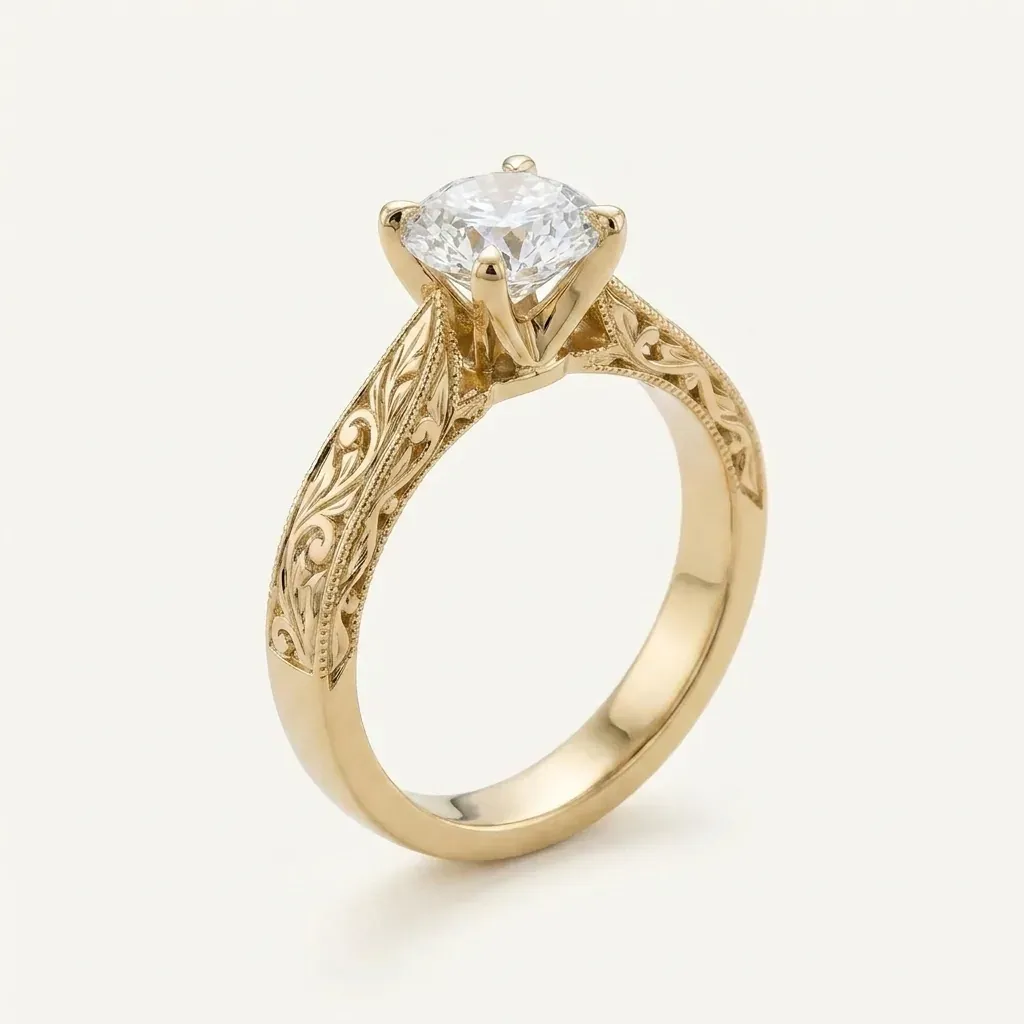
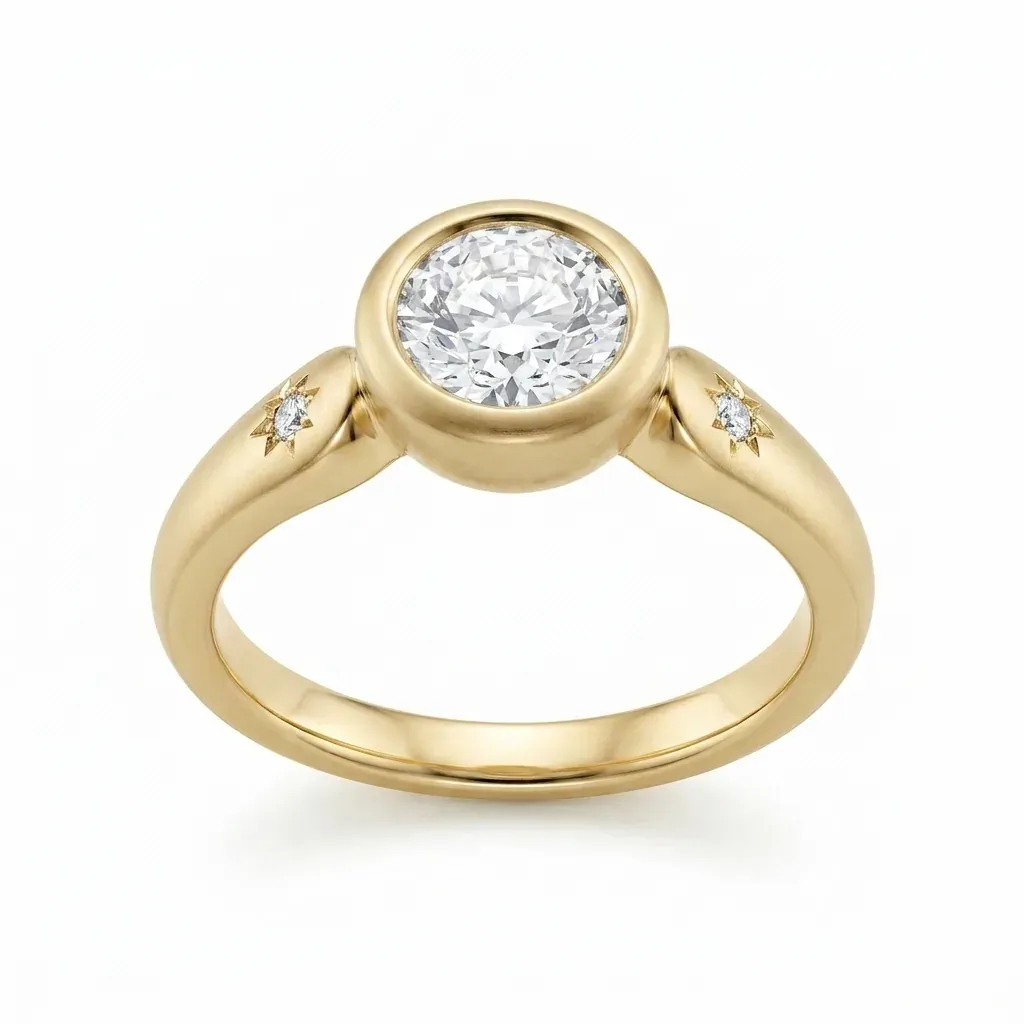
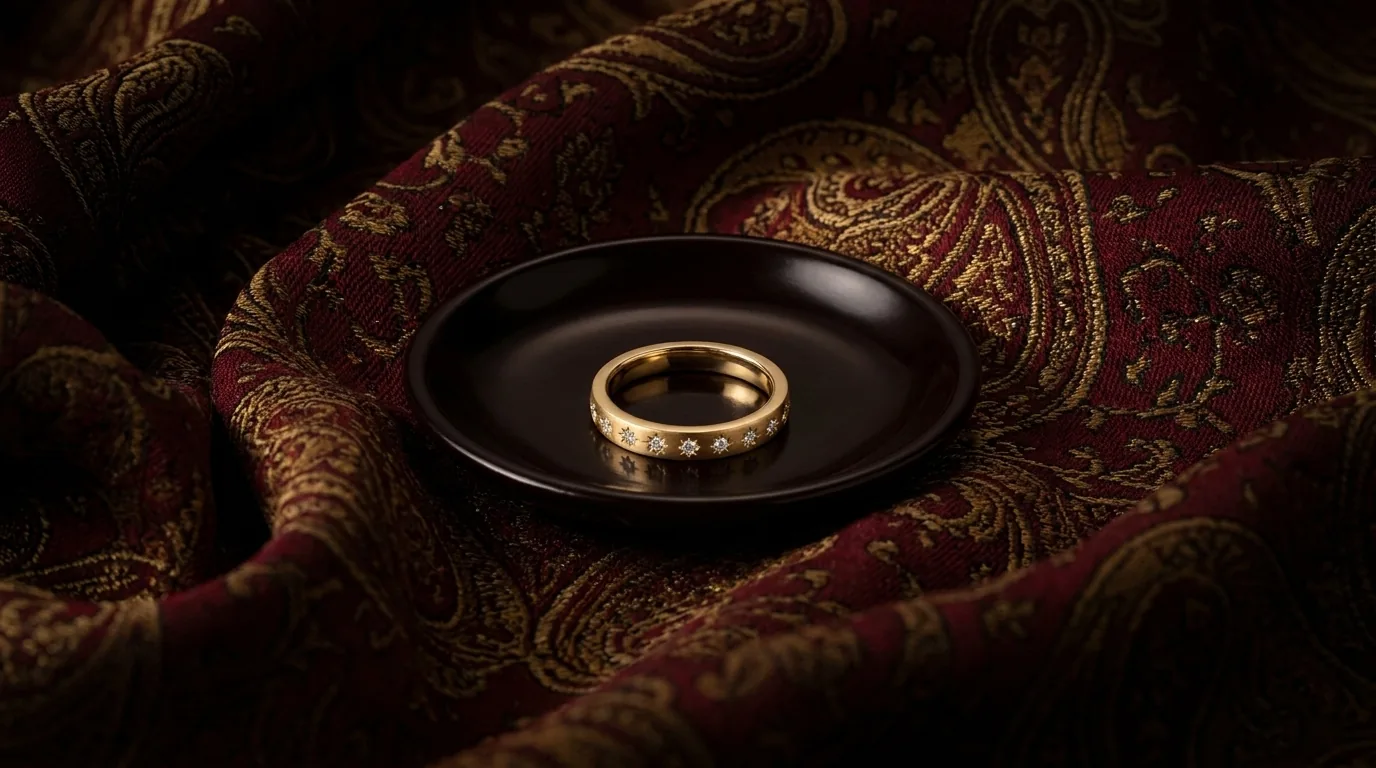
A single stone held by a handful of claws is one of the fastest things to set. A band carrying dozens of small stones set by hand, each one seated and secured individually, is a different order of work entirely. So is a bezel, where the metal has to be shaped and burnished around the stone without moving it a fraction out of true. More stones and more hand-finishing mean more hours at the bench, and those hours are as much of what a quote is paying for as the raw materials. A design that looks only slightly more intricate on paper can carry a meaningfully larger labour component than it appears to.
Cast or hand-fabricated: two routes to the same design
Most rings are made one of two ways. Casting pours molten metal into a mould taken from a model, usually a digital one. Hand fabrication builds the piece directly from sheet and wire, shaped, soldered and finished by hand from the start. The two are not interchangeable in cost or in character, and different designs genuinely suit one method over the other. A jeweller who can tell you which route your ring is taking, and why that route fits your particular design, is telling you something real about how the price was arrived at.
The maker’s time is the part people forget to ask about
Design work, revision rounds, hallmarking, setting, polishing and final finishing are all hours, separate from the cost of stone or metal. A design approved after several honest rounds of feedback will usually carry more labour than one signed off on the first sketch, and that is not a sign of inefficiency. It generally means the maker took the brief seriously rather than rushing something through. Hallmarking itself, a legal requirement on most precious metal jewellery sold in the UK, is a further step with its own small cost, and one worth confirming is included rather than assumed.
The question that actually helps
It is tempting to think the fix here is to ask for an itemised breakdown: the stone costed separately from the metal, from the setting, from the hours. Do not ask for that. It is not how most studios price work, and a maker who prices by the piece rather than by the line item is not being evasive by declining to produce one.
Ask something more useful instead. What is actually driving this price: is it mostly the stone, mostly the metal, or mostly the hours at the bench? And follow it with the half that matters more: if I wanted to spend less, which of those would you change first?
A maker who can answer that standing at a counter, without needing to go away and work it out, is telling you they have already thought about your piece in those terms. That single answer tells you almost everything an itemised quote would, and it points you at the one lever that actually moves the number, rather than leaving you to guess at all five. If you are weighing up a commission of your own, the process itself is worth understanding before that conversation starts.