A ring earns more daily contact than any other piece of jewellery a person owns. Hands open doors, grip steering wheels, do the washing up and type through most of a working day, and a ring travels along for all of it. That is not a sign that anything has gone wrong. It is simply what an engagement ring is built for, whether bespoke or bought off a shelf, and understanding what daily wear actually does to one, along with the handful of ordinary habits that keep pace with it, means fewer surprises later and a ring that goes on looking cared for rather than merely new.

What daily wear actually does
Search for custom ring aftercare online and most of what comes up is written for jewellery bought off a shelf, rather than something made to one person’s own design, and a good deal of it sounds more alarming than it needs to be. The truth is plainer than the search results suggest. A ring worn every day picks up small knocks against door frames, kitchen counters, car doors and everything else a hand touches in the course of an ordinary week. None of that is damage in any serious sense, and it is not a reflection of how carefully a ring was made. It is simply what wearing a ring, rather than keeping it in a box, actually involves, and it is worth expecting rather than worrying about.
The plating that quietly wears thin
White gold is usually finished with a thin layer of rhodium plating, which is what gives it that crisp, mirror-white shine. Left unplated, the gold underneath often reads as a softer, less white colour. That plating wears with everyday use, more on a ring worn constantly than on an earring or a necklace that spends most of its life in a box, and it will eventually need reapplying. This is simply part of owning a piece in white gold, not a fault in the piece itself, and it is worth knowing from the outset rather than finding out later. Platinum, white or yellow gold covers the differences between metals, and what each is actually like to live with, in full.
The one habit worth building
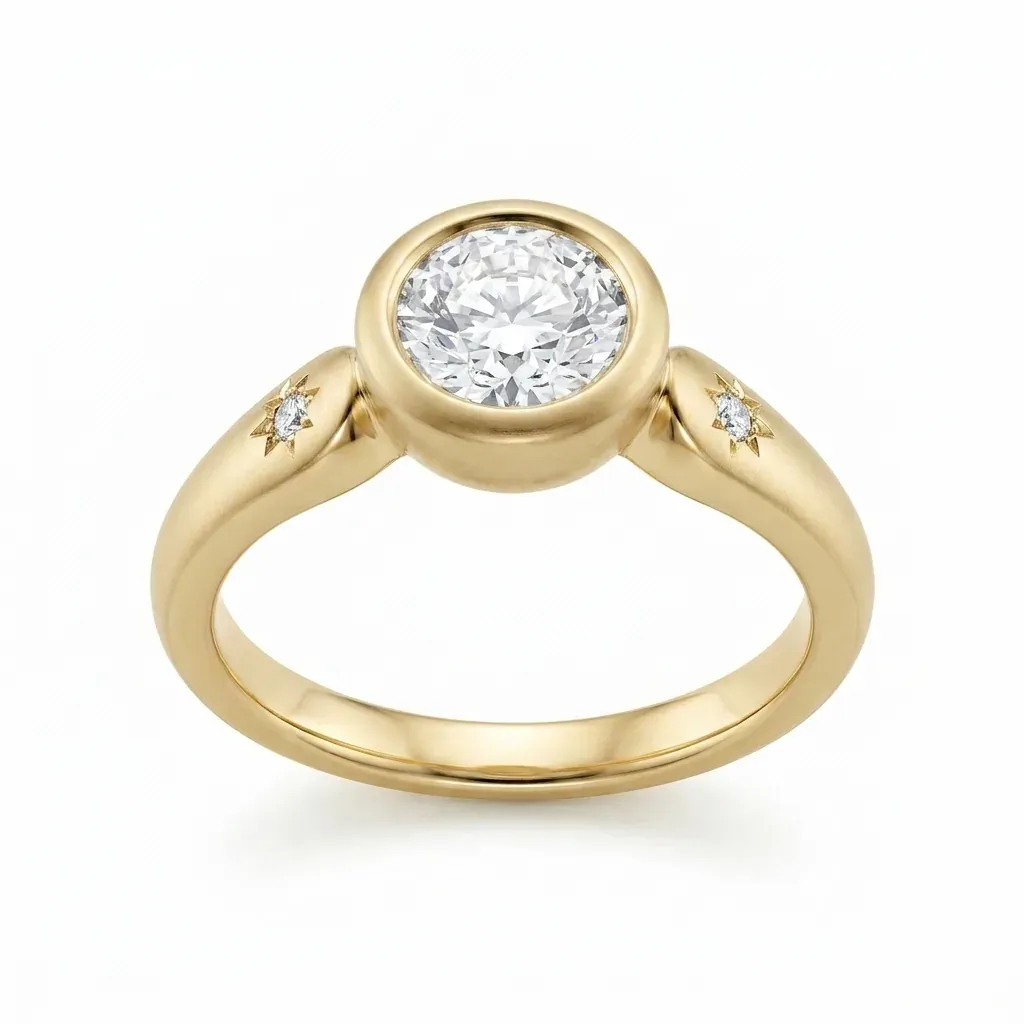
Claws and prongs are what actually hold a stone in place, and like anything handled every day, they can loosen very slightly over time. That happens gradually, well before a stone is genuinely at risk of coming free, and the gap between the two is a wide one. That gap is exactly why it is worth having a jeweller glance over the setting from time to time, as an ordinary part of owning a ring rather than something reserved for when a stone already feels loose or catches on a jumper. A jeweller can check a setting in a few minutes, confirming each claw still sits where it should, and most of the time there is simply nothing to do. There is no single interval that suits every setting and every level of wear, so it is worth asking your jeweller directly what they would recommend for your particular piece. Of everything in this article, this single habit does the most good: an unhurried look, treated as routine rather than kept for when something already feels wrong.
Everyday chemicals
Ordinary daily life brings a ring into contact with more than knuckles and door handles. Chlorine is worth knowing about specifically: it can, over time, dull or discolour some metals and the plating on top of them, and the same goes for the stronger soaps and cleaning products used around the house. None of this needs to be treated as a hazard, and nobody needs to live carefully around a ring worn every day. It simply makes sense to take a ring off before swimming, before a proper clean of the house, and before any heavy manual or garden work, rather than wearing it through absolutely everything a day happens to bring.
How dirt collects, and where
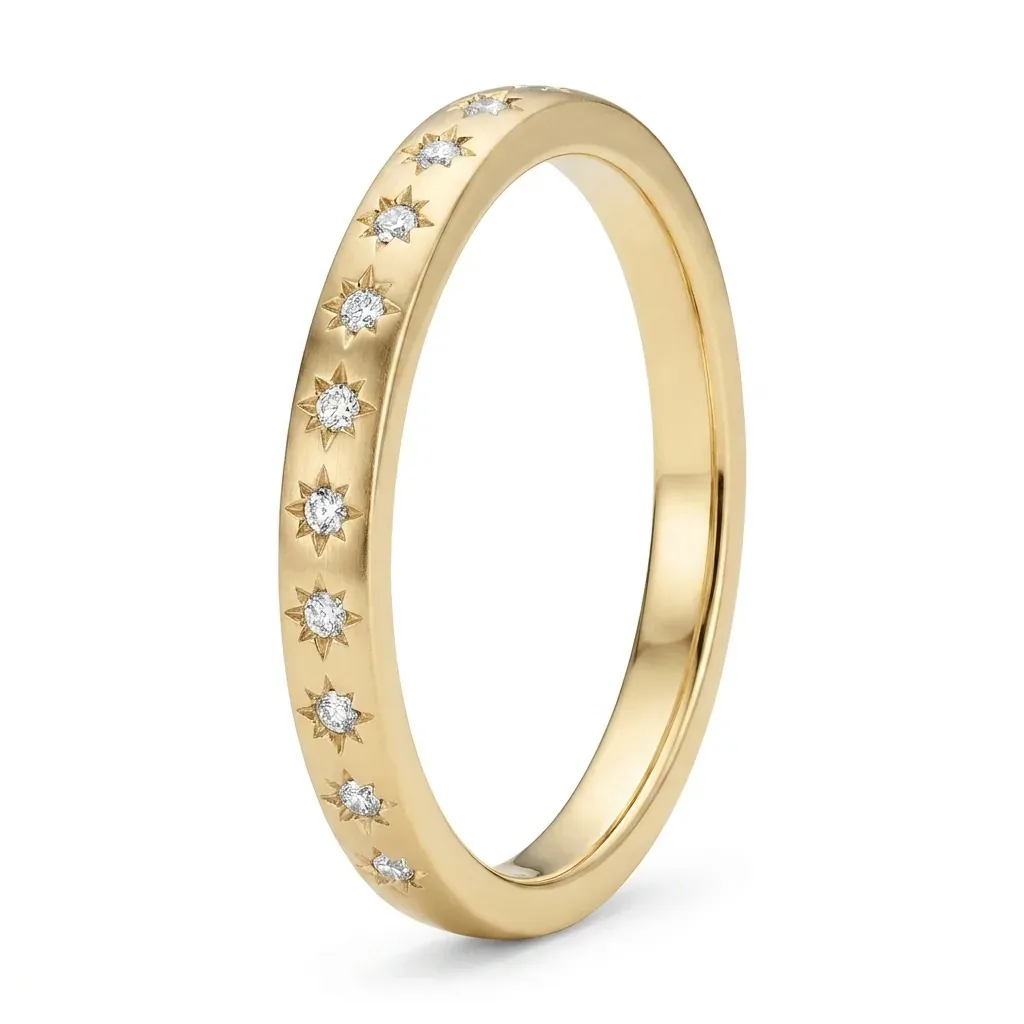
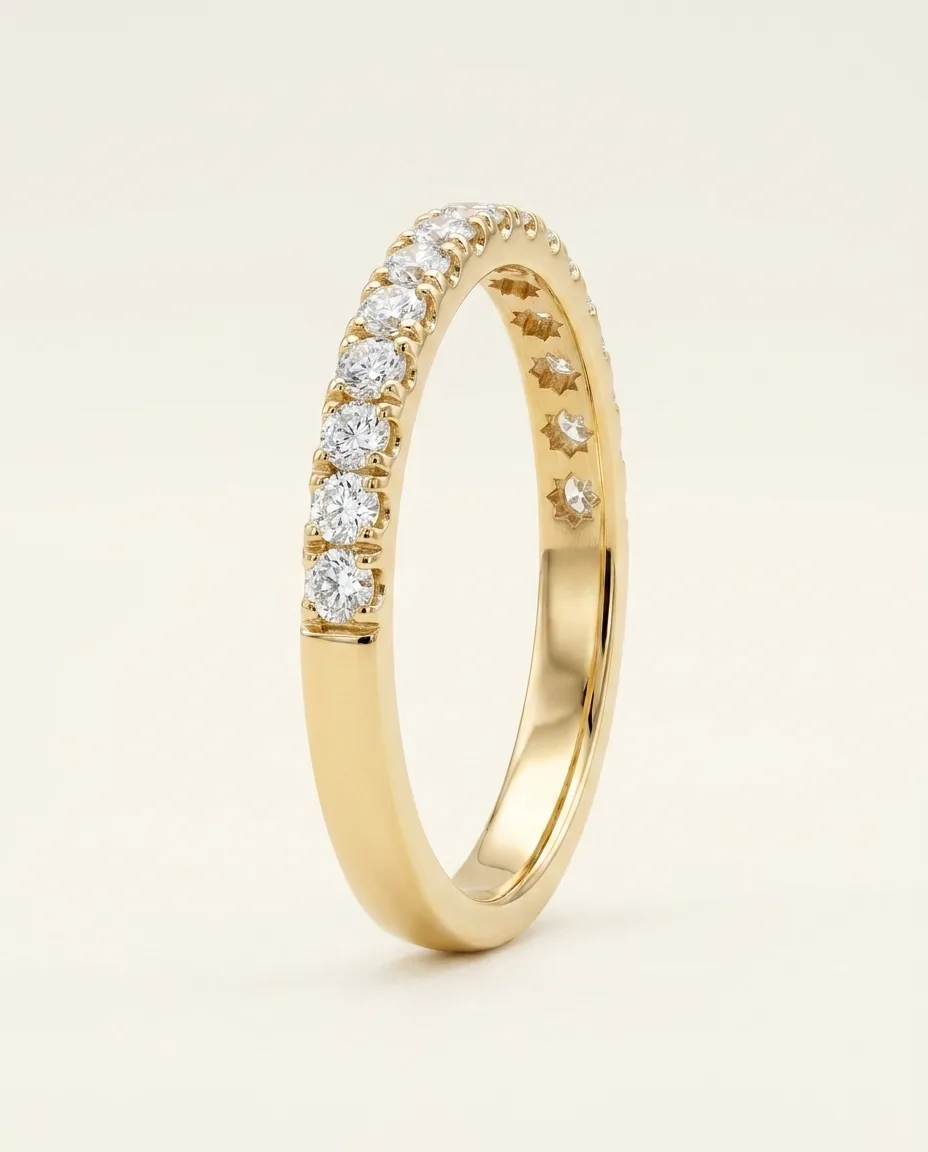
How a stone is set changes how it collects everyday dirt, and how much attention that dirt actually needs. An open setting, where metal holds a stone at a small number of points and leaves the rest of it exposed, lets light and air reach most of the stone and is generally straightforward to clean at home with nothing more than warm water and a soft brush. A more densely set surface, with stones held close together across more of the piece, traps skin oil and soap residue in more places and asks for a little more regular attention to keep looking its best. Neither is difficult to live with, once the difference is understood. Engagement ring settings explained covers how each type is actually built and what living with it day to day involves.
The paperwork worth arranging early
One piece of paperwork is easy to leave until later and worth doing sooner rather than later. Many home contents insurers ask for a separate valuation document if a ring is ever lost or stolen, distinct from the receipt or the specification agreed when it was made. Arranging that valuation soon after a ring is finished, rather than leaving it for another day, means the cover is already in place if it is ever actually needed, and it is one less thing to think about later. Hallmark, grading report or valuation sets out what each of the papers around a ring actually is, and which one this is.
Living with it
None of this changes what wearing a ring every day actually feels like. It knocks against things, the same as any watch or wedding band worn daily would, and it asks for the odd bit of ordinary attention across the years it is worn: a periodic check on the claws, a clean with warm water when one is due, a plating refresh eventually if the ring is white gold. None of it is an emergency, and treating it as routine rather than reactive is what keeps a ring looking the way it did when it was new, for as long as it is actually worn.