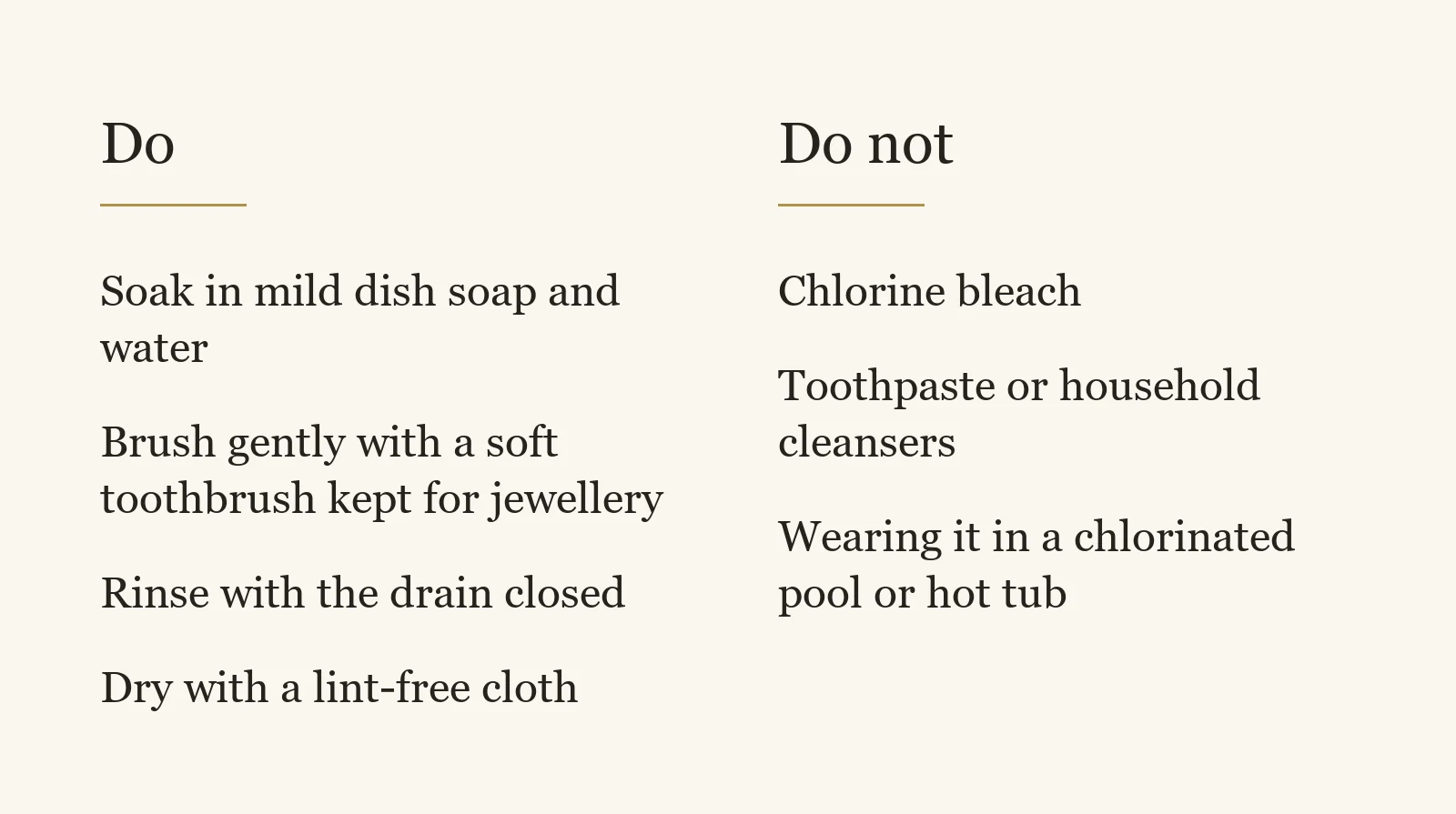
Soak the ring in water with a few drops of mild dish soap, brush it gently with a soft toothbrush kept for the purpose, rinse with the drain closed and dry with a lint-free cloth. Never use chlorine bleach, toothpaste or household cleansers: they can damage the gold alloy or scratch the metal. Not for rings with a closed back or fragile settings: see below.

What is the safest way to clean a diamond or gold ring at home?
The Gemological Institute of America (GIA) gives a simple routine for diamond jewellery [1]. Soak the ring in a gentle degreasing solution, which it describes as water with a few drops of mild dish soap. Then lift off the dirt with a soft, clean toothbrush that you keep only for jewellery. Brush the back of the stone as well as the front.
Rinse the ring in water and close the drain first. GIA says to dry it with a soft, lint-free cloth [1].
Gem-A, the Gemmological Association of Great Britain, suggests a plastic bowl for the soaking and brushing [2]. That way a loose stone cannot go down a drain hole, and the ring does not meet a hard sink. Neither source gives a soak time.
What should you never use?
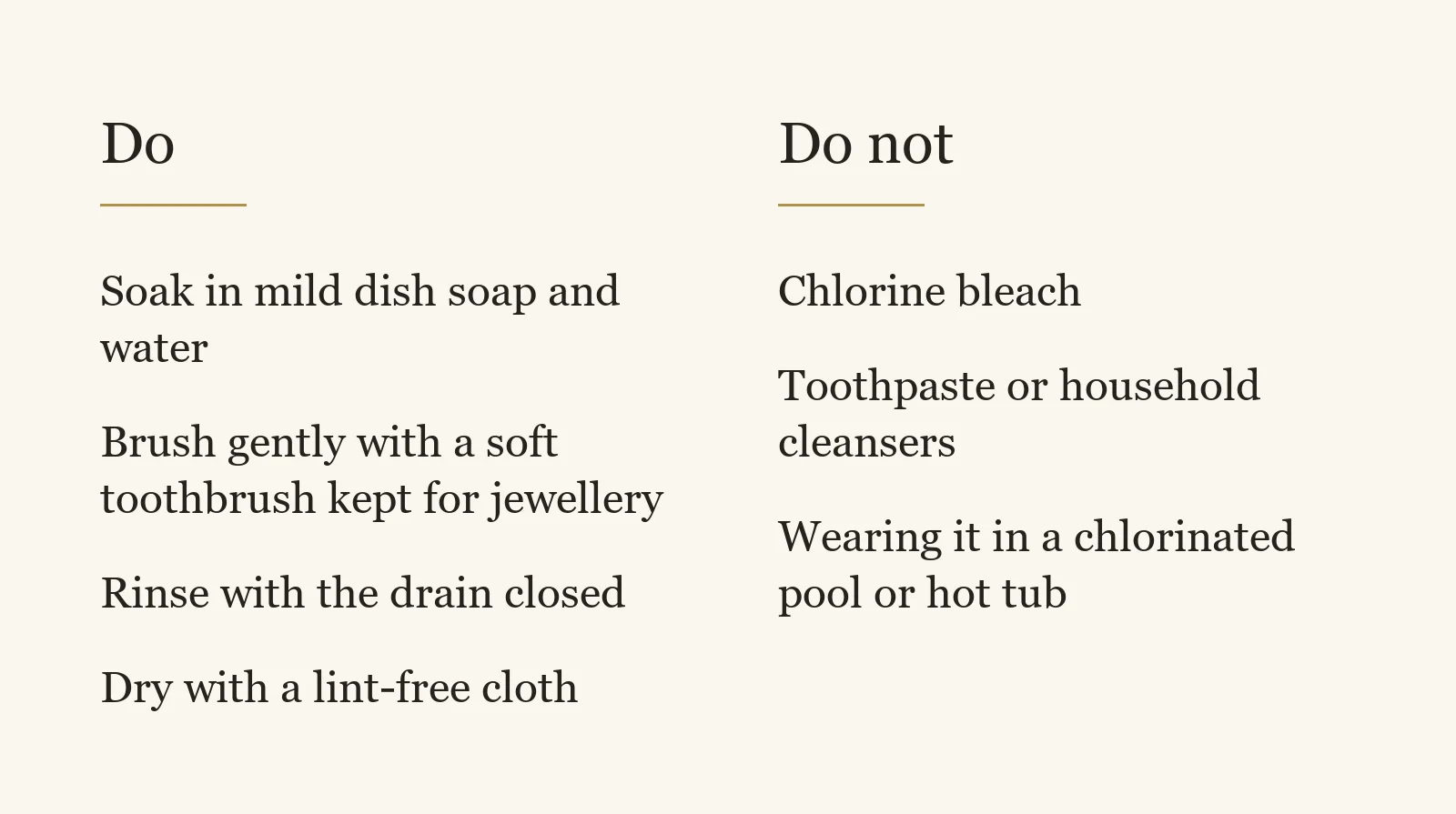
GIA is clear on three things: chlorine bleach, toothpaste and household cleansers [1]. Chlorine can damage some of the metals that are alloyed with gold in a diamond setting. Toothpaste and cleansers are abrasive, and abrasives scratch gold and other metals.
Gem-A adds that household cleaners such as bleach may damage some stones and metals. It also warns that chlorinated water in swimming pools and hot tubs can damage jewellery [2]. Keep the ring out of pools and hot tubs.
Gold and platinum themselves resist chemical attack, says Gem-A. The other metals in their alloys do not. They can dissolve and leave small pits in the surface, and the solder that holds claws in place is especially vulnerable [2].
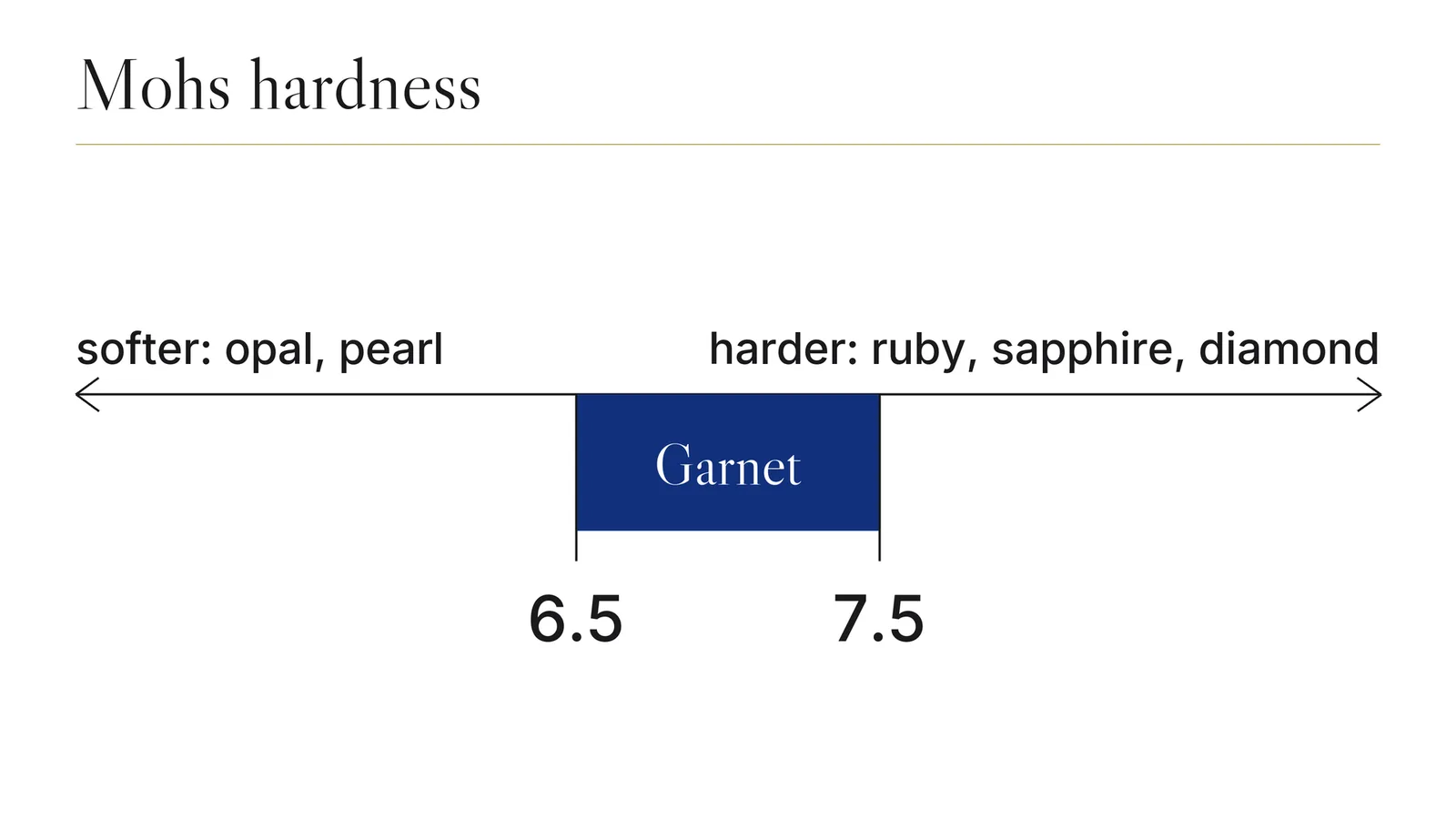
The metal is soft too. Gem-A puts precious metal alloys at about 3 to 4.5 on the scratch hardness scale [2]. So even when a stone is hard, the ring it sits in may be vulnerable to scratching. Gentle brushing is the point.
Does it change if the ring has other stones or a delicate setting?
Yes, a little.
GIA says fragile settings, such as older prongs in antique jewellery and tension settings, where the diamond is held in place by pressure from the shank, should not be scrubbed hard [1]. Brush lightly.
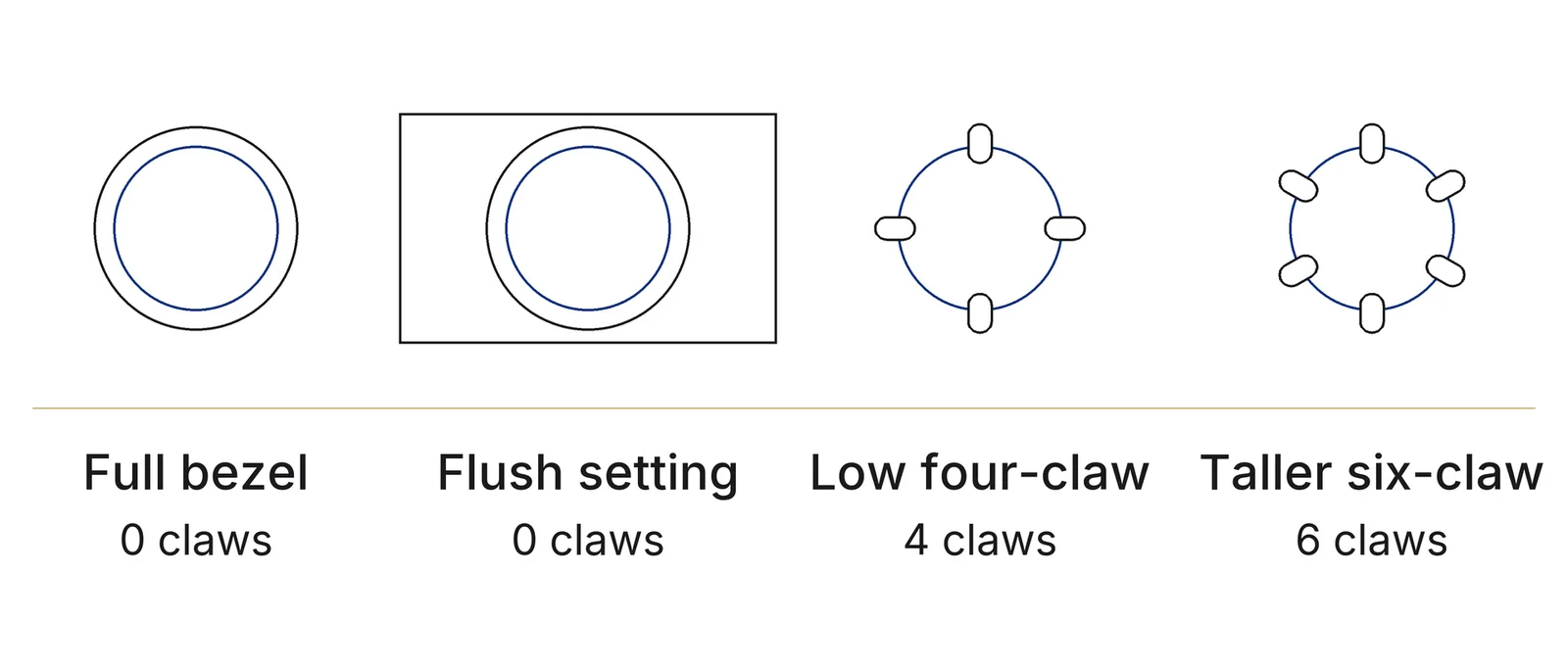
Gem-A says a ring with a closed back, where the stones can be seen only from the front, should not be immersed [2].
GIA also cautions about ultrasonic cleaners. They can shake stones loose or chip the girdle, the edge around the widest part of a diamond. It asks for extra care where a diamond contains feathers or is included, and says to avoid them if the diamond has been treated by fracture filling [1]. GIA says it is best to have your jeweller use an ultrasonic cleaner, and to check the diamond’s grading report for treatments first [1].
How often should you clean it, and when should a jeweller look at it?
GIA’s simple plan is a soak once or twice a week [1]. That is a gentle routine, with no harsh methods in it.
Cleaning at home does not check the ring. GIA says a professional jeweller can look for loose stones and tighten them before cleaning [1]. Gem-A says the security of the settings should be checked at inspection [2].
A ring commissioned from Silux London is invited back for a free check and clean around its first anniversary, in the studio or by insured post.
You can read how a commission works on the bespoke page. For daily wear, see how to care for an engagement ring. If the ring no longer fits well, read whether an engagement ring can be resized.
How we measured
Nothing was measured for this page. The figure restates the steps of the two named sources, GIA and Gem-A, and adds no numbers.
When this does not apply
Gem-A names pearl, coral, opal and fracture-filled emerald among the stones that cleaning fluids can harm [2]. GIA says to have a jeweller check for loose stones before cleaning [1]. This page rests on two sources: GIA’s page, which dates from 2015 and is written for diamond jewellery, and Gem-A’s guide.
Sources
- Gemological Institute of America (GIA), Secrets to Keeping Your Diamond Sparkling, published 10 Dec 2015, opened 10 Nov 2026, https://www.gia.edu/gia-news-research-secrets-keep-diamond-sparkling
- Gem-A (The Gemmological Association of Great Britain), Buying Guide: The Best Ways To Care For Gemstone Jewellery, published 12 Feb 2024, opened 10 Nov 2026, https://gem-a.com/gem-hub/buying-guide-the-best-ways-to-care-for-gemstone-jewellery/
Last checked: 10 Nov 2026.