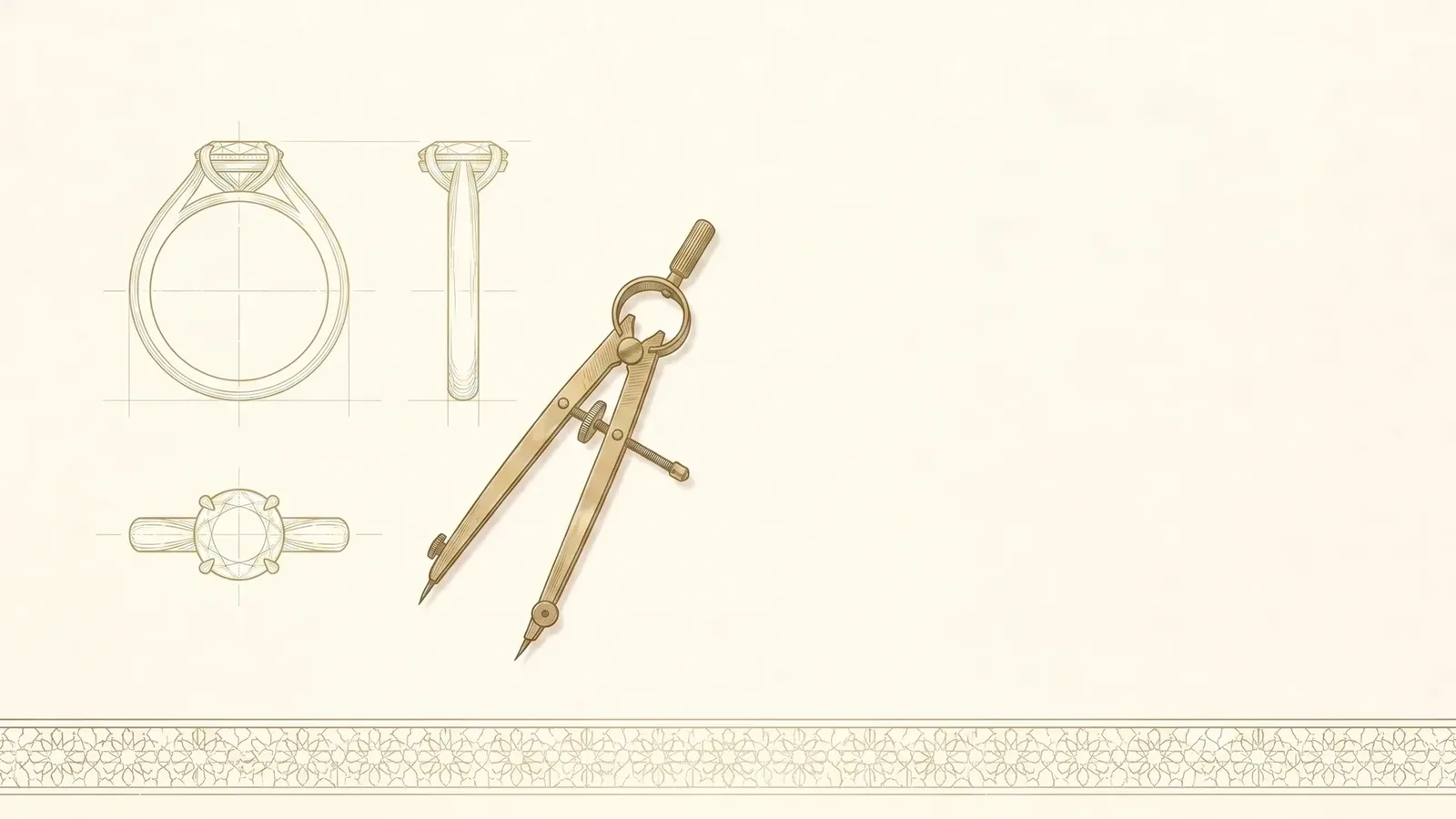
The three papers: hallmark, grading report and valuation
Hallmark, grading report and insurance valuation answer three different questions, from three different issuers. Here is how to tell them apart.
Silux London
Field notes from Silux London: Persian heritage, the craft of made-to-order fine jewellery, and the stories behind the collections.
Hallmark, grading report and insurance valuation answer three different questions, from three different issuers. Here is how to tell them apart.
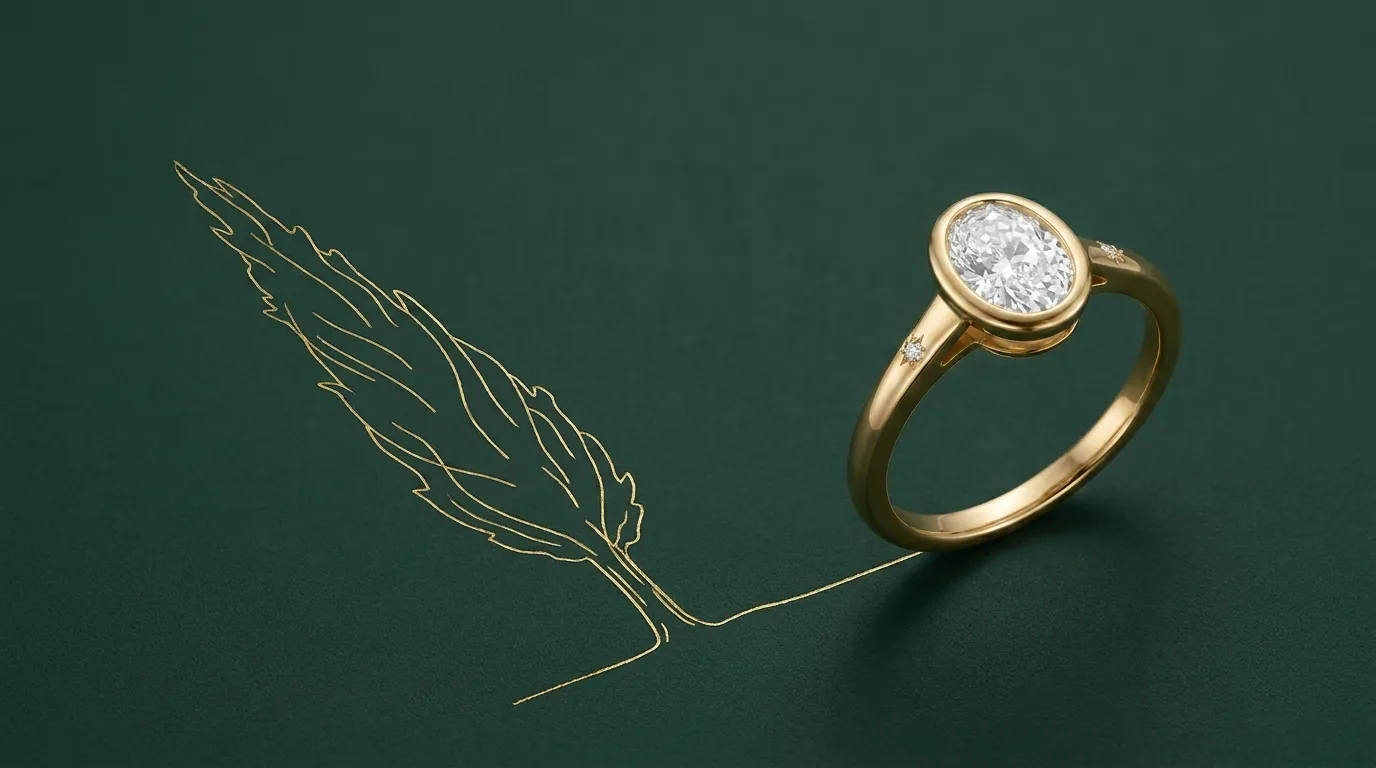
Carat measures weight, not size. How proportion and shape actually decide the way a stone reads on a hand, and what to ask for instead.
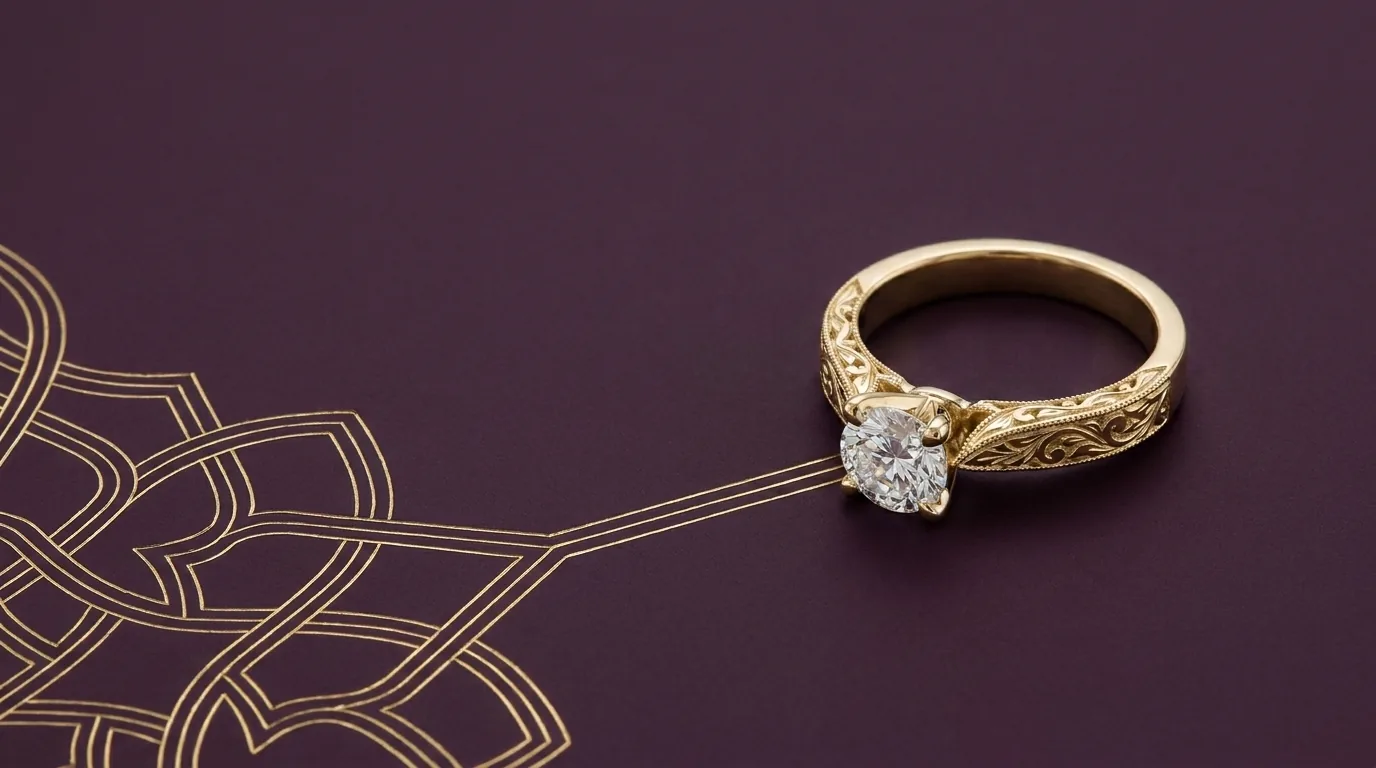
Changing your mind and being given what was agreed are two different rights. On a commissioned ring they point opposite ways.
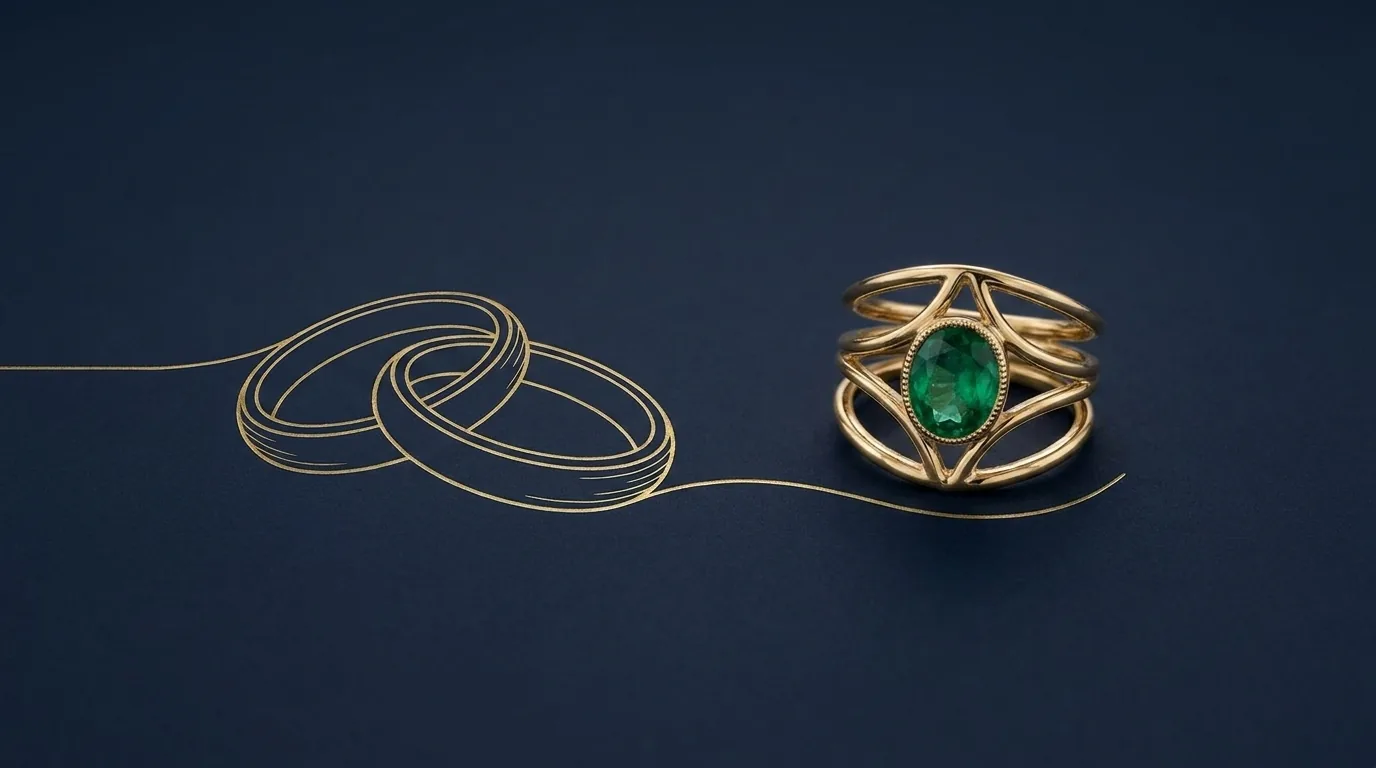
An engagement ring and a wedding band share a finger for a long time. That is a design problem before it is a commercial category.
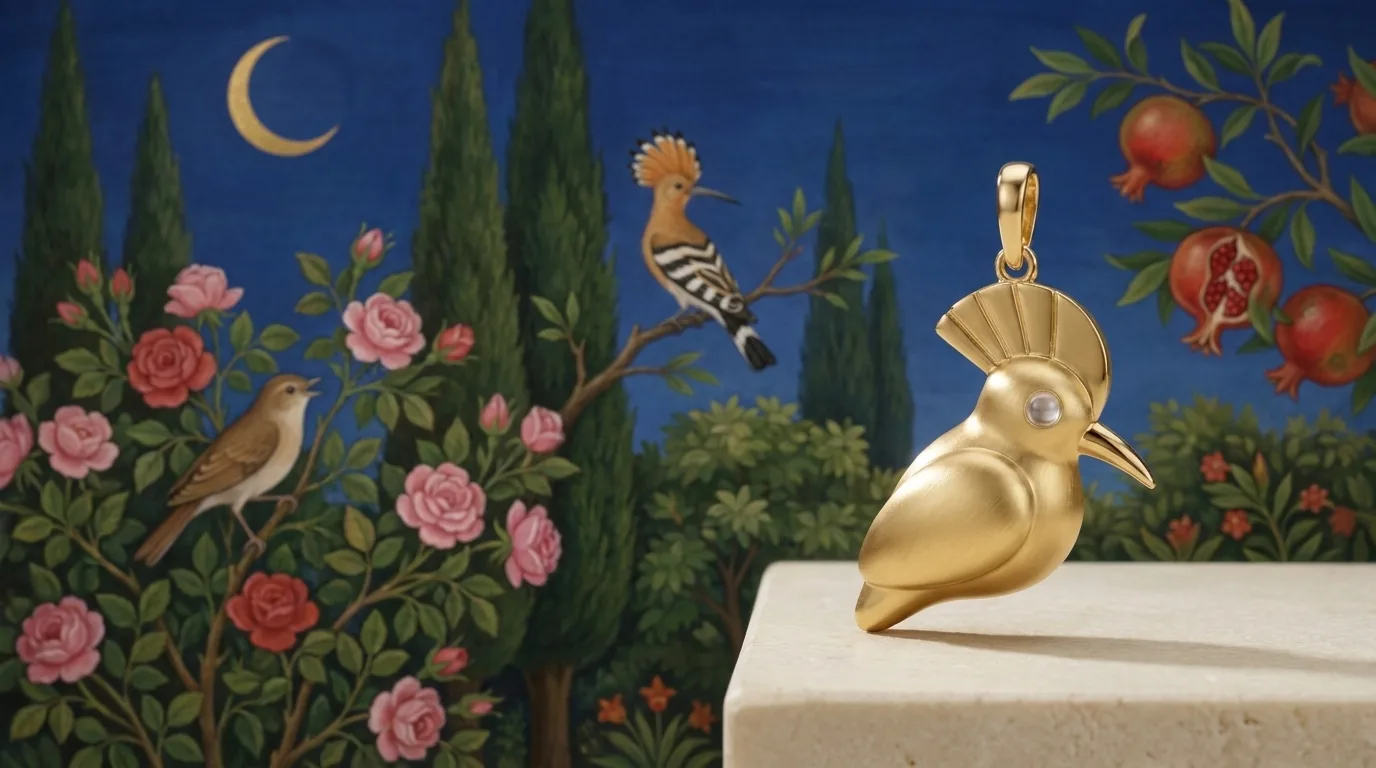
Three design vocabularies from Persian heritage, and what happens when you translate them into solid gold.
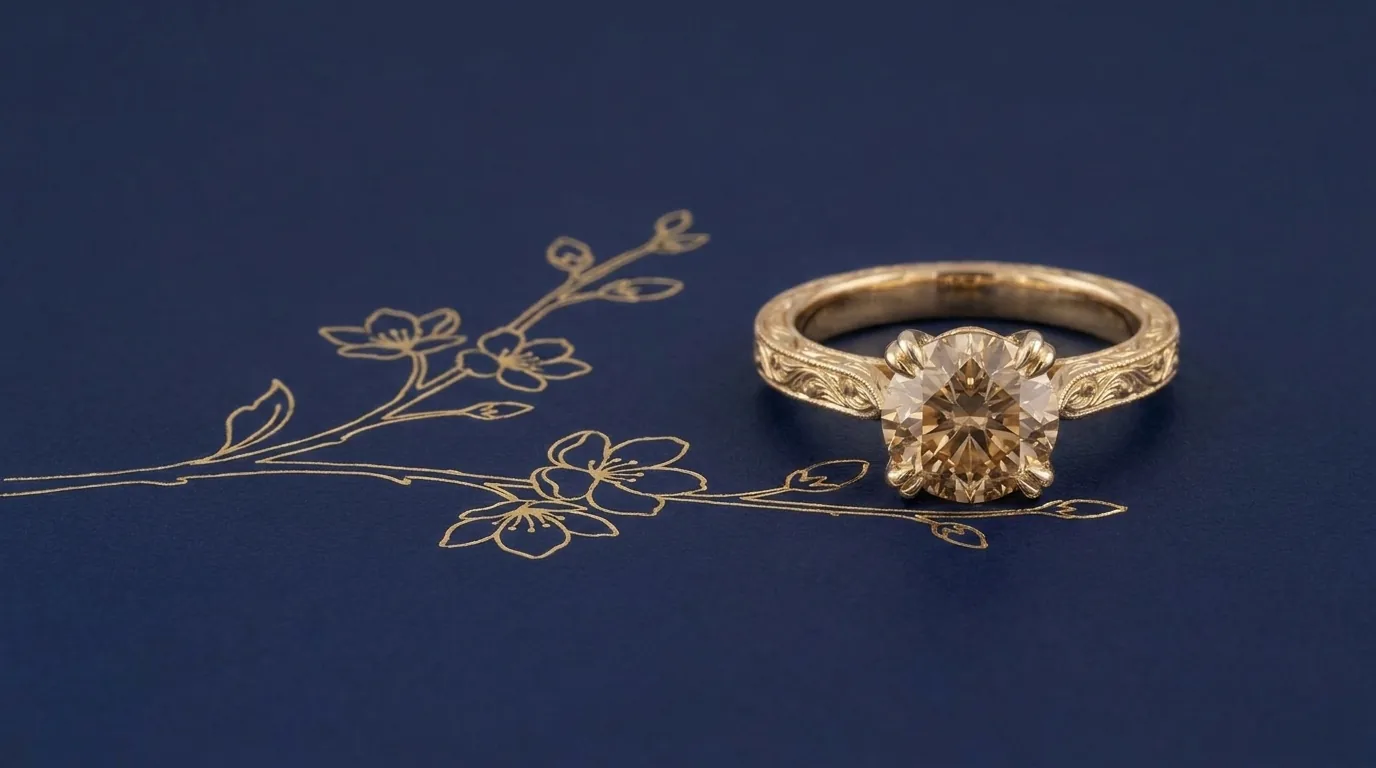
Where the colour comes from, how it is graded, what it costs relative to a colourless stone, and the two questions worth asking before you buy one.
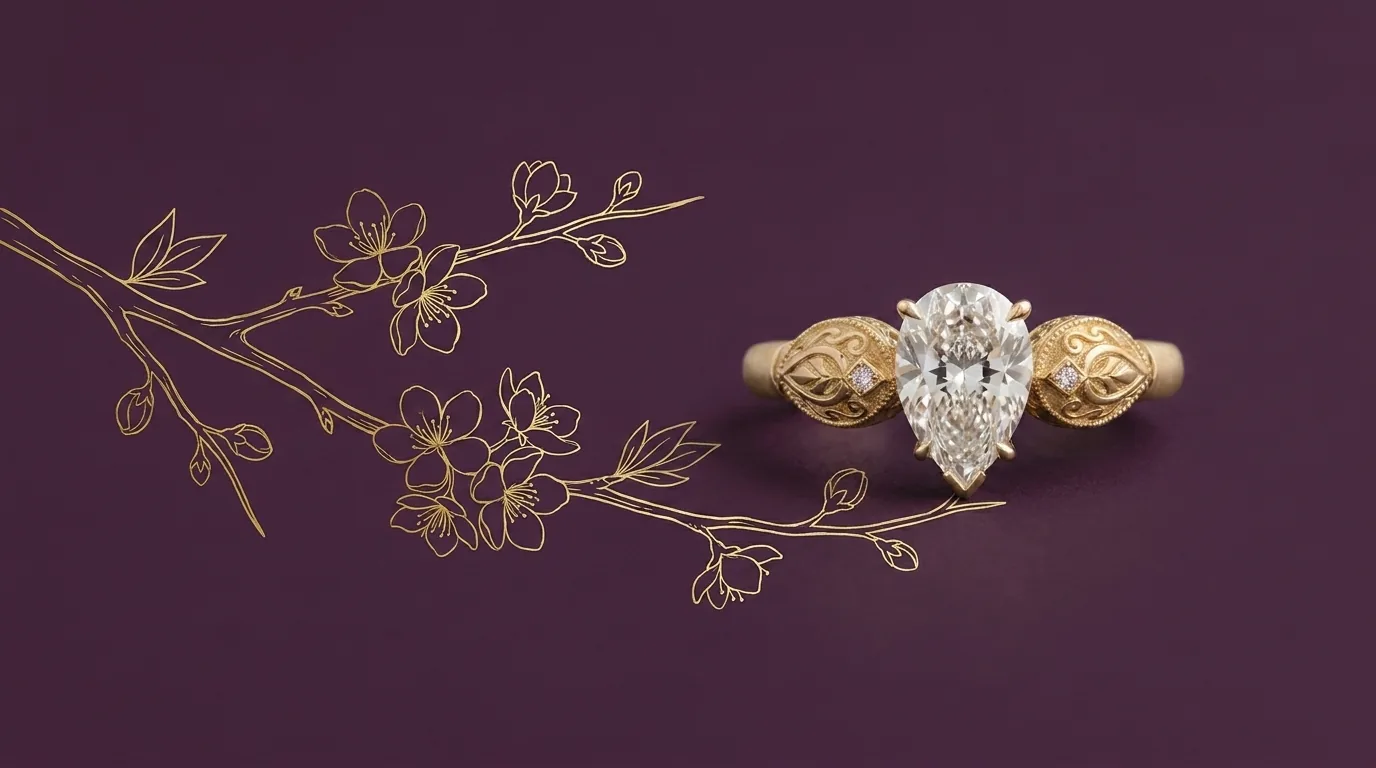
The honest answer needs two numbers, not one: the part the studio commits to, and the part that moves at your pace. Plus how to work back from a date.
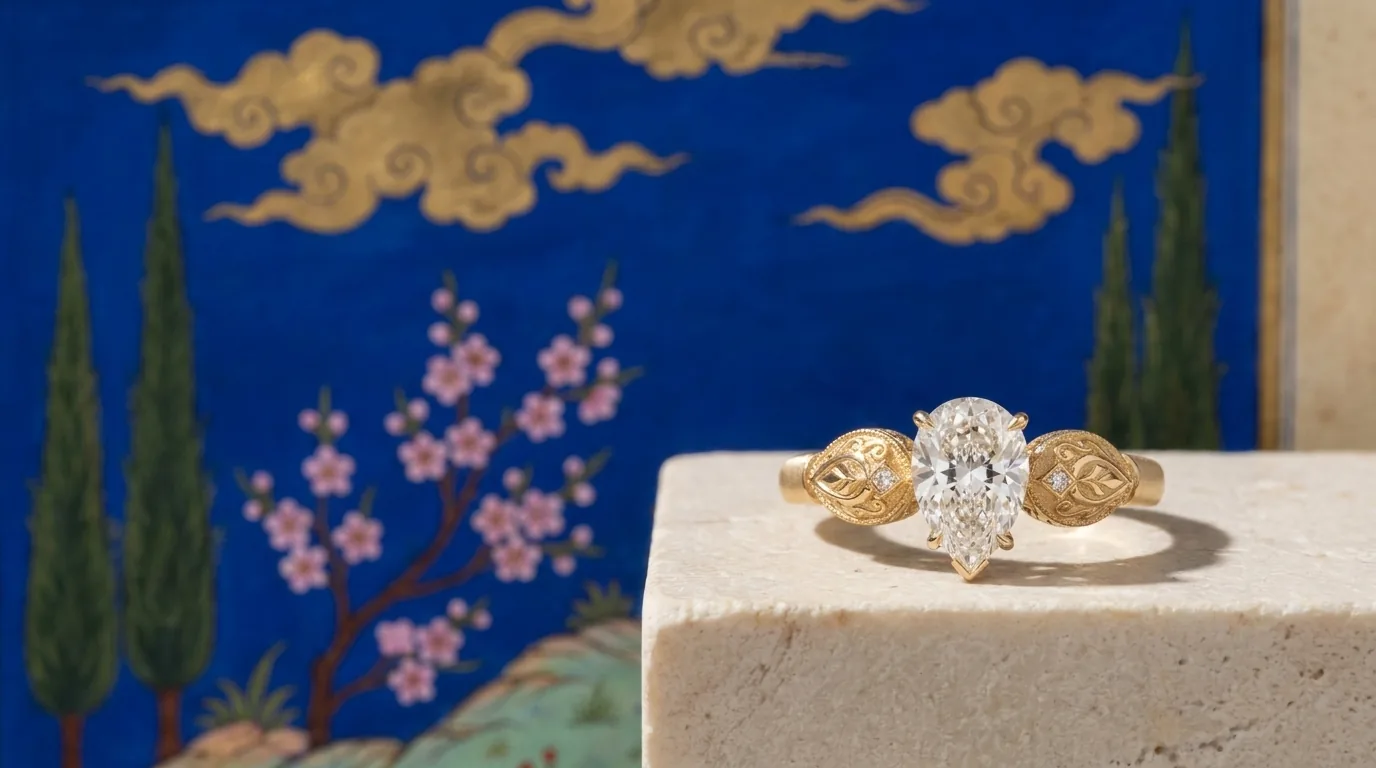
What the commissioning process looks like from first enquiry to finished piece: design, stones, timing, deposit, and what the designer needs from you.
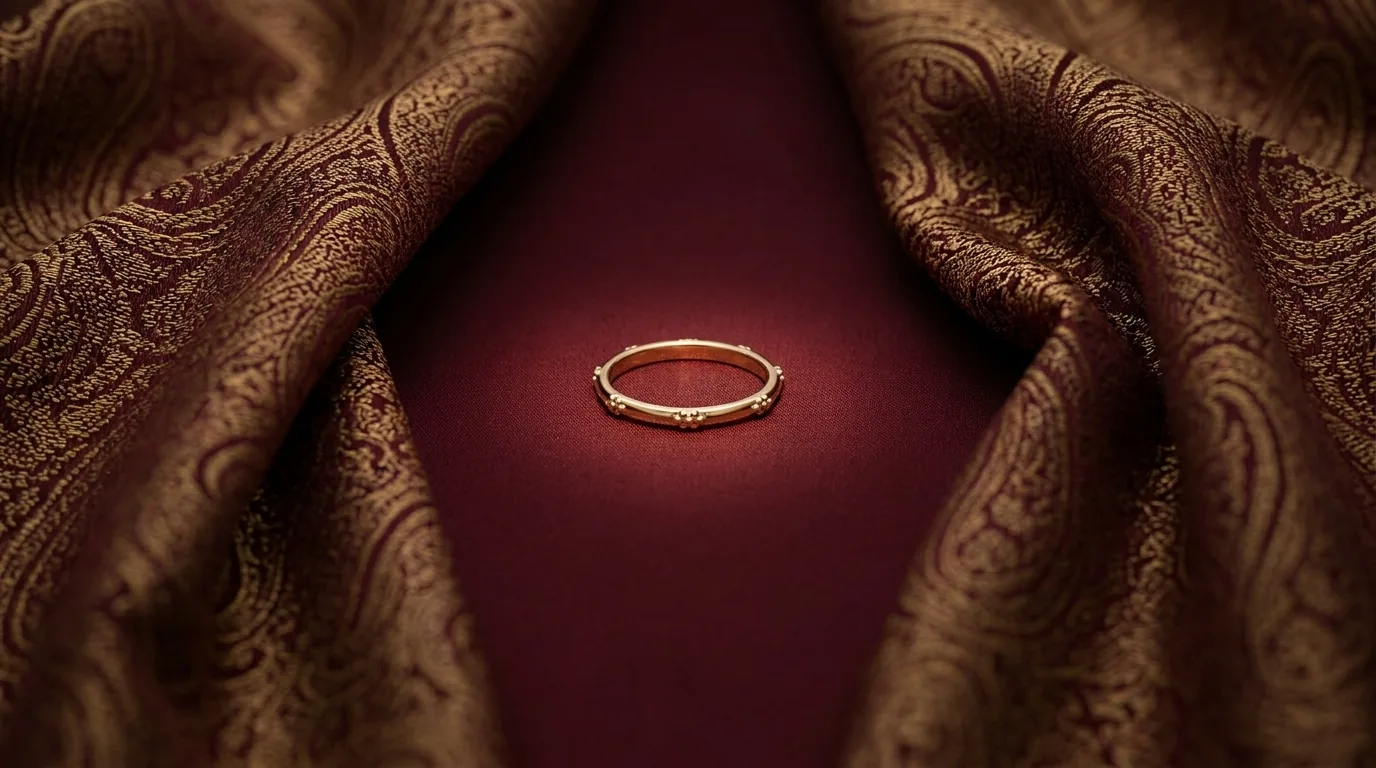
Necklaces, bangles and rings worn together. What makes a stack read as deliberate rather than accidental, and the older tradition it comes from.
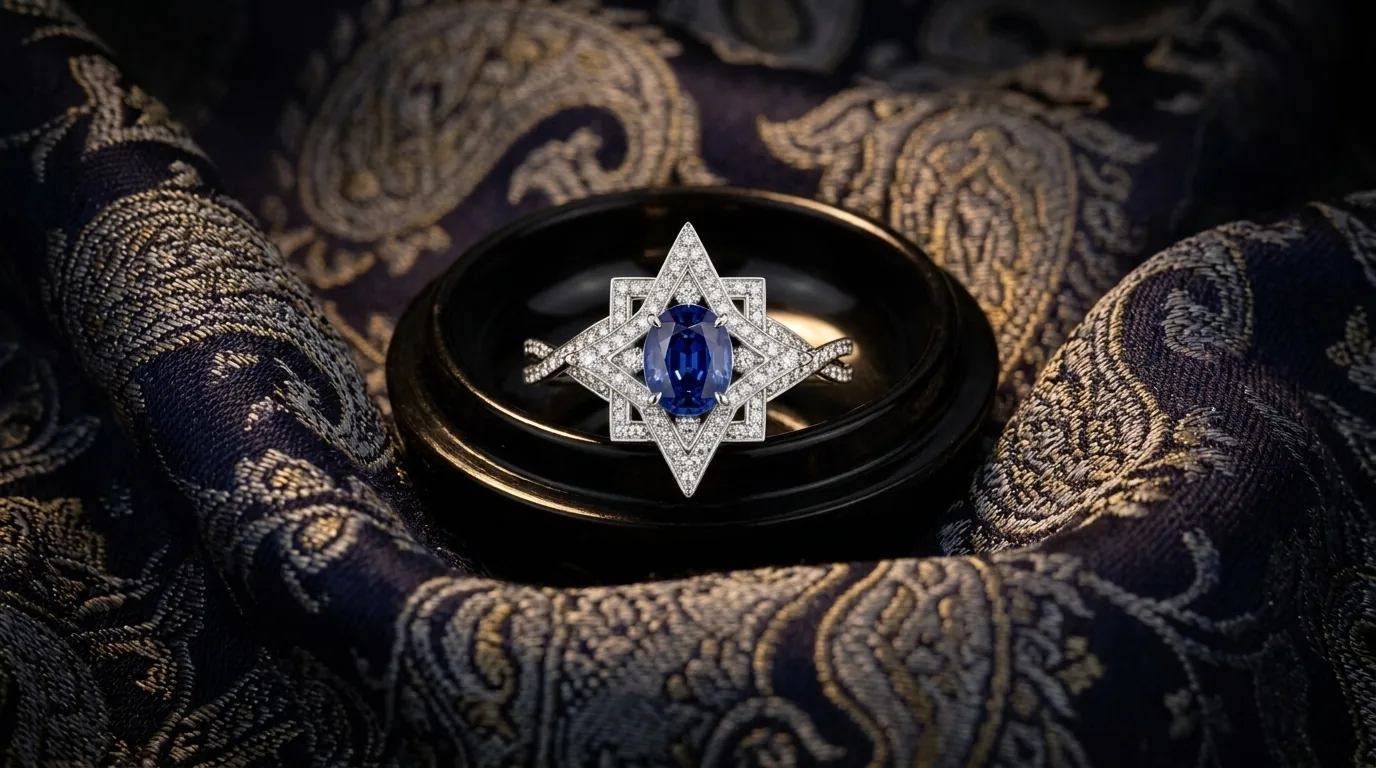
Old European, old mine and rose cuts throw light in a way modern cutting designed out. What differs, how to set them, and when not to recut.
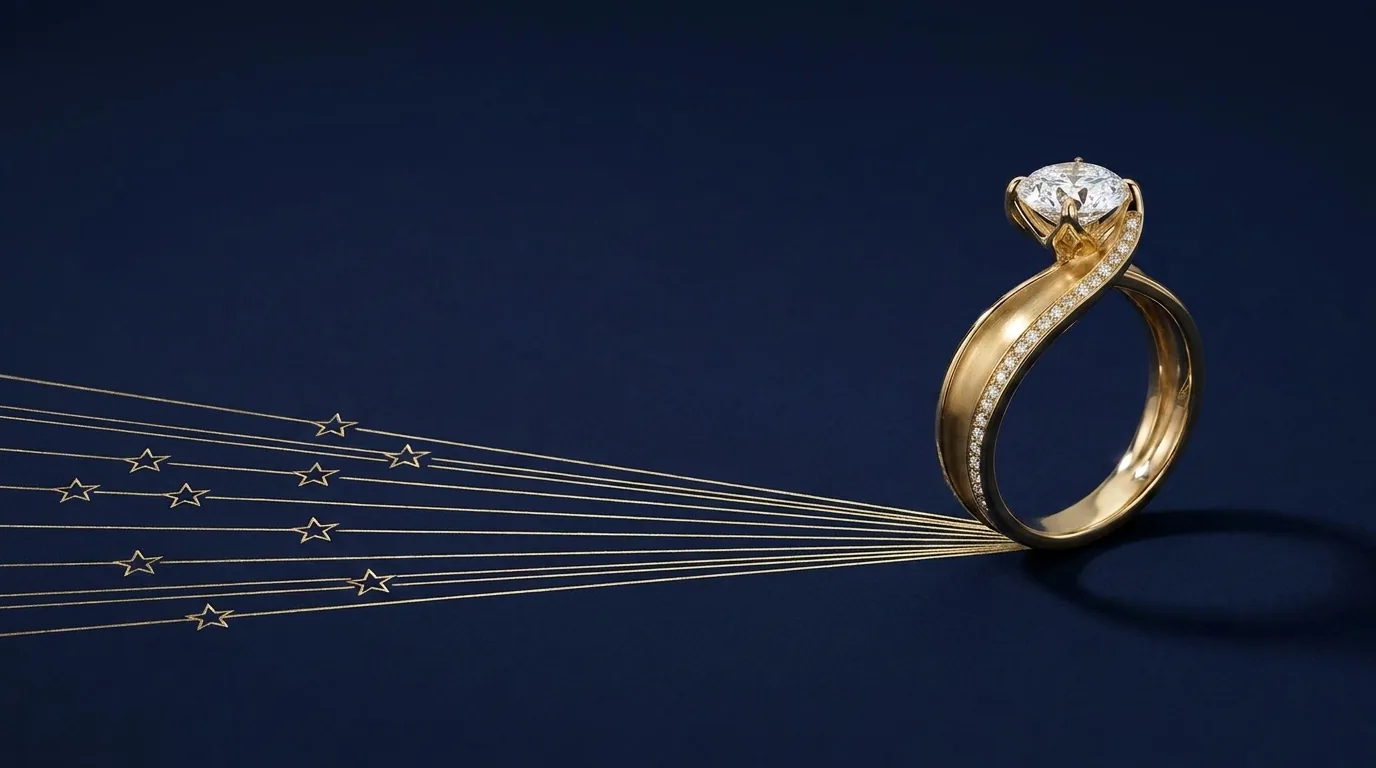
Made to order is not a delay. It is a decision about how jewellery should be made and who it should be made for.
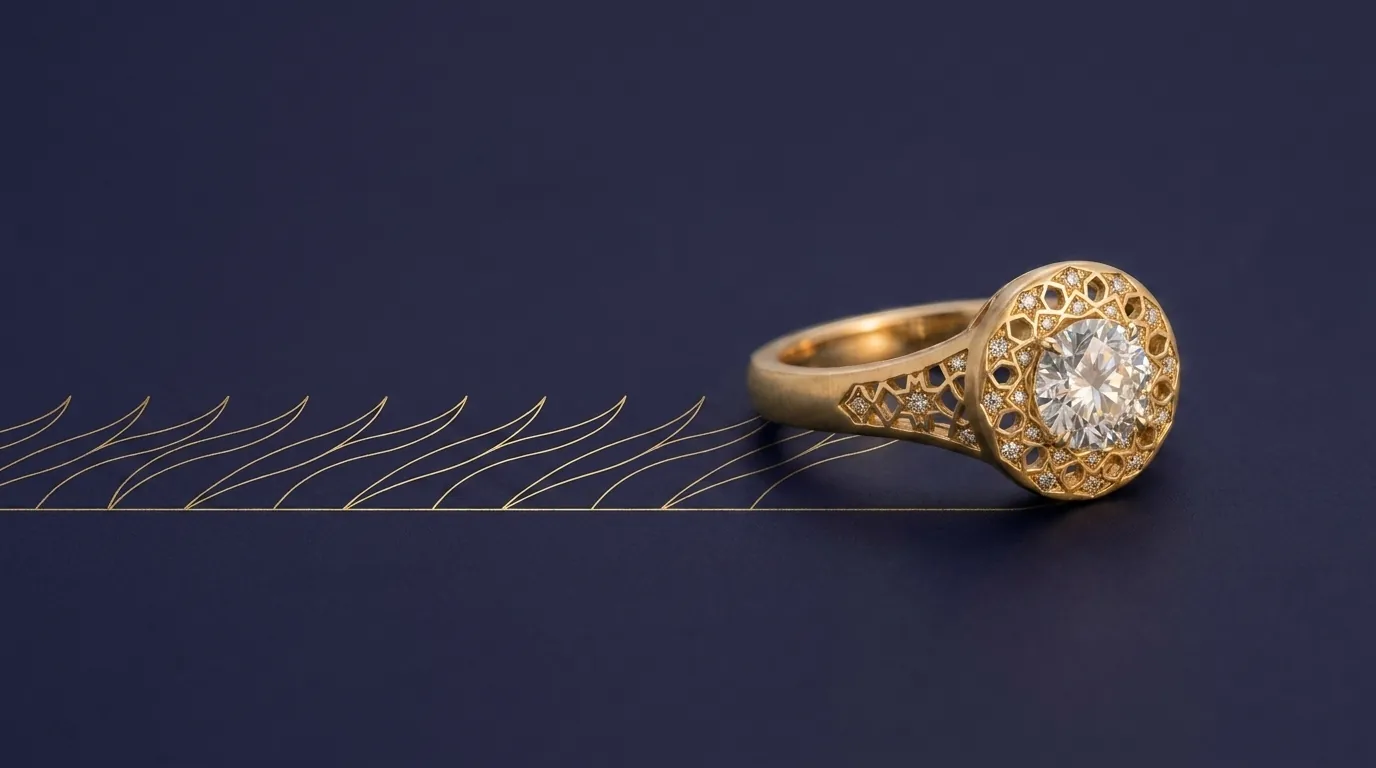
A ring designed as a three-dimensional object rather than a flat setting for a stone. It reads as a 2026 trend and it is considerably older than that.