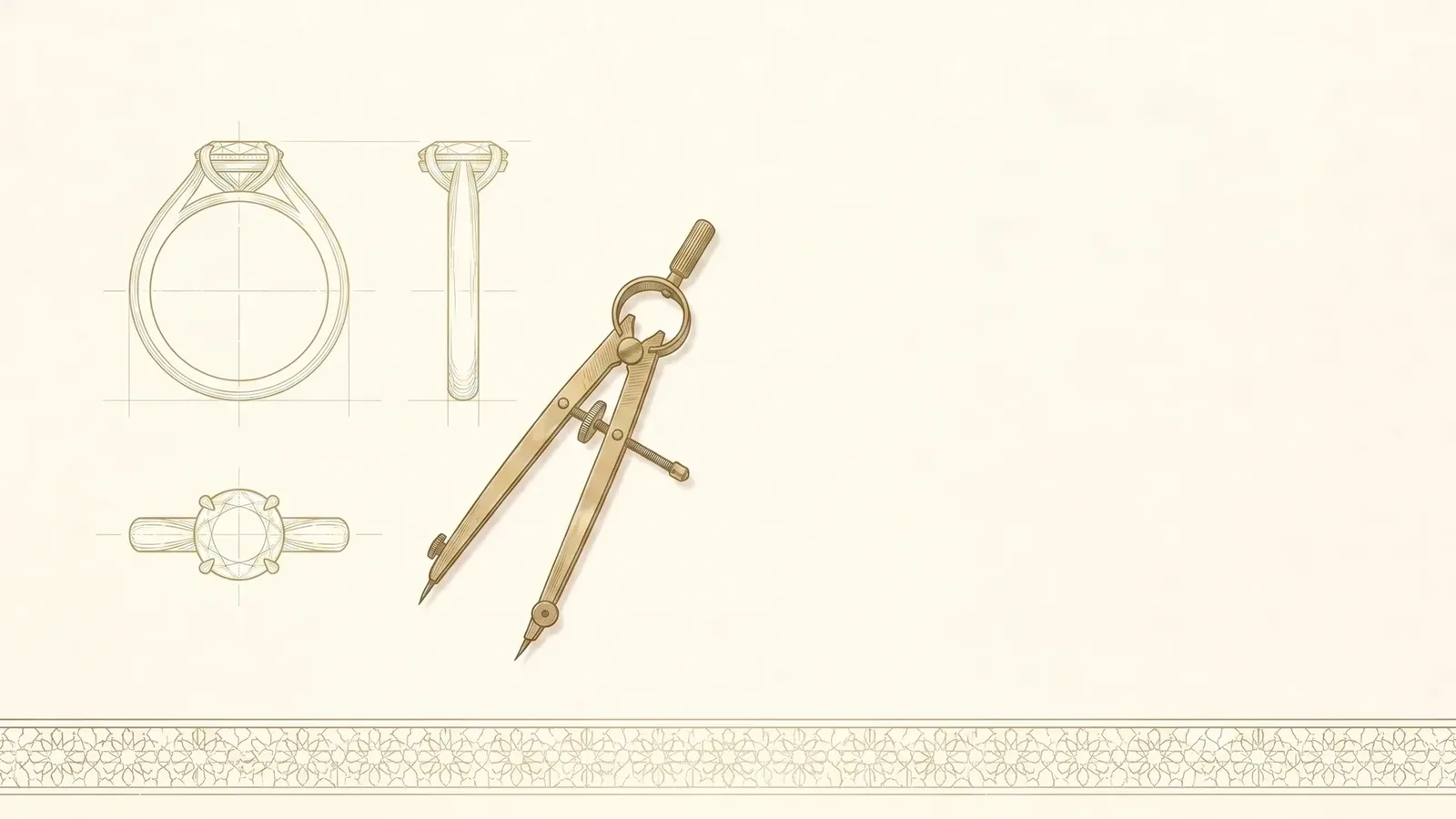
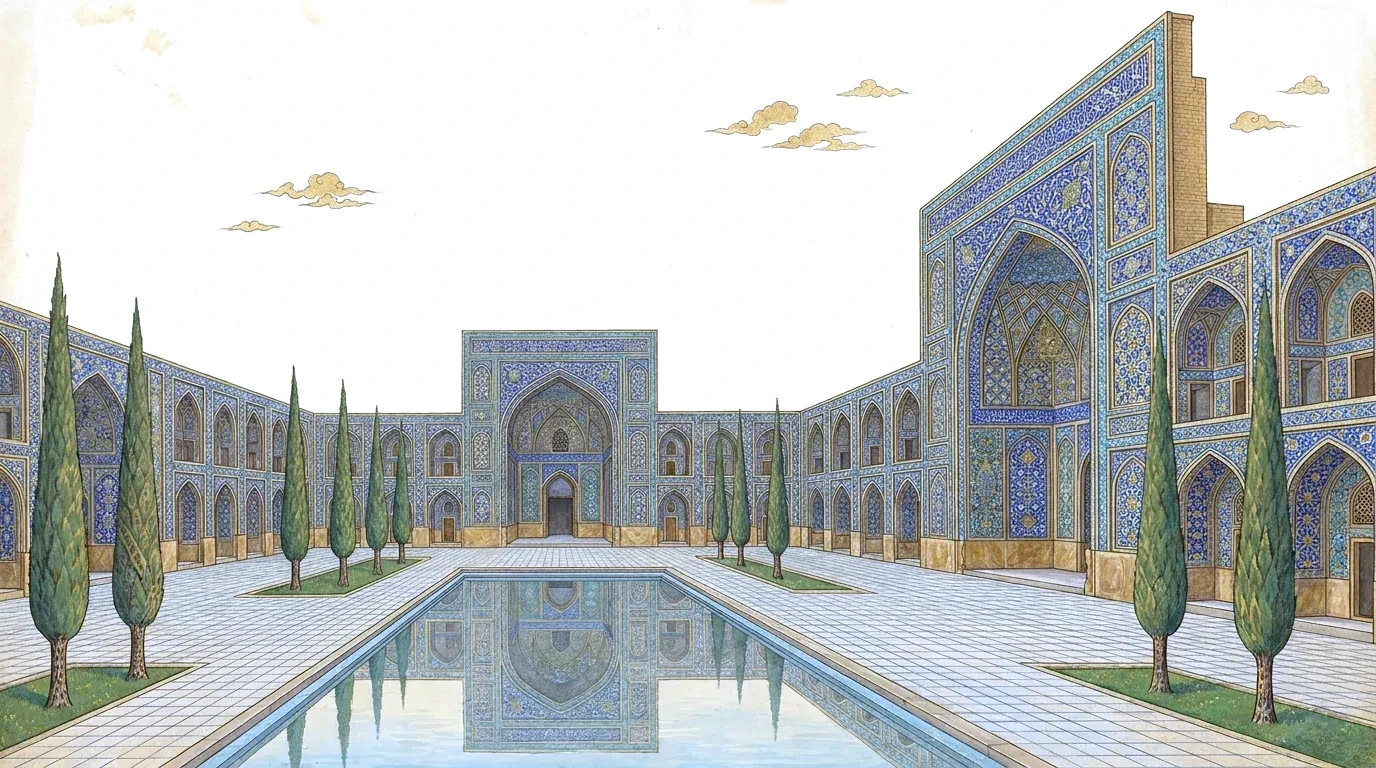
Persian or Islamic geometric pattern: what the terms actually mean
Persian and Islamic geometric pattern are not interchangeable terms. Here is the distinction, and why we use the narrower one.
Read the storySilux London
Field notes from Silux London: Persian heritage, the craft of made-to-order fine jewellery, and the stories behind the collections.
Persian and Islamic geometric pattern are not interchangeable terms. Here is the distinction, and why we use the narrower one.
Read the story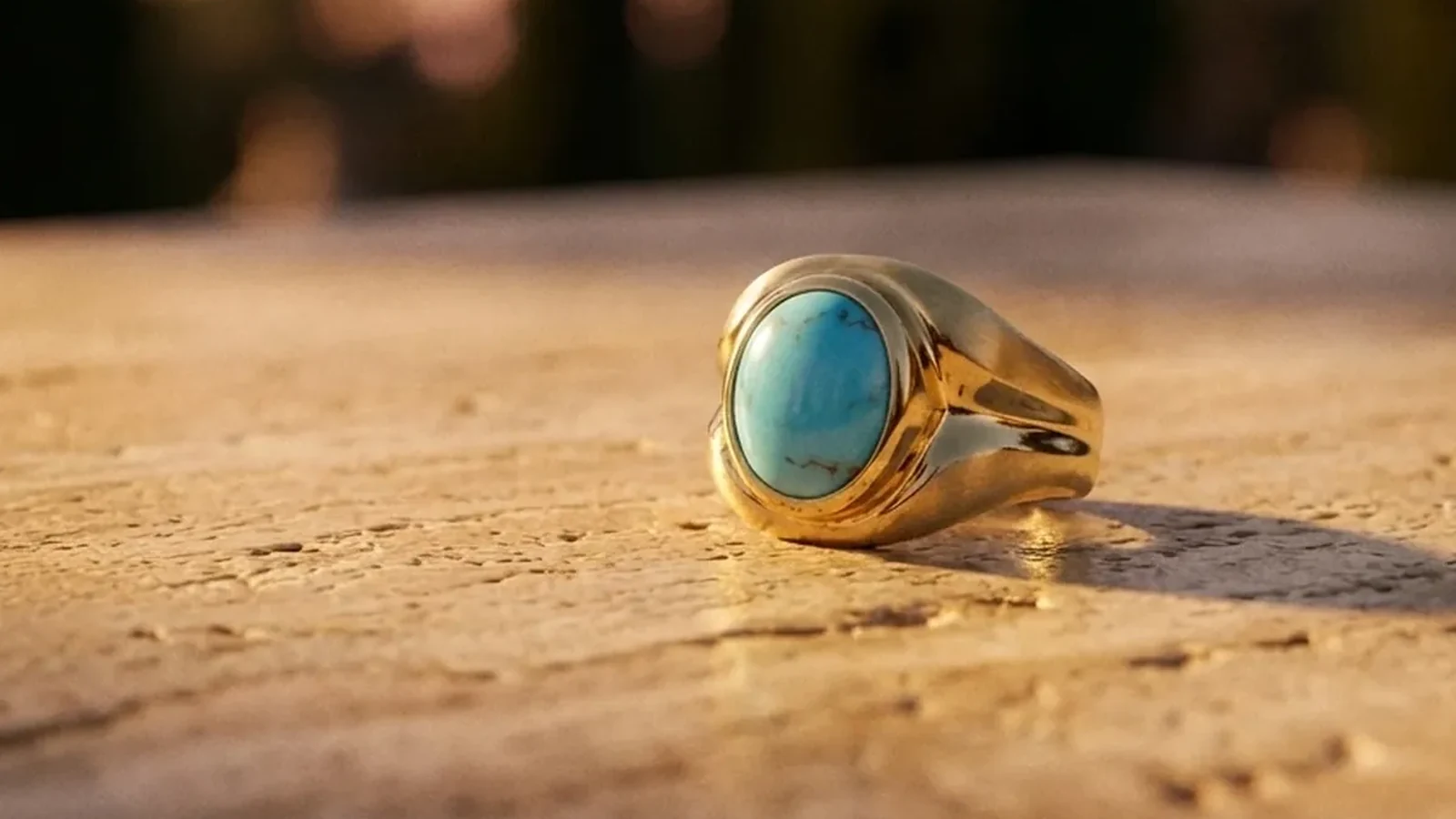
Why turquoise from north-eastern Iran carries its own name in the trade, what the matrix tells you, and what a soft stone asks of its setting.
A jeweller resizes by cutting the shank where it is plain, which explains why eternity bands, all-round pave and tension settings resist it.
Together or a surprise is really three separate decisions: who chooses the design, what she knows, and when the proposal happens.
What each engagement ring setting means for snagging, cleaning and repair years later, and why a claw can only ever be made so fine.
The month's-salary rule began as a 1930s diamond advertisement, not a tradition. Here is what should actually decide your figure instead.
The gap between approving a picture and receiving a ring, and the four questions that close it before anything is cast.
What daily wear actually does to a ring, the one habit that matters most, and what is worth knowing before wearing one for years.
You cannot simply ask, so here is how to find her ring size anyway, which methods are reliable, and what to do when it stays unknowable.
What a ring price is actually made of, and the one question that tells you more than an itemised breakdown ever could.
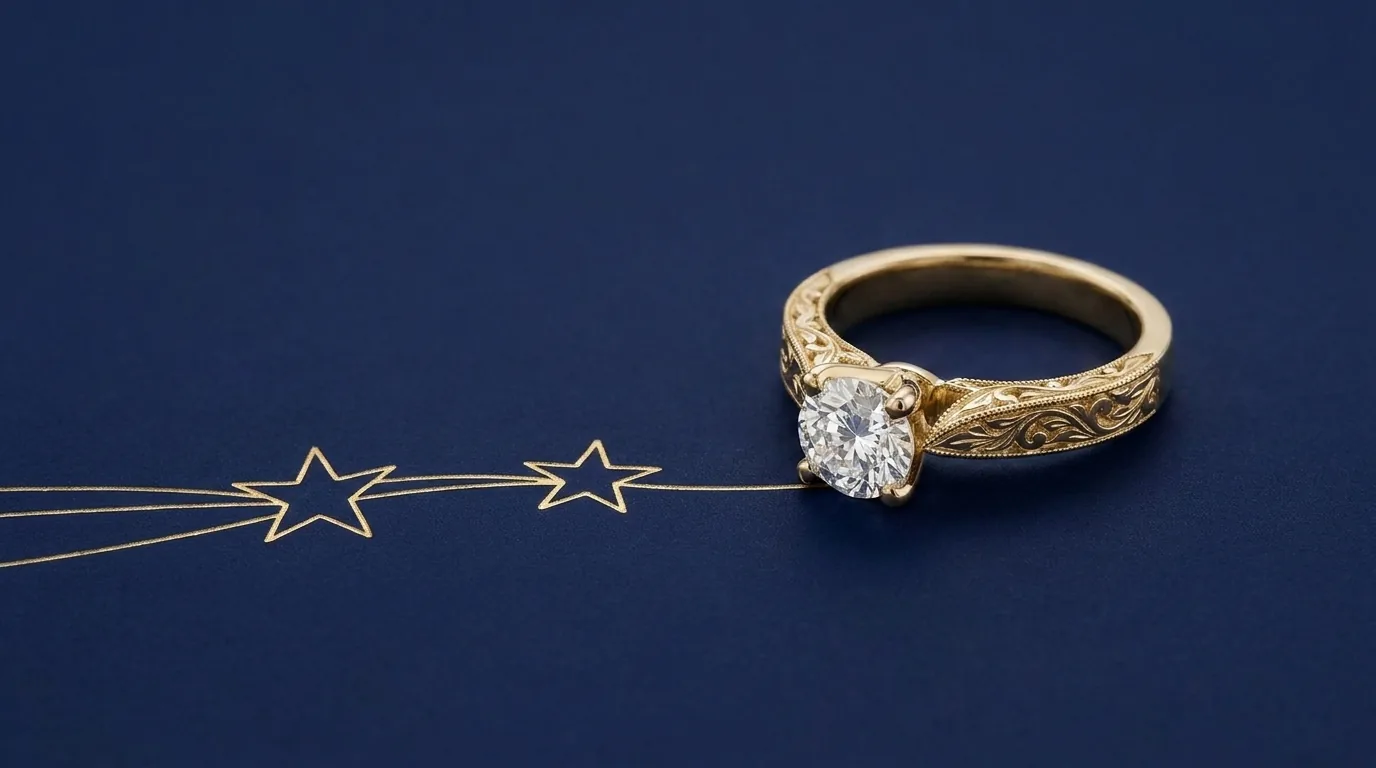
A lab-grown diamond is a diamond, not a substitute. What is identical, what actually differs, and what nobody can honestly promise you.
Purity, alloys, rhodium plating, and the durability question nobody has settled. What to actually weigh up before choosing a metal.